

.jpg)
Thinking about buying your first road bike or getting into road cycling?
Whether your goal is improving fitness, joining cycling events, climbing mountains, or simply riding faster and further, a road or racing bike can open up a completely new cycling experience.
But with so many models, brands, and technical specifications, choosing your first racing bicycle can feel overwhelming.
The good news? You don't need the most expensive carbon racing bike to get started. The right frame size, comfortable riding position, reliable components, and suitable gearing matter much more.
Here's what to look for when buying your first road bike.
1. What Can You Do With a Road or Racing Bike?
Road bicycles are designed for efficient cycling, primarily on paved surfaces. Compared with traditional city or mountain bikes, they generally feature lighter frames, narrower tyres, drop handlebars, and a more aerodynamic riding position.
A road bike is ideal for:
- Fitness and endurance training: Build stamina with regular 20–100 km rides.
- Weekend cycling adventures: Explore coastal roads, countryside routes, and mountain passes.
- Group cycling: Join local cycling clubs and enjoy longer rides with other cyclists.
- Competitive racing: Train for amateur road races, cycling challenges, or organised sportives.
- Hill climbing: Lightweight frames and suitable gearing make challenging climbs more manageable.
- Long-distance cycling: Cover greater distances efficiently while enjoying the outdoors.
Whether you're cycling through the Greek mountains or exploring scenic European roads, a road bike can turn an ordinary weekend into an adventure.
2. Road Bike vs Racing Bike vs Gravel Bike: What's the Difference?
Before buying a bicycle, consider where and how you want to ride.
Endurance Road Bikes
Designed to balance performance and comfort. They typically offer a more relaxed riding position than aggressive racing bikes, making them excellent for beginners, fitness cycling, and long-distance rides.
Performance & Racing Bikes
Built with speed, aerodynamics, and efficiency in mind. These bicycles often have more aggressive geometry, lighter components, and responsive handling. They're suitable for competitive cyclists and riders focused on performance.
Gravel Bikes
Similar to road bikes but designed to handle a wider variety of surfaces. With additional tyre clearance and often more stable geometry, gravel bikes are a versatile choice for riders who enjoy both asphalt and unpaved roads.
Our recommendation: If you're buying your first road bicycle, an endurance road bike is often the best starting point. Consider a gravel bike if you regularly encounter rough roads or gravel paths.
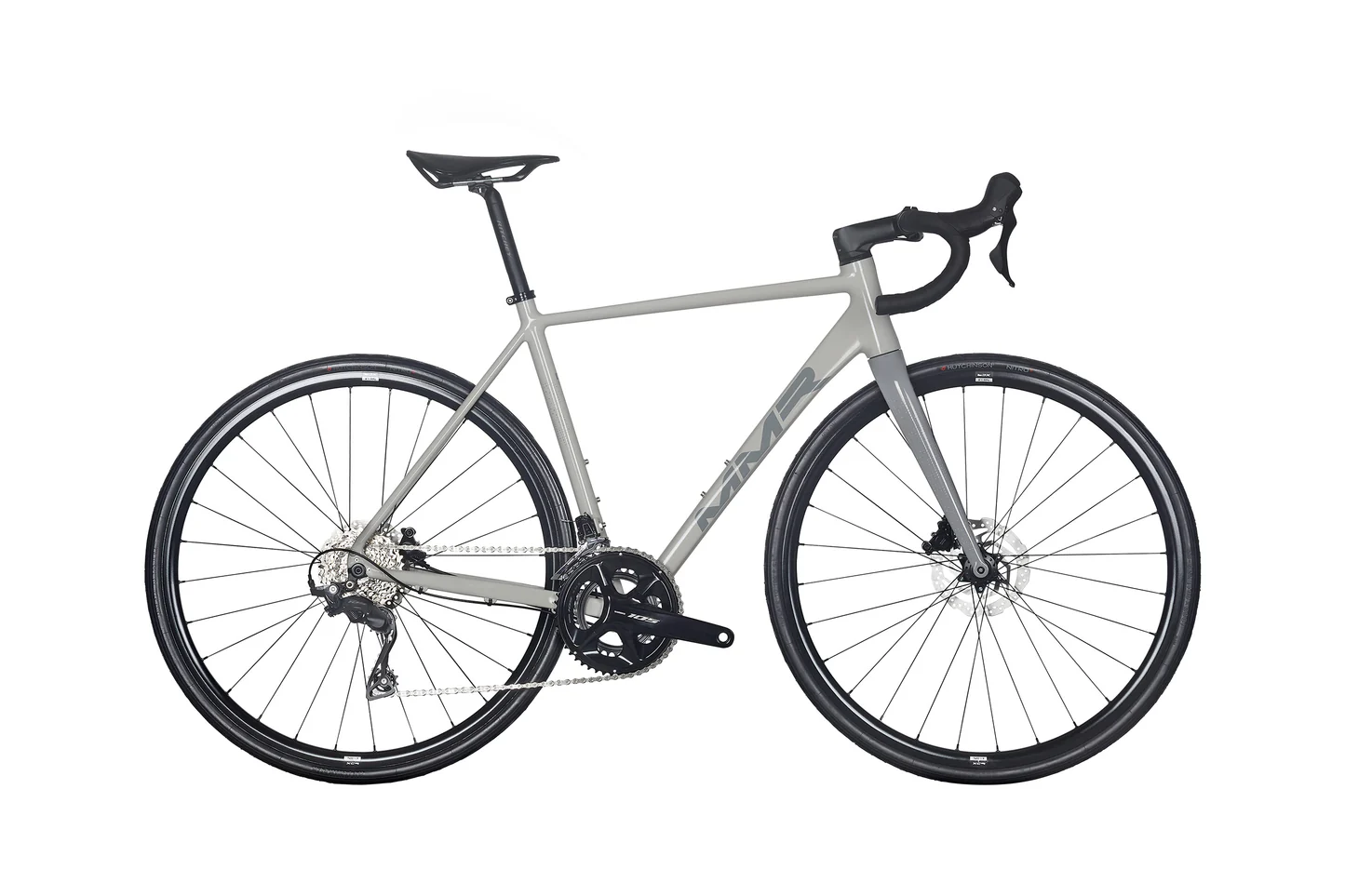
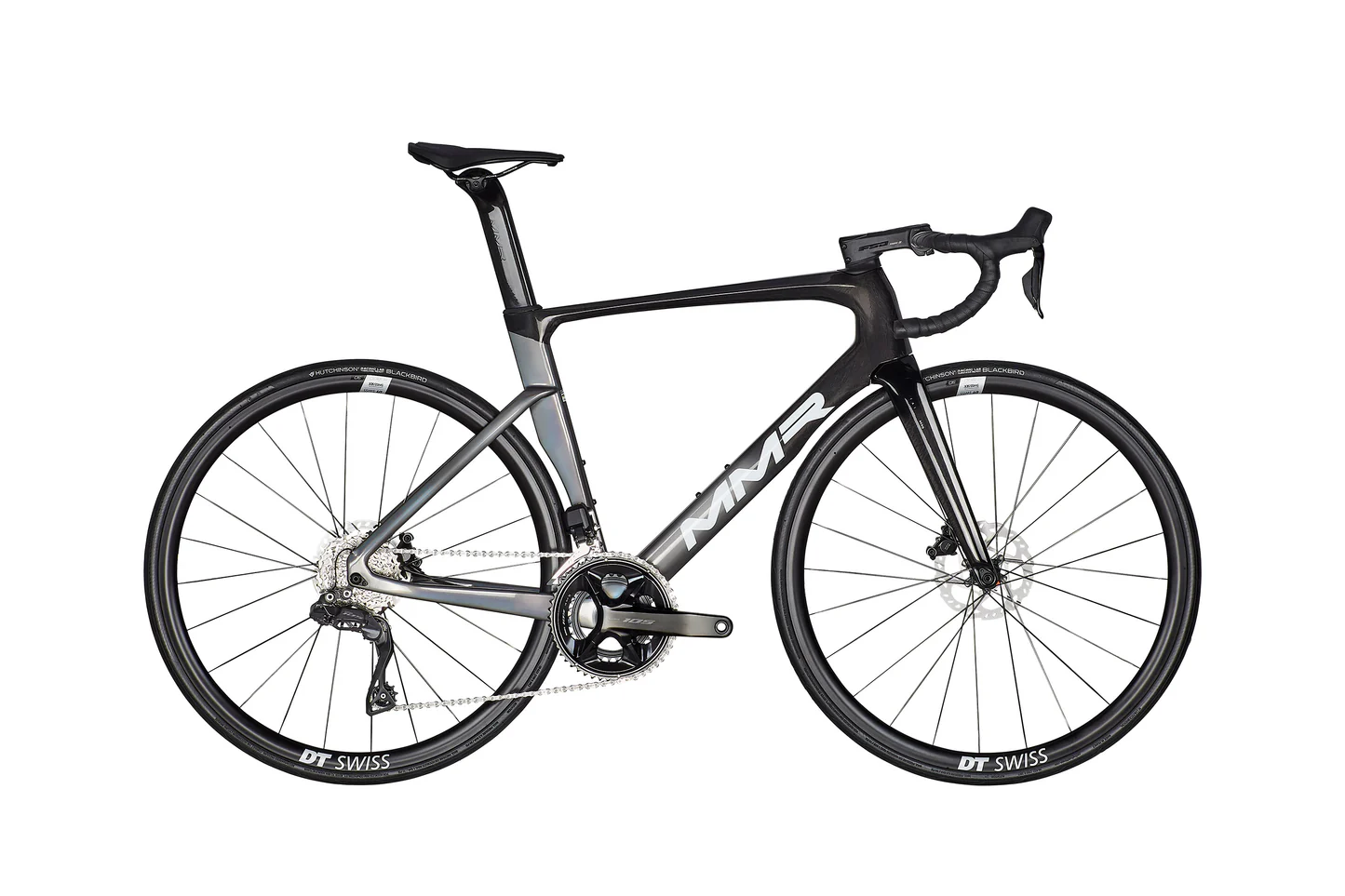
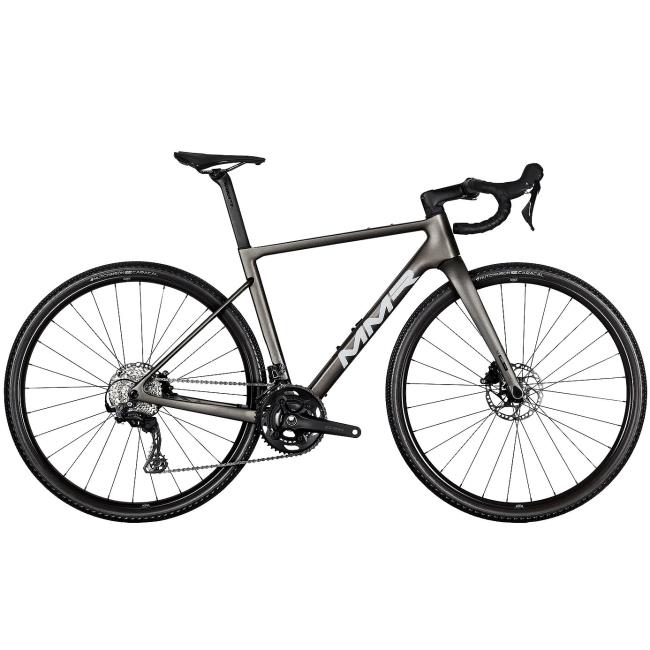
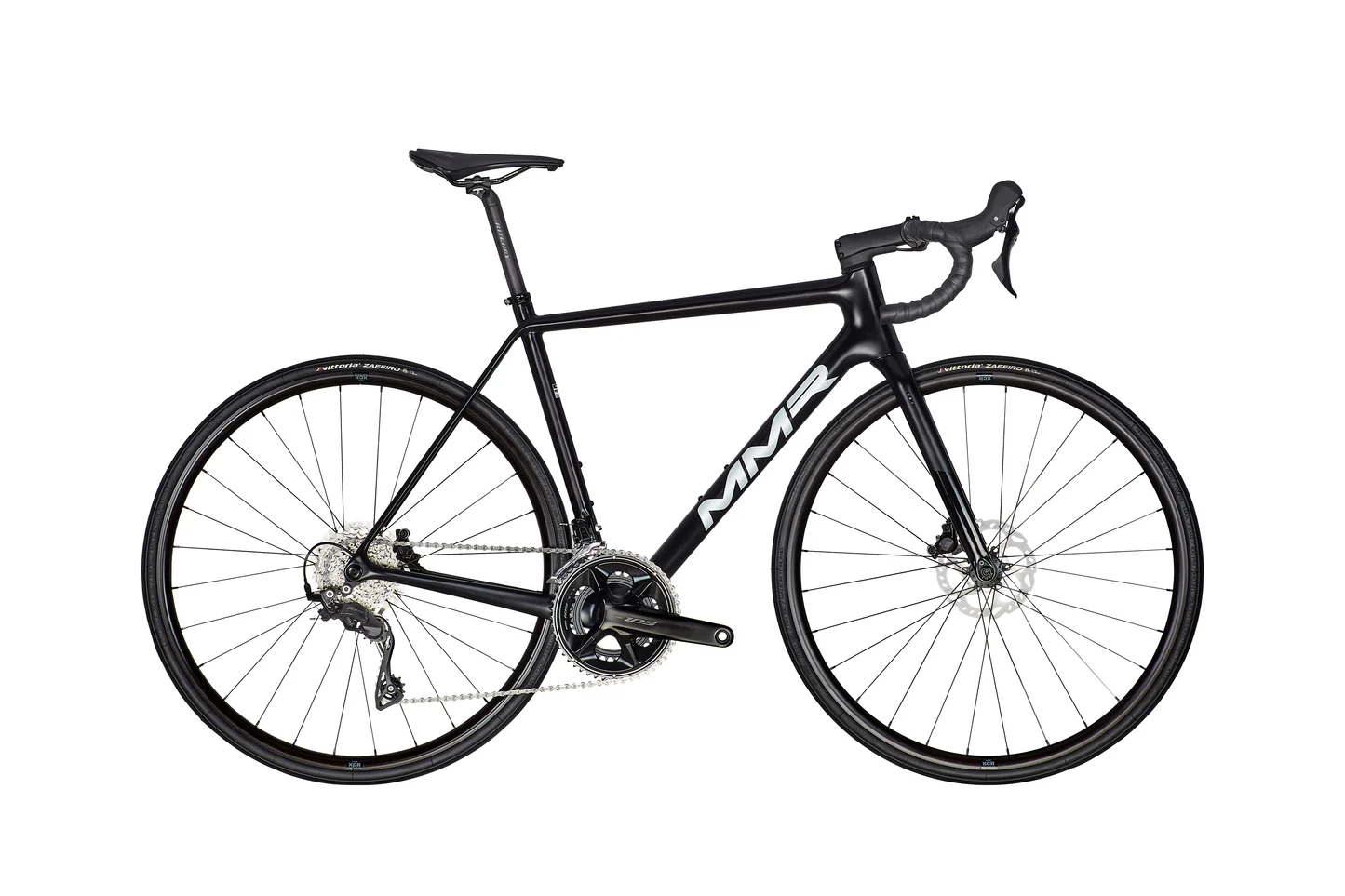
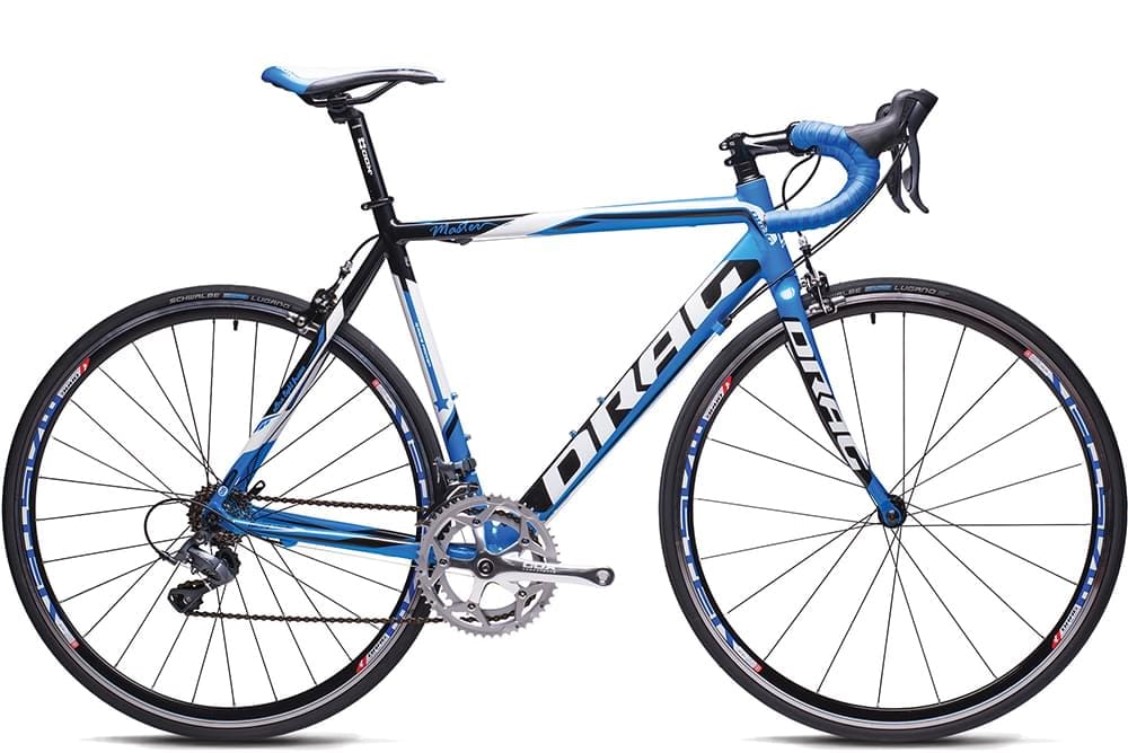
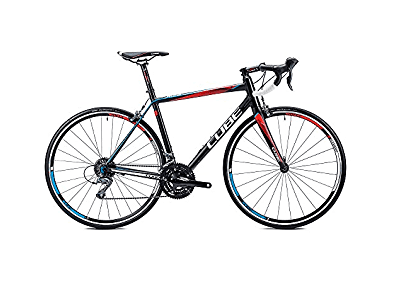
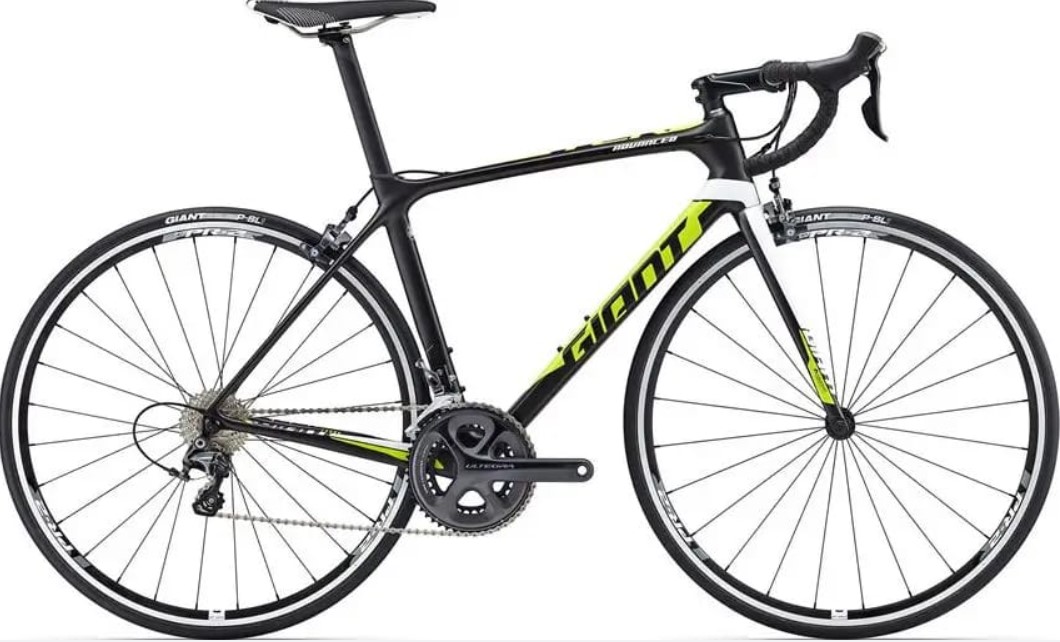
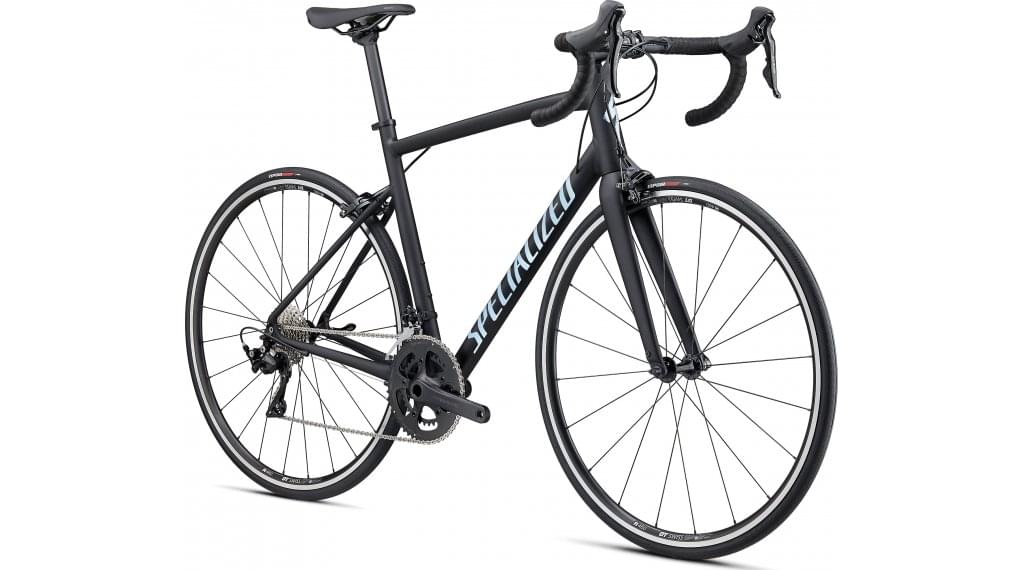
3. What Should You Look for When Buying Your First Racing Bike?
Frame Size and Riding Position
Choosing the correct frame size is arguably the most important decision.
A bicycle that's too large or too small can cause discomfort, reduce efficiency, and make longer rides unpleasant.
Check the manufacturer's sizing recommendations, including your height and inseam. Ideally, try the bike or arrange a professional fitting before purchasing.
Aluminium vs Carbon Frames
Aluminium road bikes are generally affordable, durable, and an excellent choice for beginners.
Carbon road bikes can offer lower weight, refined frame construction, and increased performance, but typically cost more.
For your first racing bicycle, a good aluminium frame with reliable components can be a better investment than an expensive carbon frame with poor fit.
Gears, Brakes and Tyres
Pay attention to three essential components:
- Gearing: Look for reliable groupsets from manufacturers such as Shimano or SRAM. Beginner-friendly gearing with easier climbing ratios is especially useful in hilly areas.
- Brakes: Disc brakes provide consistent braking performance, particularly in wet conditions. Hydraulic disc brakes generally offer excellent control, although rim brakes remain an option.
- Tyres: For many beginners, road tyres around 28–32 mm wide offer a good balance between speed, grip, and comfort, provided the frame supports them.
Remember, the lightest bicycle isn't automatically the best bicycle for you.
4. Popular Road Bike Brands Available on bFlex
Through bFlex, you can compare road bicycles from different brands and sellers, ranging from affordable beginner models to advanced racing machines.
ORIENT – An Accessible Start to Road Cycling
For riders looking for an affordable first road bike, ORIENT offers accessible models without requiring a large initial investment.
The ORIENT Intro 1.0 Road Bike, for example, features an aluminium frame, 28-inch wheels, and a 14-speed drivetrain.
A practical option to consider when entering the world of road cycling.
MMR – From Training to Performance Cycling
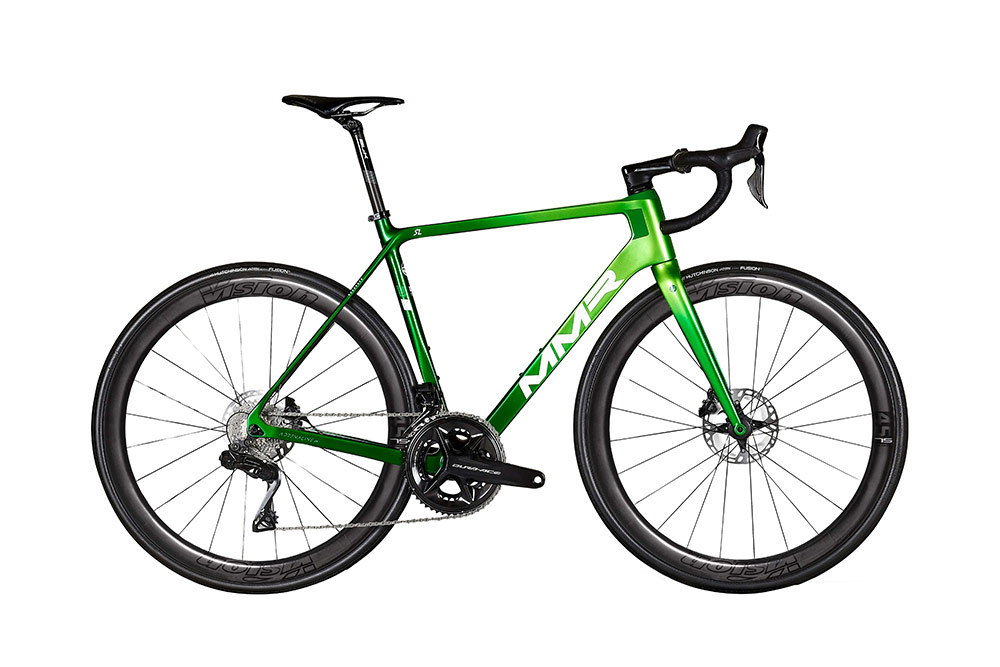
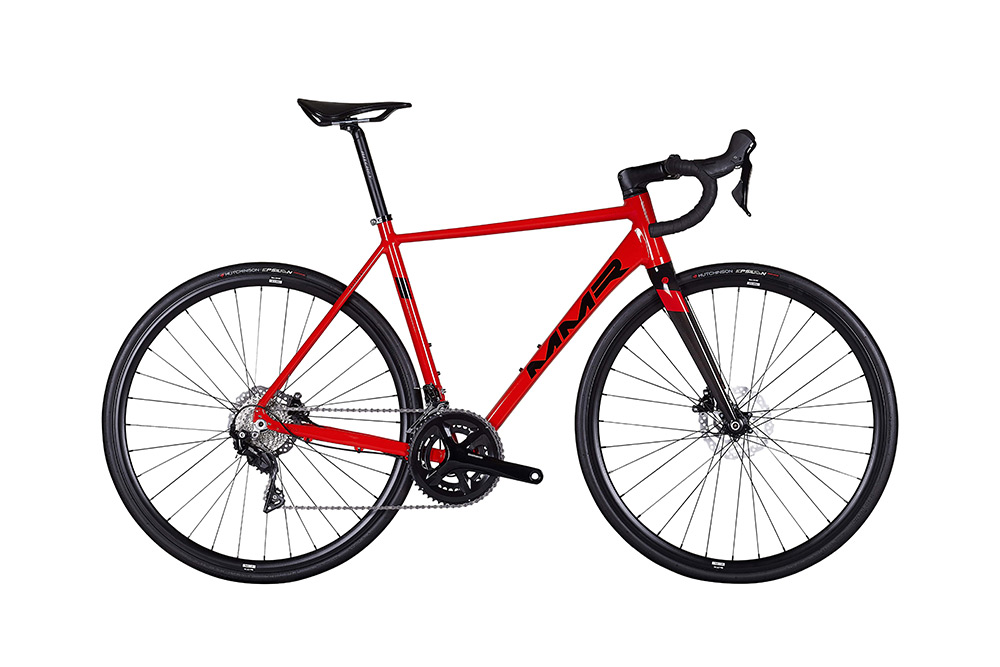
Spanish bicycle brand MMR offers road and racing models for cyclists looking to develop their performance.
The MMR Adrenaline 50 is one option for road cycling enthusiasts, while the MMR Adrenaline Aero 10 targets riders interested in aerodynamic performance.
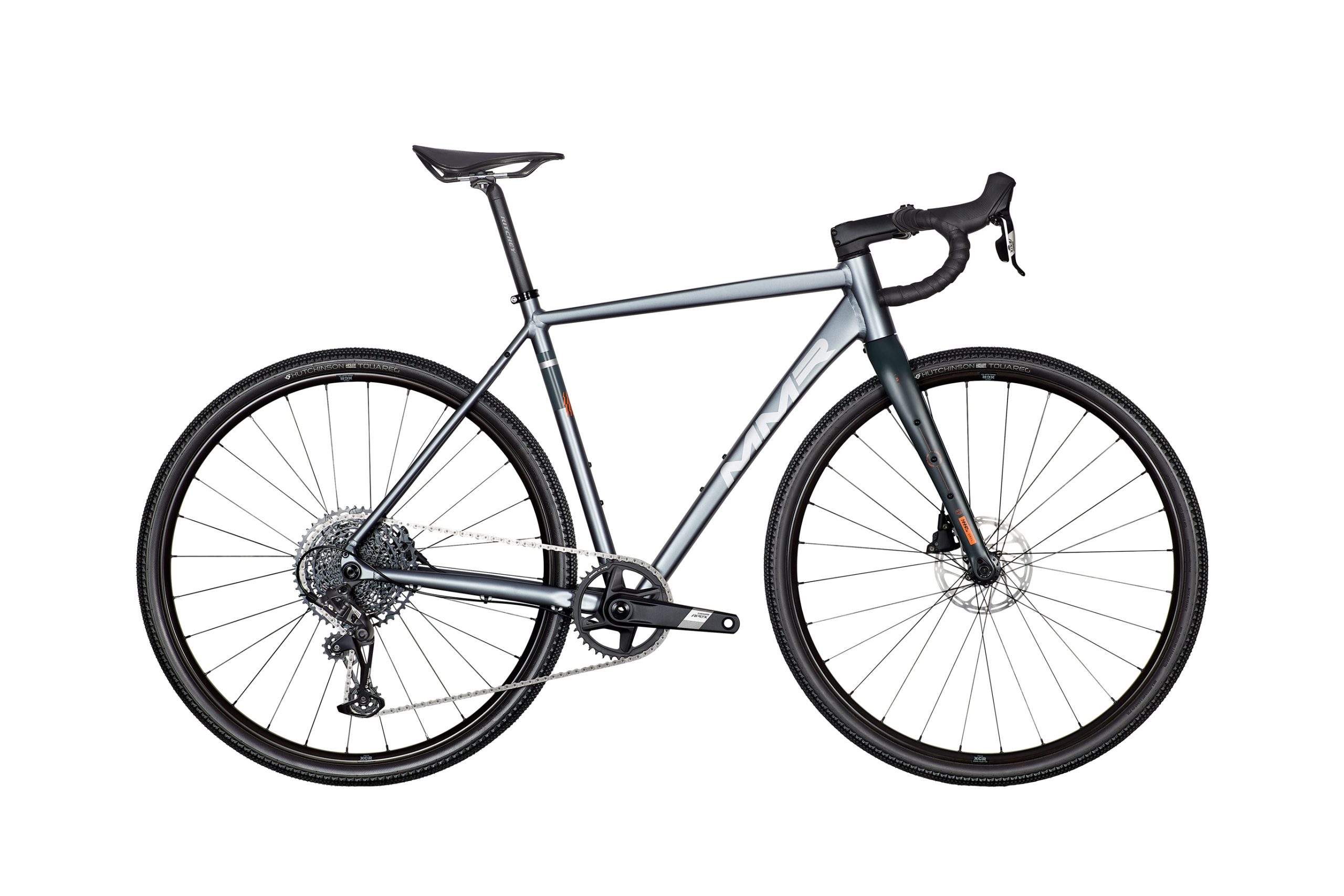
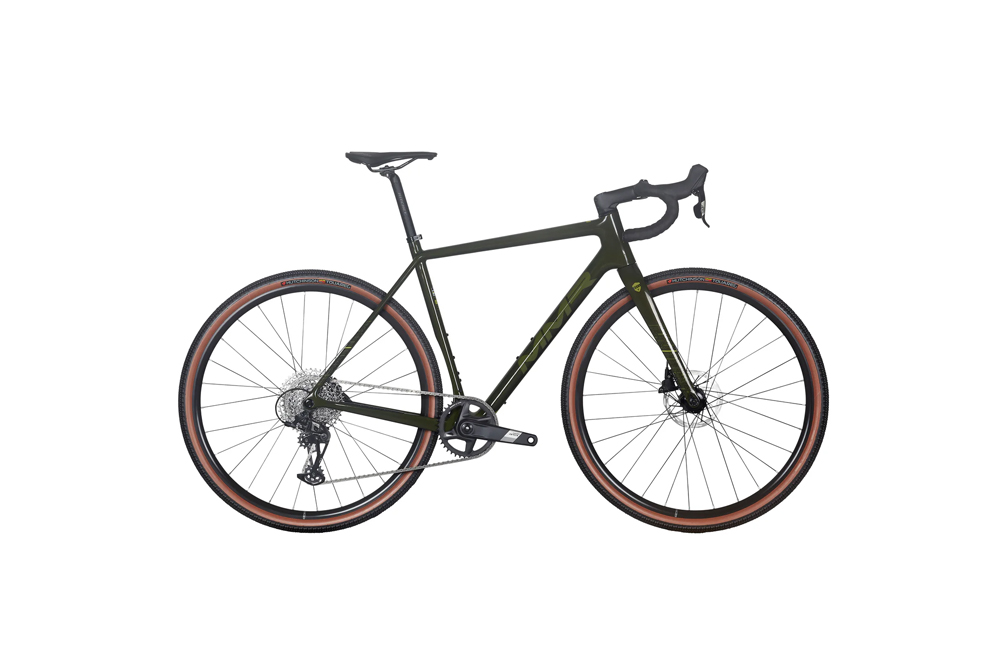
MMR also offers gravel-oriented models, giving cyclists options beyond traditional paved-road riding.
CUBE – Road Racing and Gravel Versatility
German brand CUBE offers bicycles across multiple cycling disciplines, including performance road and gravel riding.
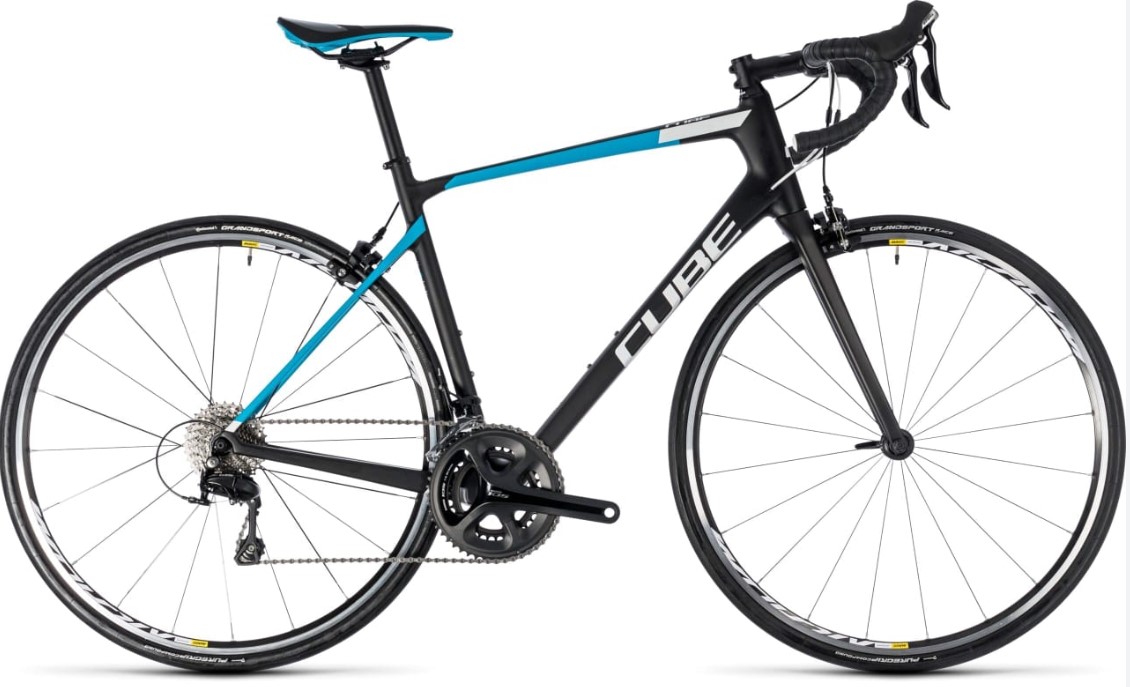
The CUBE Agree C:62 ONE is a carbon road bike for riders interested in efficient, performance-focused cycling.
Alternatively, the CUBE Nuroad C:62 ONE offers a gravel-oriented alternative for cyclists seeking greater versatility.
Lapierre – Adventure and Endurance Riding
French manufacturer Lapierre is known for its road, mountain, and gravel bicycles.
For riders who want to combine road cycling with exploration, the Lapierre Crosshill 2.0 Gravel Bike is worth exploring.
It provides an alternative to a dedicated racing bike, especially for cyclists who expect to encounter mixed surfaces.
Explore All Road & Racing Bikes on bFlex
5. Starting Road Cycling: Tips for Your First Rides
Buying your first racing bike is only the beginning. Developing your cycling skills and confidence takes practice.
Start with shorter rides of around 15–25 km and gradually increase your distance. Focus on maintaining a comfortable pedalling rhythm rather than chasing maximum speed.
Invest in a properly fitted helmet, front and rear lights, suitable cycling clothing, and a basic puncture repair kit.
As your confidence improves, join a local cycling group, explore more challenging routes, or register for your first amateur cycling event.
You don't need to race to enjoy a racing bike. The freedom to explore longer distances and improve your fitness is rewarding on its own.
Frequently Asked Questions About Road & Racing Bikes
What is the best road bike for beginners?
An endurance-focused road bike with comfortable geometry, appropriate gearing, reliable brakes, and the correct frame size is often ideal. Aluminium models can provide excellent value for first-time buyers.
How much should I spend on my first racing bike?
You can start with an affordable entry-level road bicycle and upgrade later. A larger budget can provide improved components, lighter frames, and additional performance features, but fit and reliability should remain your priorities.
Is a road bike difficult to ride?
Road bikes require some adjustment, particularly if you're unfamiliar with drop handlebars and integrated brake-shift levers. Most cyclists develop confidence quickly with regular practice.
Can I use a road bike for everyday commuting?
Yes, particularly if your commute involves paved roads. However, check tyre durability, riding comfort, and whether the bicycle supports practical accessories such as lights and mudguards.