

.jpg)
How much range do I need?
Many buyers automatically look for the biggest battery or the longest advertised range. But in practice, that is not always necessary.
The right electric bike is the one that gives you enough range for your normal rides, with some extra capacity for hills, wind, luggage and unexpected detours.
“Don’t buy the biggest battery. Buy enough range for the way you actually ride.”
In this guide, we explain how much e-bike range you may need based on your daily distance and what can reduce your real-world battery range.
What does e-bike range mean?
E-bike range is the approximate distance an electric bicycle can travel on one battery charge.
For example, a manufacturer may advertise:
- Up to 40 km
- Up to 70 km
- Up to 100 km
- 120 km or more
These figures are useful for comparison, but they should not be treated as guaranteed real-world distances.
Your actual range depends on many factors, including:
- Rider weight
- Terrain
- Motor assistance level
- Speed
- Wind
- Temperature
- Tyre pressure
- Stop-and-start traffic
- Luggage
- Battery condition
- Riding style
This means two people using the same electric bike can get very different results from one charge.
How much e-bike range do you actually need?
The easiest way to decide is to start with your normal daily distance.
Think about:
How many kilometres do I usually ride before I can charge again?
Then add a reasonable safety margin.
Under 10 km per day
If you mainly use your e-bike for short city trips, errands or commuting a few kilometres to work, you probably do not need an extremely large battery.
Typical uses include:
- Short commute
- Shopping
- City centre trips
- Visiting friends
- Train station connections
For riders doing less than 10 km per day, even a modest battery can often provide several days of normal riding between charges.
A very large battery may simply add extra weight and cost that you do not really need.
10–20 km per day
This is a very common distance for urban commuters.
For example:
- 5–10 km to work
- 5–10 km back home
- Some additional local trips
For this kind of usage, most modern electric bikes provide more than enough range.
The important thing is to choose a bike that still gives you comfortable reserve capacity.
If your total commute is 20 km, buying a bike advertised with only 25 km of maximum range would leave very little margin.
20–40 km per day
At this distance, battery size becomes more important.
This may apply if you:
- Commute across a large city
- Ride between nearby towns
- Use the bike for work
- Combine commuting with errands
- Ride frequently during the day
If you regularly ride 30 or 40 km, it is better to choose an electric bike with significantly more theoretical range than your exact daily distance.
This gives you extra capacity for:
- Hills
- Strong wind
- Higher assistance levels
- Battery ageing
- Colder weather
40–60 km per day
Once your daily distance reaches 40–60 km, range should become one of your main buying criteria.
You may want to look for:
- Larger battery capacity
- Efficient motor systems
- Removable battery
- Fast or convenient charging
- Dual-battery compatibility
If you cannot charge during the day, make sure the bike has enough reserve to comfortably complete the full journey.
60+ km per day
If you regularly ride more than 60 km per day, you should specifically look for long-range electric bikes.
This may apply to:
- Long-distance commuters
- Delivery riders
- Touring riders
- Commercial users
- Riders travelling between towns
At this level, battery capacity and charging strategy become much more important.
Some riders may benefit from:
- Large-capacity batteries
- Dual batteries
- A spare battery
- Charging at work
- Lower assistance levels during easy sections
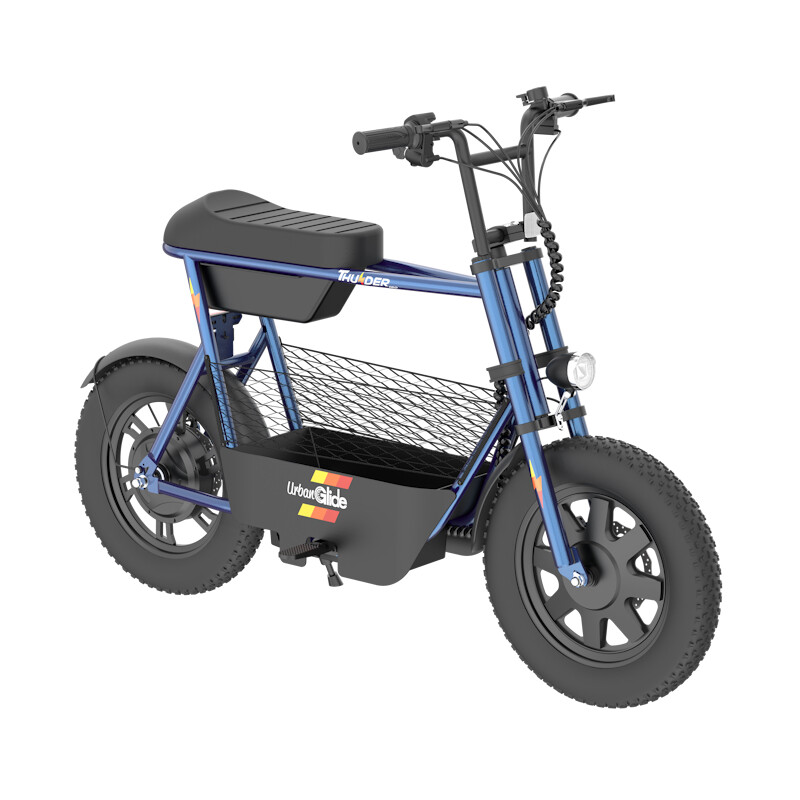
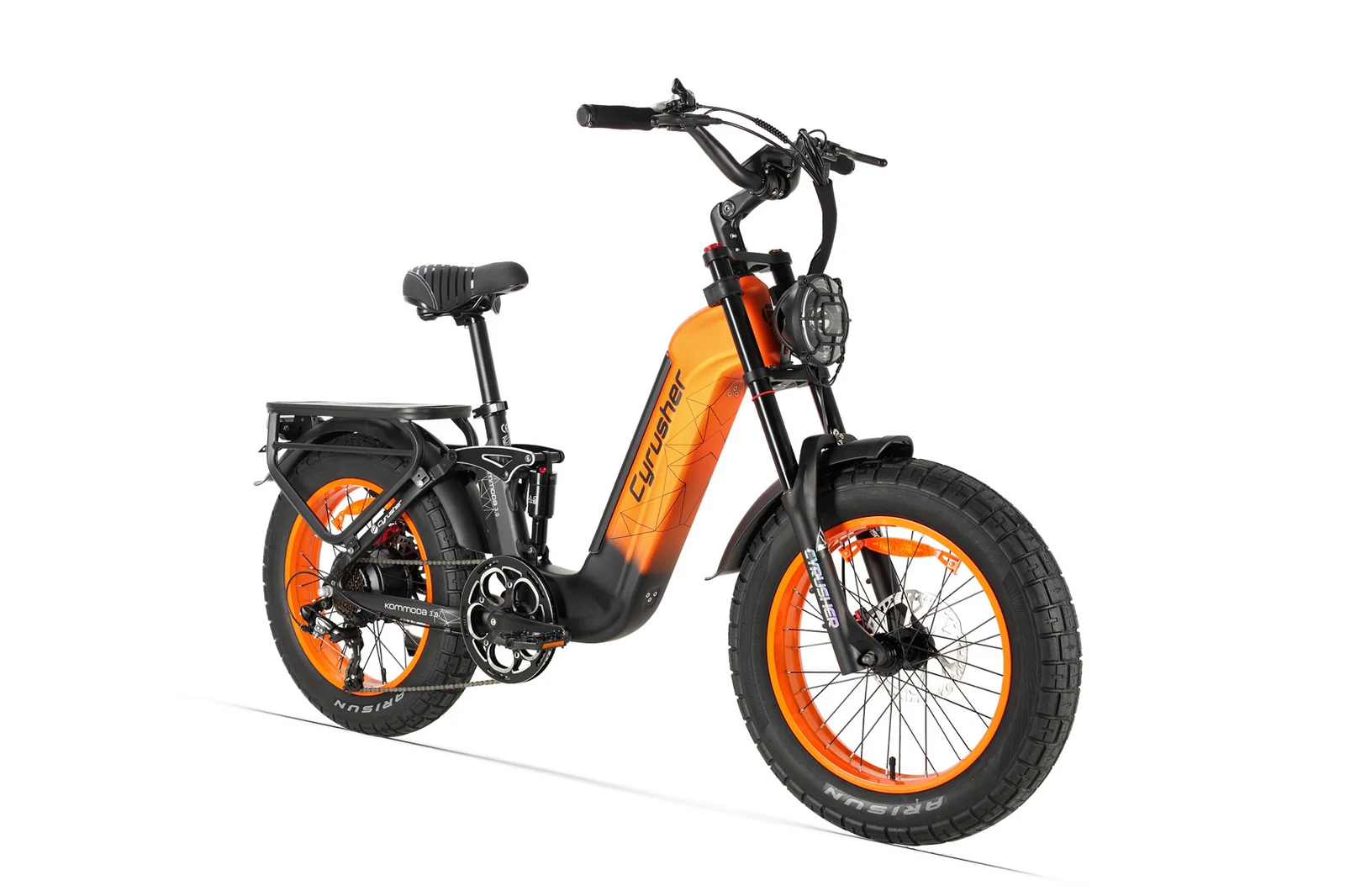
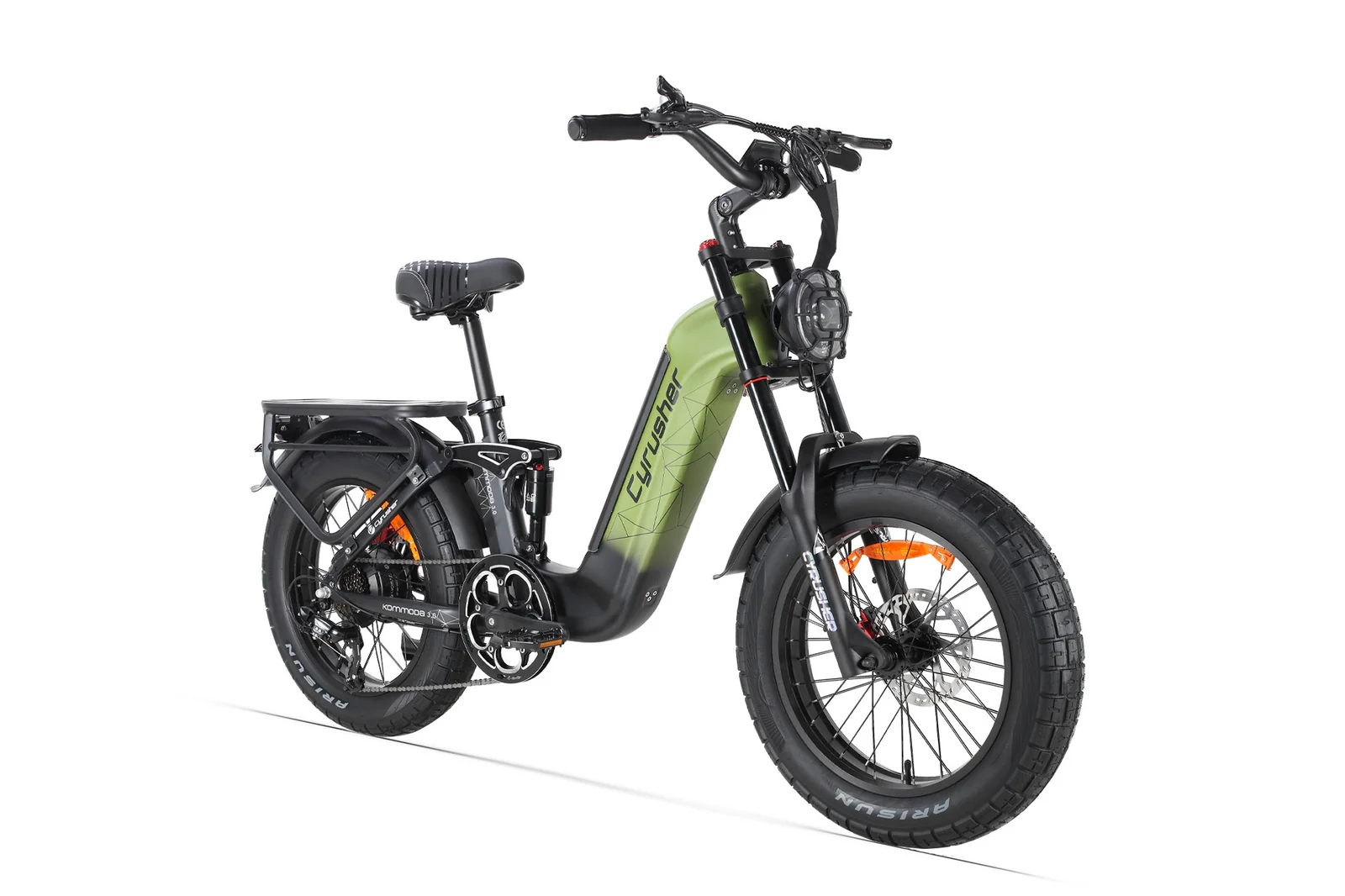
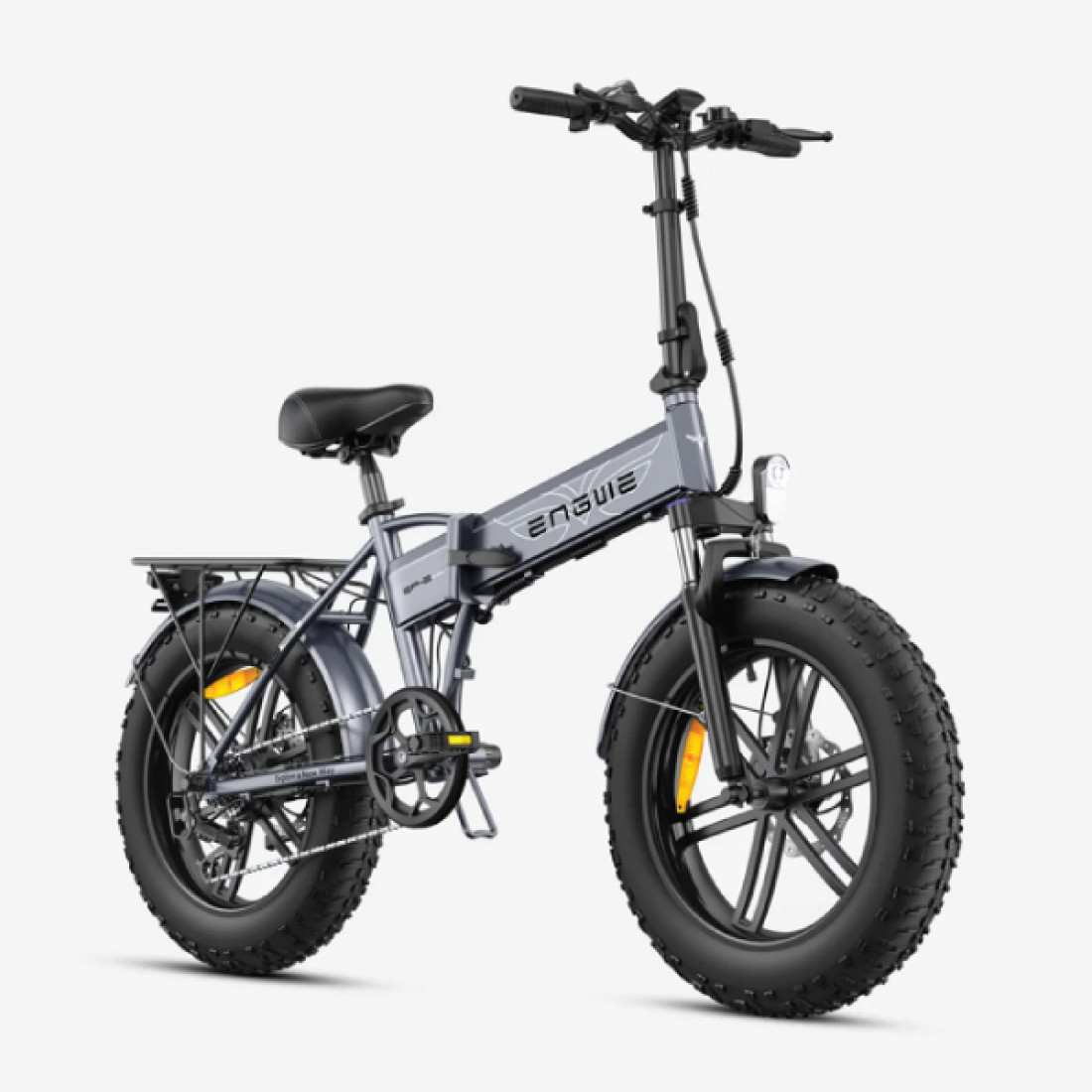
Electric Bikes
How much range should you leave as a safety margin?
It is usually better not to choose an electric bike based on your exact daily distance.
For example, if you regularly ride 30 km per day, a bike with a theoretical maximum range of exactly 30 km would be a poor choice.
A useful rule is to leave extra capacity for real-world conditions.
The more demanding your route, the larger your safety margin should be.
This matters especially if you ride:
- In hilly areas
- With heavy luggage
- At high assistance levels
- In strong wind
- During winter
Why advertised e-bike range can be different from real-world range
Manufacturers usually calculate range under specific test conditions.
These conditions may include:
- Moderate assistance
- Flat terrain
- Light rider
- Correct tyre pressure
- Mild weather
- Constant speed
Real-life riding is rarely that controlled.
For this reason, the advertised maximum range should be seen as a comparison figure rather than a guarantee.
Does rider weight affect e-bike range?
Yes.
A heavier total load requires more energy, particularly when accelerating or climbing hills.
Total load can include:
- Rider
- Backpack
- Shopping
- Child seat
- Cargo
- Accessories
If you are a heavier rider or regularly carry cargo, choosing a little more battery capacity can be worthwhile.
Do hills reduce e-bike range?
Yes, often significantly.
Climbing requires more energy than riding on flat ground.
If your daily route includes many hills, your real-world range may be noticeably lower than the manufacturer's maximum estimate.
For hilly areas, also look at:
- Motor torque
- Gearing
- Bike weight
- Battery size
Does speed affect battery range?
Yes.
Higher speeds generally require more energy.
Using the highest assistance mode continuously can reduce battery range considerably compared with using lower assistance levels.
If you want maximum range, use higher assistance mainly when you need it, such as:
- Starting
- Climbing
- Riding into strong wind
Does cold weather affect e-bike range?
Yes.
Lithium-ion batteries generally perform less efficiently in cold temperatures.
During winter, you may notice lower range compared with summer.
This does not necessarily mean the battery is damaged.
It is normal for battery performance to vary with temperature.
500Wh vs 750Wh battery: which do you need?
Battery capacity is commonly expressed in watt-hours, or Wh.
As a general principle:
A larger Wh figure means more stored energy.
For example, a 750Wh battery stores more energy than a 500Wh battery.
However, that does not automatically mean the 750Wh bike will always travel exactly 50% further.
Range also depends on:
- Motor efficiency
- Bike weight
- Tyres
- Riding position
- Terrain
- Assistance level
Still, Wh is one of the most useful specifications when comparing battery capacity between different electric bikes.
Is a bigger battery always better?
No.
A larger battery usually means:
- More range
- More weight
- Higher cost
- Longer charging time
If your commute is only 8 km per day, you may not benefit much from carrying a very large battery.
The better approach is to choose enough battery for your normal use, plus a comfortable reserve.
What battery size do I need for a 20 km commute?
For a 20 km daily commute, many modern electric bikes will provide more than enough range.
The main question is whether you:
- Charge every day
- Ride on hills
- Use maximum assistance
- Carry extra weight
- Need to make additional trips
If the answer to several of these is yes, choosing more range gives you extra flexibility.
What battery size do I need for a 40 km commute?
At 40 km per day, you should pay more attention to battery capacity.
You probably want enough theoretical range to complete the trip with a comfortable reserve.
If charging is available at work, your options become much wider.
If you cannot charge during the day, choose a bike that can comfortably handle the entire journey under real-world conditions.
FAQ
Is 50 km of e-bike range enough?
For many riders, yes.
If you travel less than 20–30 km per day, a 50 km theoretical range can often be sufficient.
However, real-world conditions can reduce range, so always leave some reserve.
How far can an electric bike go on one charge?
Depending on the bike, battery and riding conditions, electric bikes may travel anywhere from a few dozen kilometres to well over 100 km per charge.
Always compare the manufacturer specifications and consider your own riding conditions.
Does an e-bike use more battery uphill?
Yes.
Climbing hills requires more motor assistance and therefore more energy.
Is a 500Wh battery enough?
For many everyday riders, yes.
Whether it is enough depends mainly on your daily distance, terrain and assistance level.
What is the best e-bike for a 60 km daily commute?
For 60 km per day, prioritize battery capacity, efficient motor performance and the ability to charge conveniently. A large or dual-battery system may be useful depending on your route.