
.jpg)
A bicycle light isn't simply something you switch on when it gets dark.
The right lights make it easier for drivers, cyclists and pedestrians to notice you earlier — while a sufficiently powerful front light also helps you spot potholes, corners and obstacles before you reach them.
But bigger isn't always better.
A cyclist riding through a well-lit city needs something very different from someone cycling along an unlit road at night.
So how much light do you actually need?
First Question: Do You Need to Be Seen or See the Road?
This is the easiest way to choose a bike or scooter light.
There are essentially two jobs a light can perform:
Be seen:
A compact light makes your bicycle or scooter more noticeable to other road users.
See:
A stronger front light actually illuminates the road in front of you.
If you commute through brightly lit streets, your priority may mainly be visibility.
If you regularly ride through darker streets, countryside or poorly illuminated cycle paths, you need enough power to see what is coming.
Riding Around the City? Small Lights Can Make a Big Difference
In cities such as Athens, Thessaloniki, Milan or Amsterdam, many streets are already illuminated.
That means you don't necessarily need an enormous headlight.
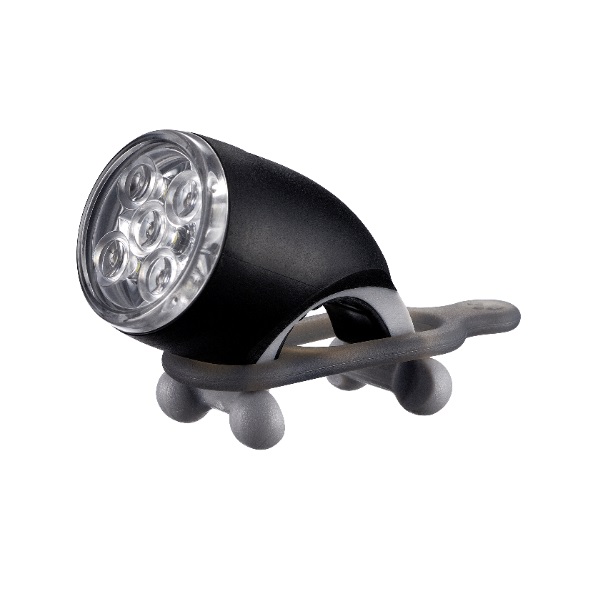
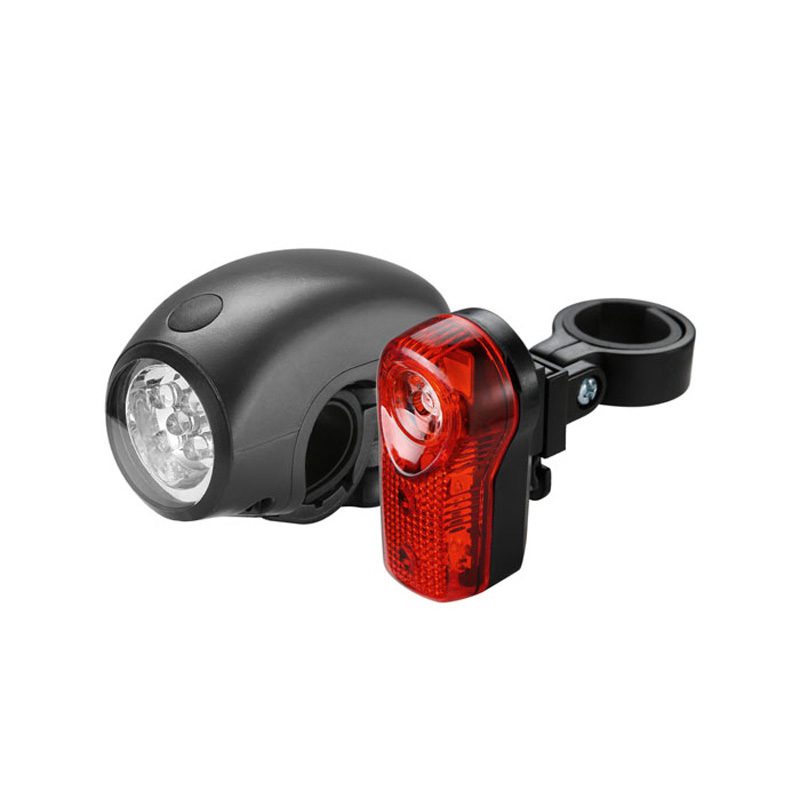
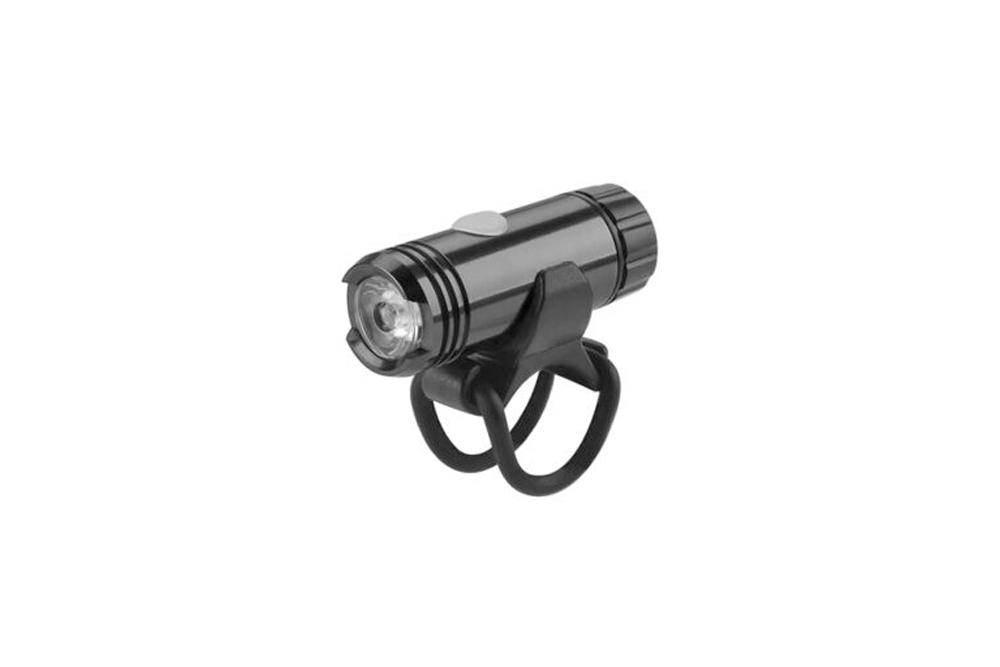
A small front LED combined with a clearly visible rear light can make you much easier to notice without adding much weight to your bicycle.
Compact lights are particularly useful for:
- Daily commuting
- Short evening trips
- Riding through well-lit streets
- Keeping a backup light in your bag
- Adding extra visibility to an electric scooter
- Daytime riding in poor weather
They are also easy to remove when you park your bike.
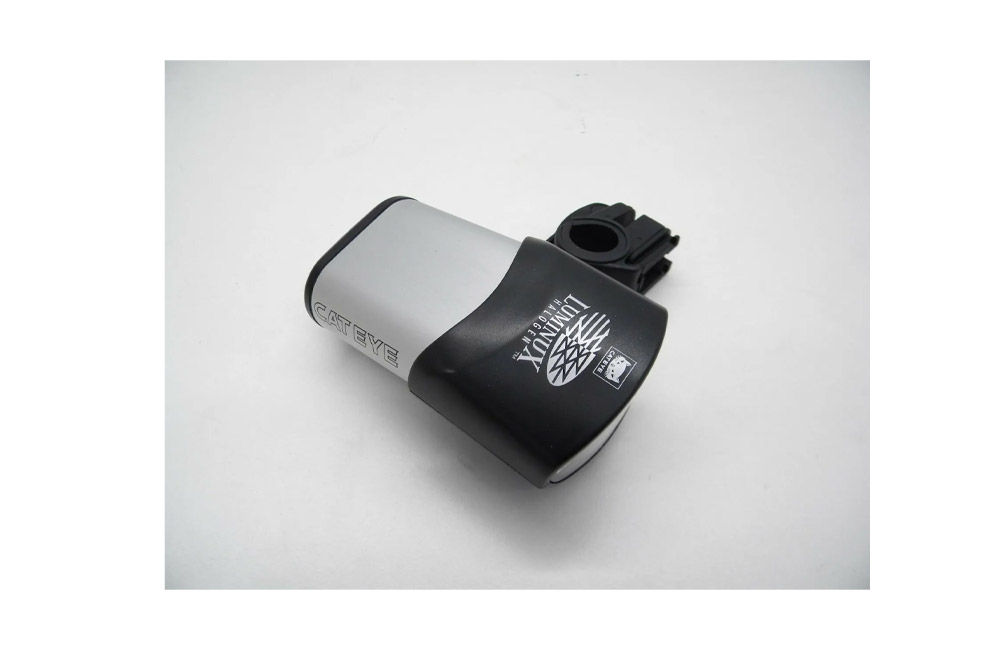
The bFlex collection includes compact LED lights and small front-and-rear sets for riders who mainly want additional visibility.
Riding Somewhere Dark? Look at Lumens
When the road itself needs illuminating, brightness becomes much more important.
Bike-light brightness is commonly expressed in lumens.
A simple way to think about it:
Around 50–100 lumens
Primarily useful for visibility.
These small lights work well on illuminated urban roads where your main concern is making sure others notice you.
Around 200–400 lumens
A useful step up for everyday commuting.
At this level, a front light starts doing more than making you visible. It can illuminate the road immediately ahead of you and help identify potholes, road markings and obstacles.
For example, the current bFlex range includes a 300-lumen rechargeable FORCE front light.
600–1,200+ lumens
These lights make more sense when you actually depend on your bicycle light to see.
Think:
- Dark country roads
- Unlit cycling routes
- Trails
- Early-morning rides
- Longer night rides
- Areas with limited street lighting
A powerful light can transform night riding, but aim it properly. A very bright front light pointing directly into oncoming traffic can create glare instead of making the road safer.
Rear Lights Have a Completely Different Job
Your rear light doesn't need to illuminate anything.
Its job is simply to make you visible from behind.
That is why even a physically small rear LED can be extremely useful.
A strong rear light is particularly important when sharing roads with cars because approaching drivers need to identify you early enough to adjust their speed and position.
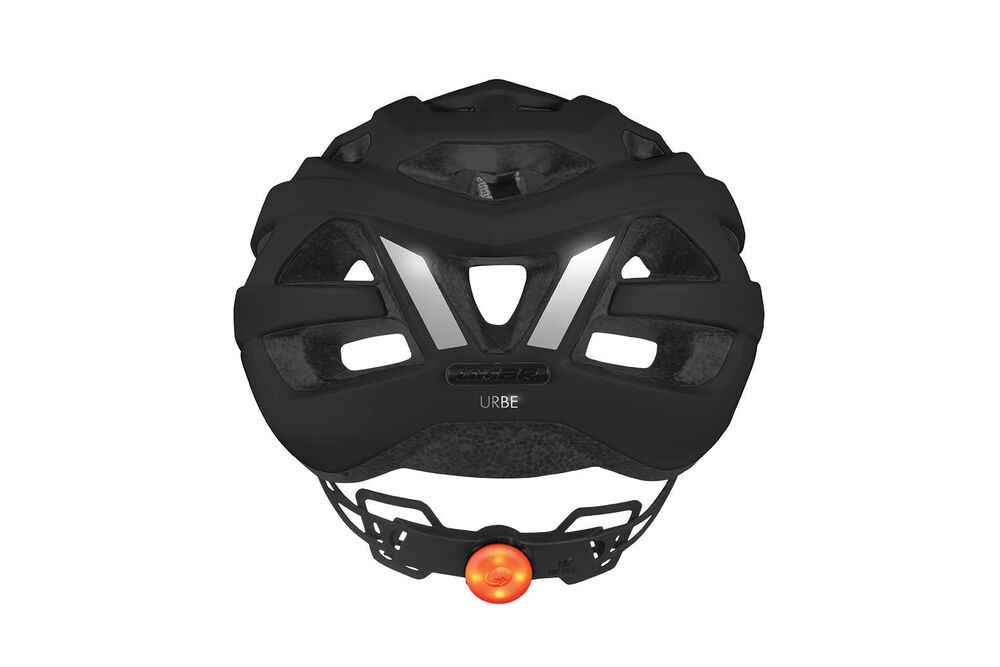
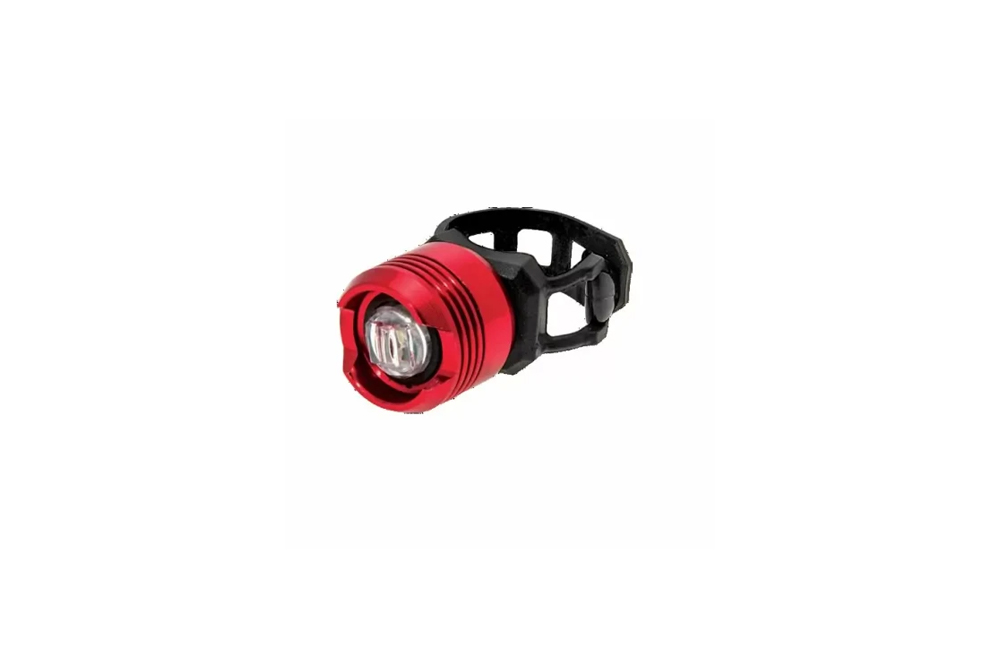
The bFlex selection includes compact USB rechargeable rear lights, including models with multiple steady and flashing modes.
For most riders, the basic setup remains simple:
White at the front. Red at the rear.
Why USB Rechargeable Lights Are So Convenient
One of the biggest improvements in modern bicycle lights isn't brightness.
It's charging.
USB rechargeable lights eliminate the need to continually buy disposable batteries.
You can charge many modern lights using:
- A laptop
- USB wall charger
- Power bank
- USB port at work
- Compatible vehicle USB socket
For commuters, that makes keeping your lights charged much easier.
Ride to work, remove the light, plug it in next to your phone and put it back on your bicycle before heading home.
Some smaller rear lights can also recharge relatively quickly because their batteries are much smaller than those found in powerful front lights.
Small Light or Big Light?
Rather than simply buying the brightest light available, consider how you actually ride.
Choose a small light if:
You mainly ride through well-lit city streets and want to increase your visibility.
Choose a medium front light if:
You commute regularly after dark and want both visibility and some illumination of the road.
Choose a powerful light if:
You ride on dark roads where your light needs to show you where you are going.
Consider two lights if:
You frequently ride at night and want both a primary light and a backup.
Having a second small light can also be useful if your main battery unexpectedly runs out.
Don't Forget About Side Visibility
Traffic doesn't always approach from directly in front of or behind you.
At junctions and intersections, being visible from the side can matter just as much.
Reflective tyres, wheel reflectors, spoke reflectors and reflective clothing can complement your front and rear lights.
The movement of reflectors attached to bicycle wheels is also very distinctive, making it easier for another road user to recognize that they are looking at a cyclist.
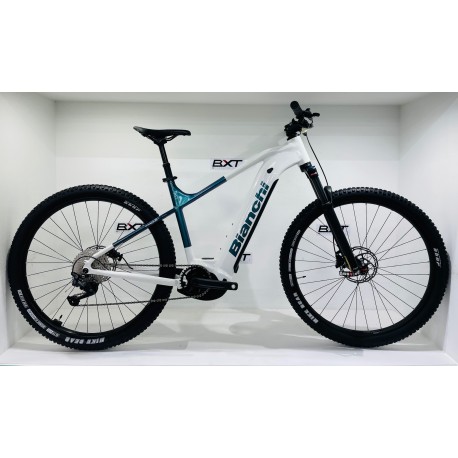
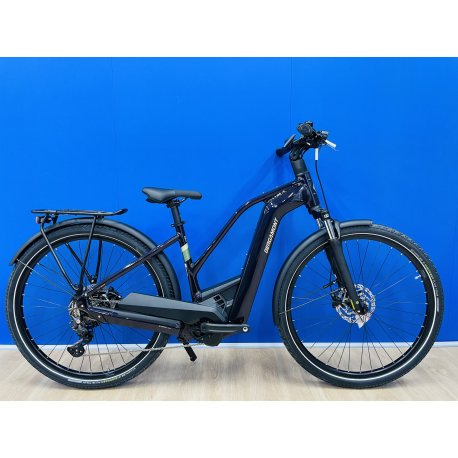
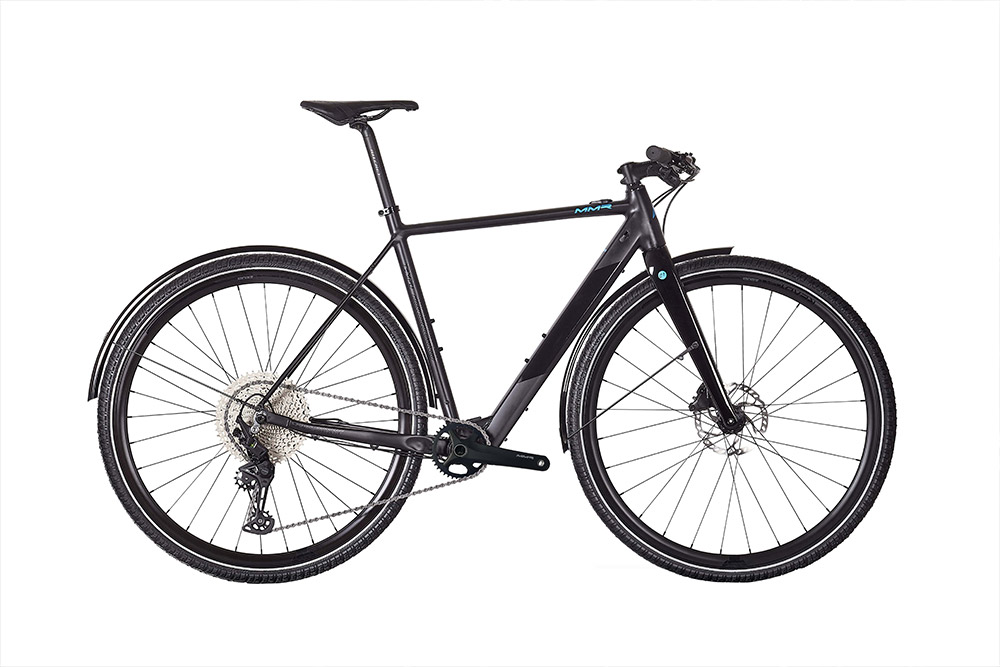
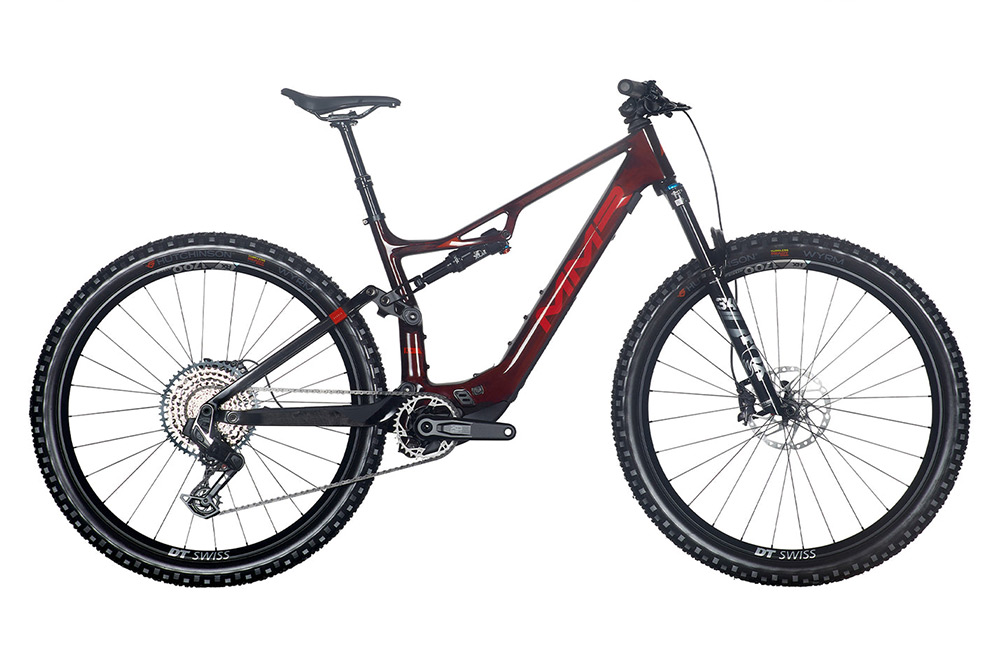
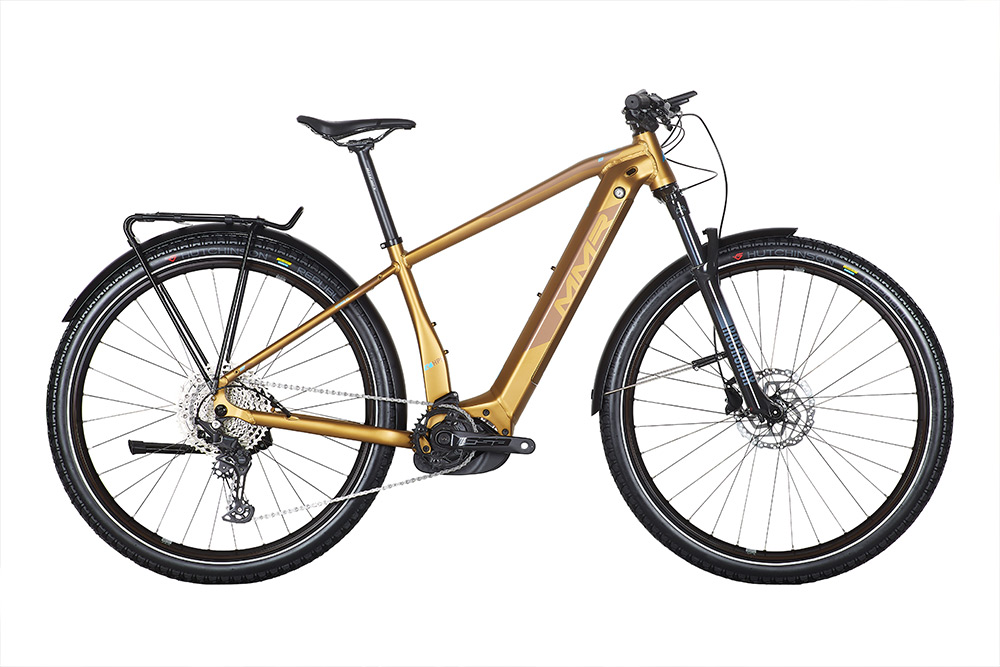
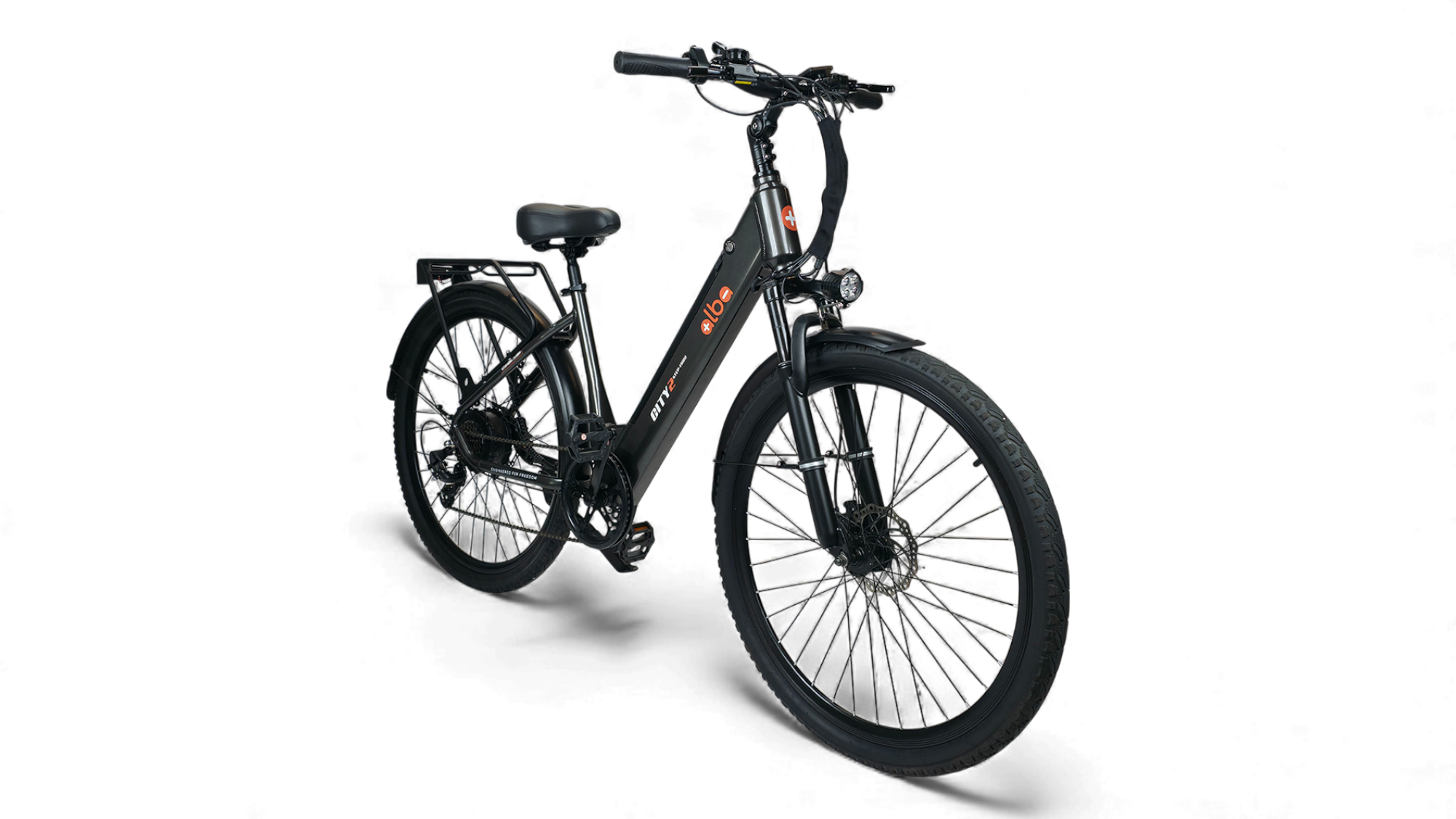
Electric Bikes
What About Electric Scooters?
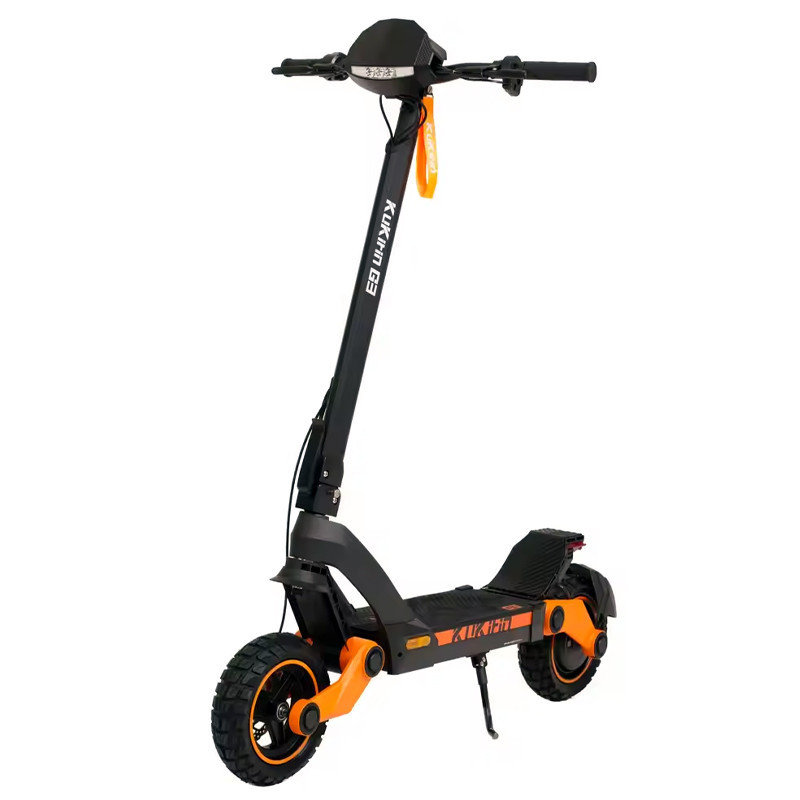
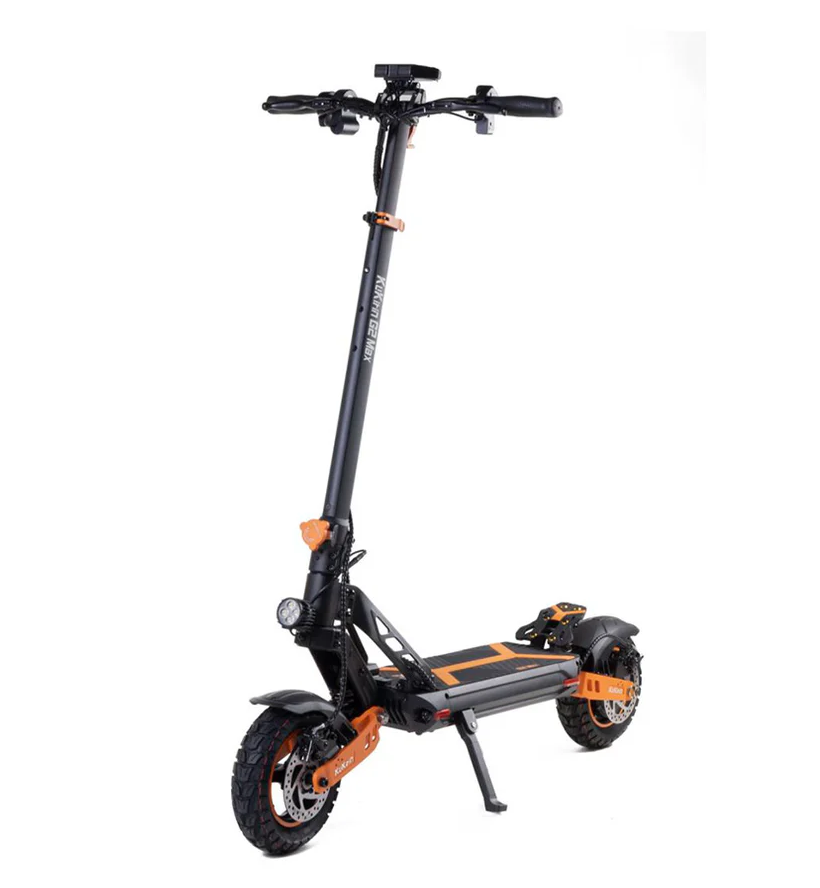
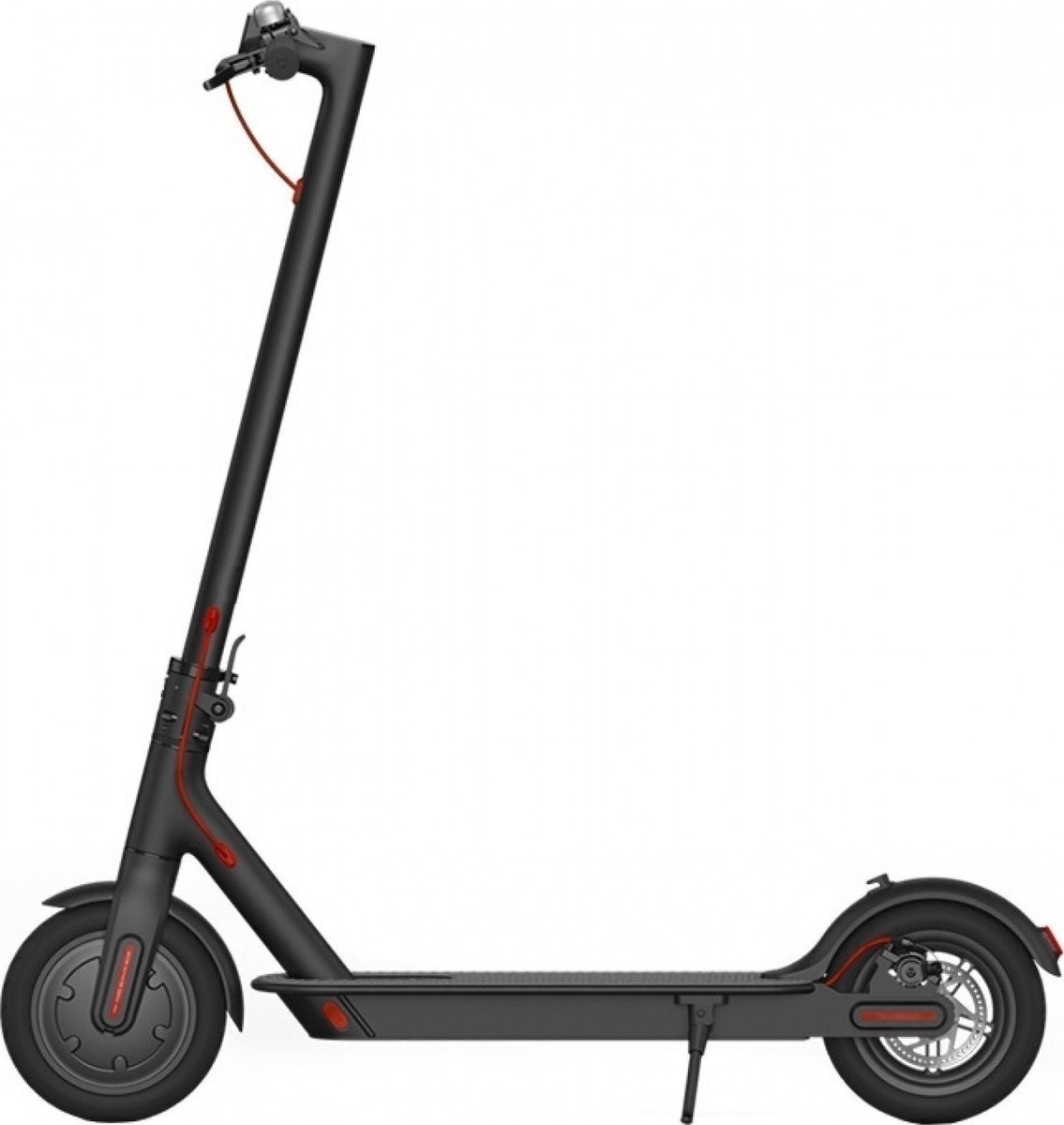
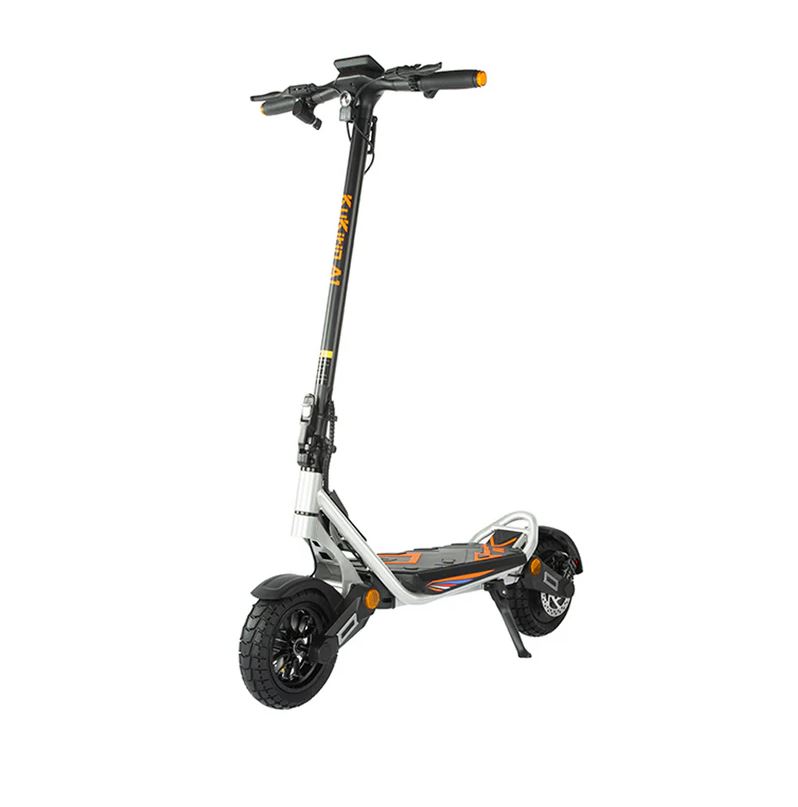
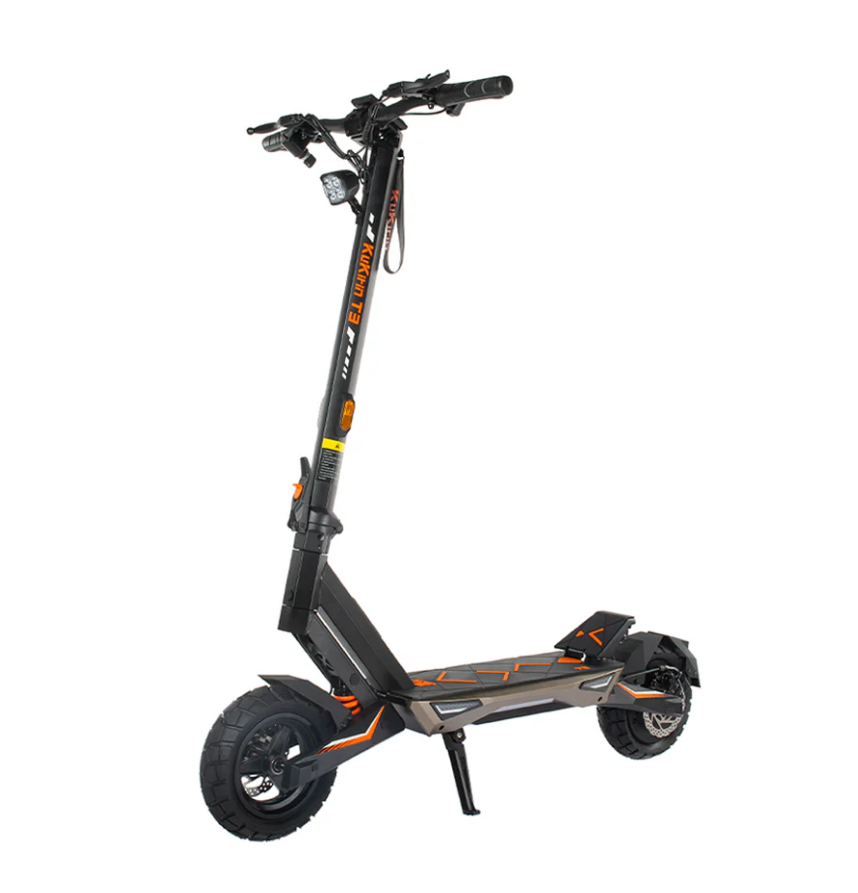
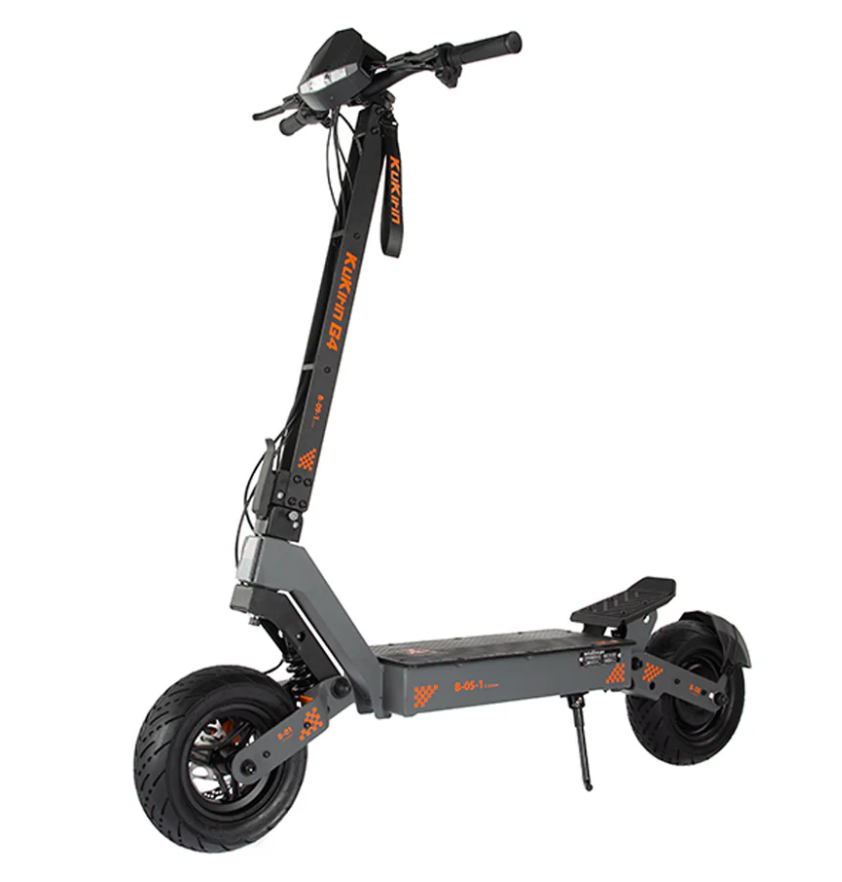
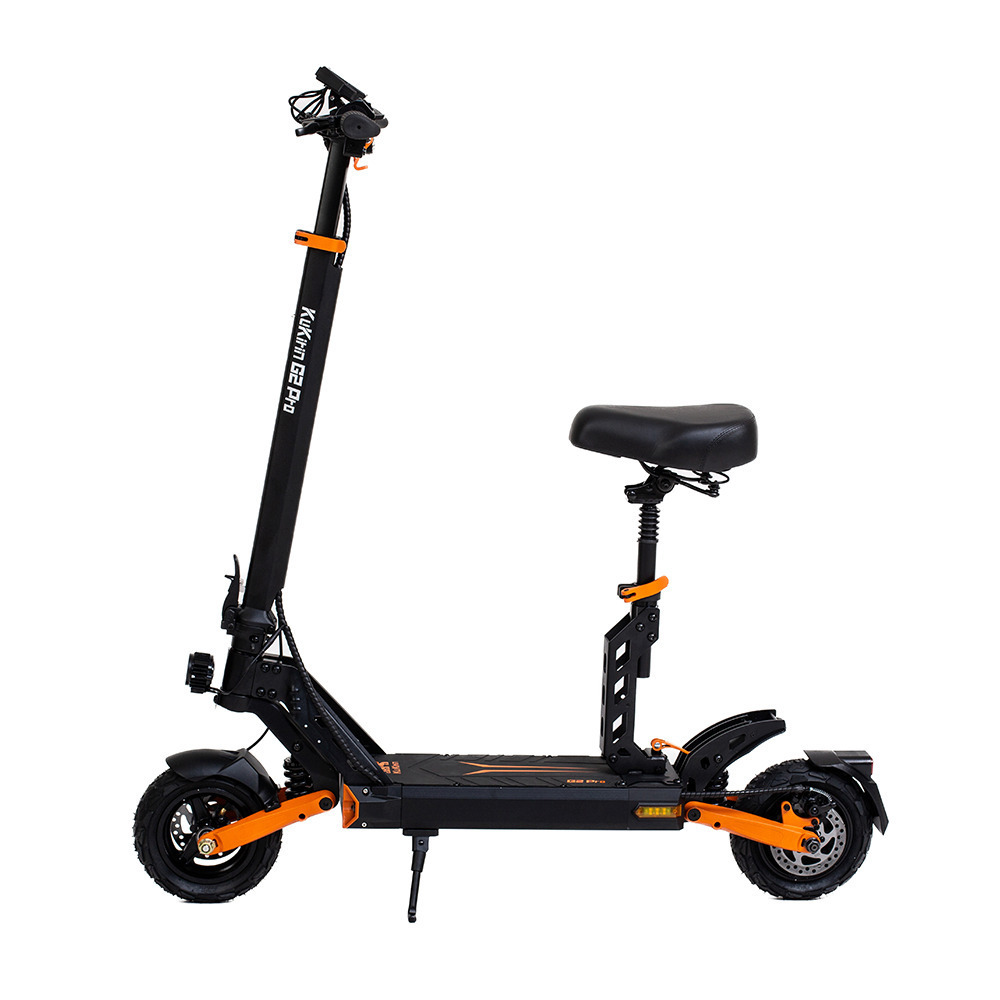
Electric scooters usually have integrated lighting, but that doesn't always mean the built-in light is ideal for every situation.
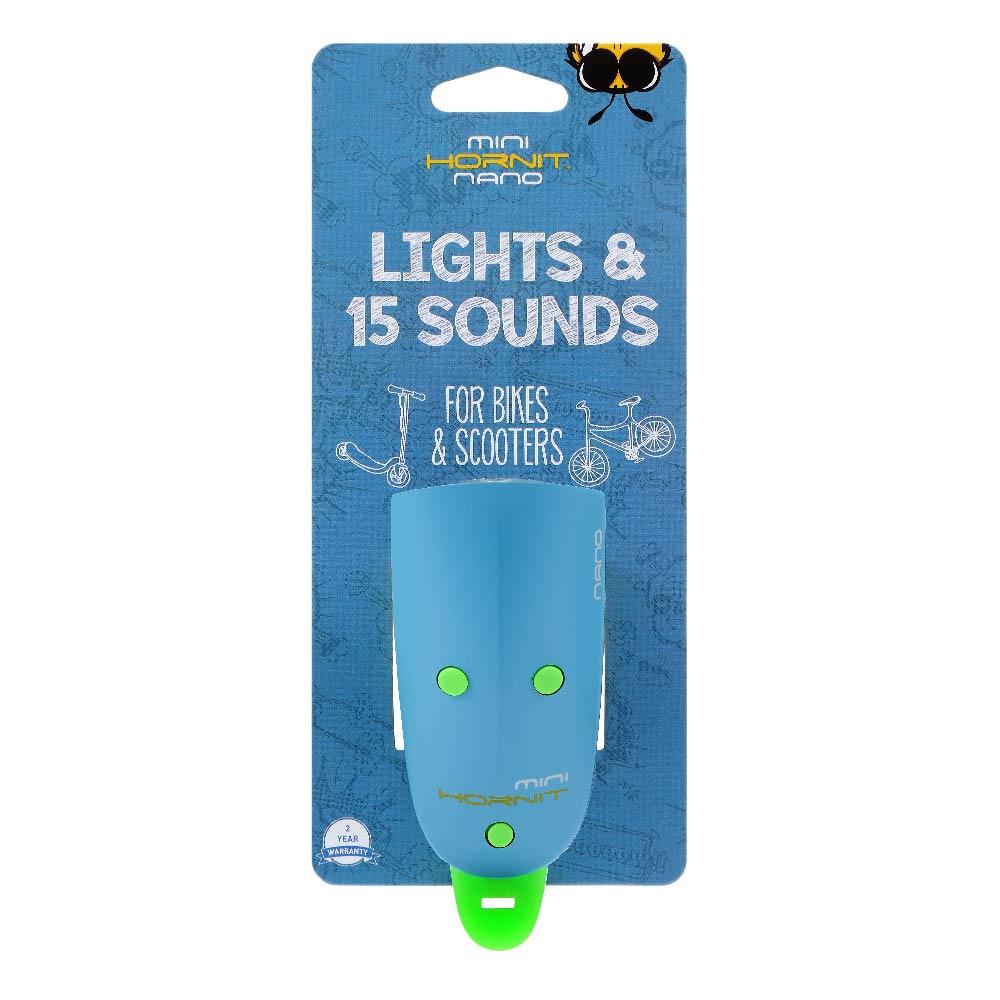
An additional handlebar light can:
- Improve road illumination
- Increase visibility
- Provide a backup if the integrated light fails
- Make the scooter more noticeable in poor weather
A small clip-on rear light can also provide an additional visibility point higher up on the rider, backpack or clothing.
Before using bicycle accessories on a scooter, make sure the mounting system fits securely.
Lights Can Meaningfully Improve Visibility and Safety
The biggest safety benefit of bicycle lights is straightforward: other road users can detect you sooner.
Research supports this.
A Danish study involving almost 4,000 cyclists found that riders using permanent daytime running lights experienced a 19% lower incidence of bicycle accidents involving personal injury than the control group.
Other research has found that drivers detect cyclists faster when rear lighting is used compared with no rear light.
Lights cannot eliminate cycling risk, but increasing the distance from which another road user can identify you gives them more time to react.
That makes good lighting one of the simplest upgrades you can make to a bicycle, e-bike or electric scooter.
A Simple Lighting Setup for Everyday Riders
You don't need to overcomplicate it.
For most commuters, start with:
- A rechargeable white front light
- A rechargeable red rear light
- Reflectors or reflective details
- Enough front-light power for the roads you actually use
If you regularly leave illuminated streets, upgrade the front light.
If most of your riding is urban, prioritize convenience and visibility.
Find Bike & Scooter Lights on bFlex
Whether you're looking for a tiny rechargeable rear LED, a compact city light or a powerful front light for darker roads, you can compare different bicycle and scooter lighting options from sellers on bFlex.
Browse bike and scooter lights:
https://bflex.io/services/buy/accessories?c-ids=103,118
Choose the light that matches your riding environment — not simply the biggest number on the box.
Electric Scooters
.jpg)