

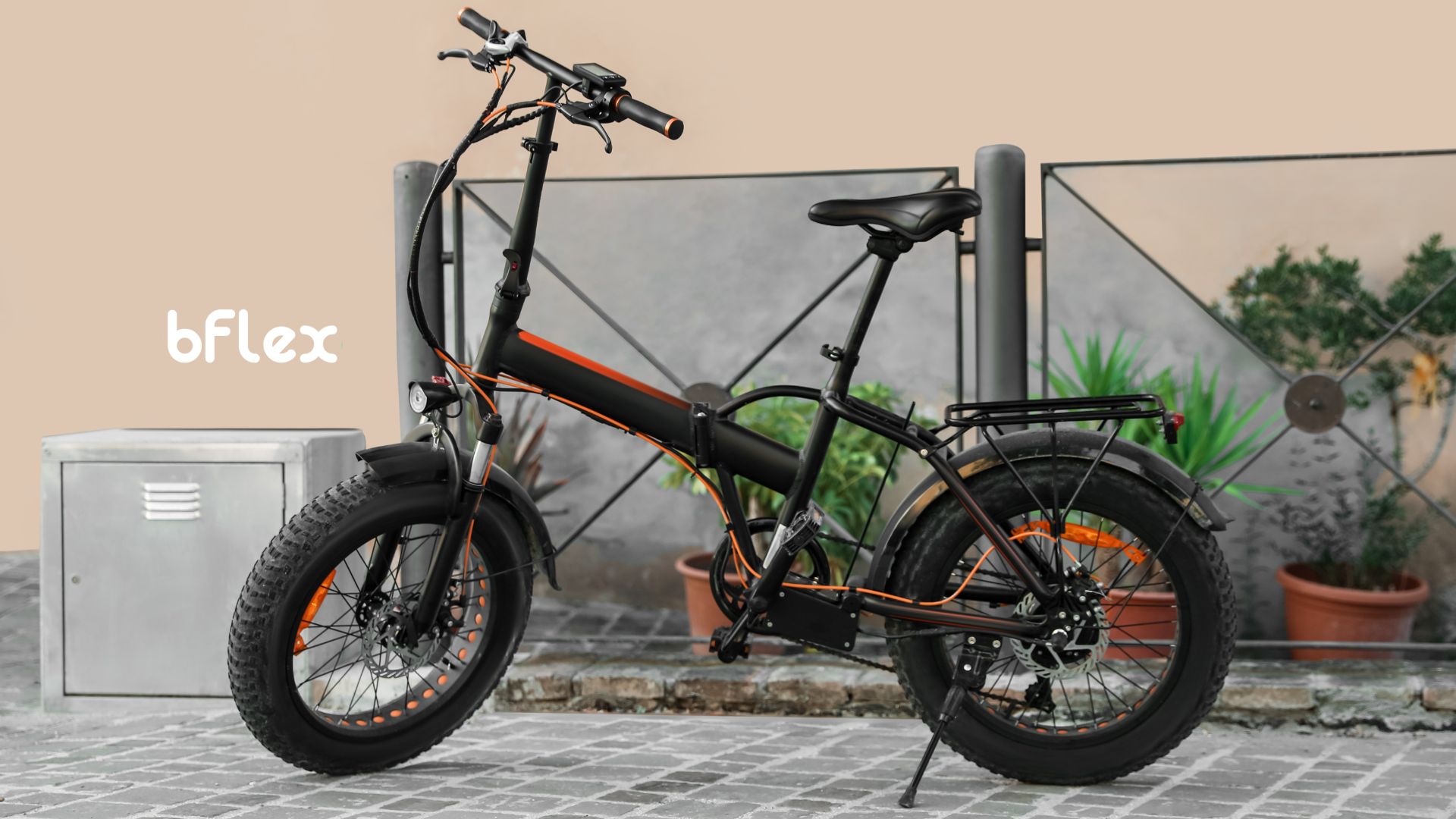
Electric Fat Bikes: Why People Love Them, Do’s and Don’ts, and What You Should Know
Electric fat bikes have become one of the fastest-growing categories in e-mobility. With oversized tires, strong motors, and excellent comfort, they are designed to ride on terrain where normal bicycles struggle.
From beach rides to daily commuting, fat tire e-bikes offer stability, power, and versatility that attract both beginners and experienced riders.
In this guide we explain:
- Why electric fat bikes are so popular
- What the legal limits are for road use
- The main advantages and disadvantages
- Do’s and don’ts when riding one
What Is an Electric Fat Bike?
An electric fat bike is an e-bike equipped with extra-wide tires (usually 4 inches or more) and an electric motor that assists pedaling.
The wide tires provide:
- Increased traction
- Better balance
- Natural shock absorption
Because of this, electric fat bikes perform well on:
- Sand and beaches
- Snow
- Gravel and dirt roads
- Rough urban streets
They combine the comfort of large tires with the efficiency of electric assistance.
Legal Limits for Electric Fat Bikes in Europe
In most European countries, including Greece, an electric bike is considered a normal bicycle only if it meets the following limits:
- Maximum motor power: 250W
- Maximum assisted speed: 25 km/h
This means:
- The motor stops assisting after 25 km/h
- Riders can go faster, but only by pedaling without motor assistance
Because these bikes fall within bicycle regulations, they do not require:
- A driver's license
- Insurance
- Registration
Higher-Power Fat Bikes Exist
Some electric fat bikes are sold with:
- 500W, 750W, or even 1000W motors
- Speeds of 35–45 km/h or higher
These models are not road legal as bicycles in most of Europe.
They may legally fall under categories such as:
- Speed pedelecs
- Mopeds
- Off-road vehicles
These bikes may require:
- Registration
- Insurance
- Helmet use
- Specific infrastructure
For normal road use in cities like Athens, 250W / 25 km/h models are the legal standard.
Why People Love Electric Fat Bikes
1. Excellent Stability
Fat tires provide much more surface contact with the road.
This gives riders:
- Better balance
- More grip on slippery surfaces
- More confidence when riding
Many beginners find fat bikes easier to control than narrow-tire bicycles.
2. Comfortable Riding Experience
The large tires absorb bumps and vibrations.
This makes fat bikes ideal for:
- Cobblestone streets
- Rough asphalt
- Gravel paths
- Long rides
Cities with uneven road surfaces benefit greatly from this comfort.
3. Power for Hills and Long Distances
Electric fat bikes typically include strong motors that assist pedaling.
This allows riders to:
- Climb hills easily
- Ride longer distances
- Commute without sweating
The electric assistance makes cycling accessible to many more people.
4. All-Terrain Versatility
Fat tire bikes are often called all-terrain e-bikes.
They can handle:
- Urban commuting
- Beach riding
- Forest trails
- Weekend adventures
One bike can replace several specialized bicycles.
Electric Fat Bike Do’s
Do keep tire pressure relatively low
Fat tires work best with lower pressure.
Lower pressure improves:
- Grip
- Comfort
- Shock absorption
Always follow the recommended pressure range.
Do lock your bike properly
Electric bikes are valuable, so good security is important.
Always:
- Use a strong lock
- Attach the bike to a fixed object
- Lock through the frame
Do use pedal assist wisely
Lower assist levels help extend battery range.
Higher levels are best for:
- Hills
- Strong winds
- Heavy loads
Do maintain the battery
Battery care helps extend lifespan.
Best practices include:
- Avoid frequent full discharges
- Store batteries indoors
- Charge regularly
Electric Fat Bike Don’ts
Don’t inflate the tires like normal bike tires
Fat tires require much lower pressure than standard bicycles.
Over-inflating them reduces traction and comfort.
Don’t forget the weight
Electric fat bikes are heavier than traditional bicycles.
They usually weigh 25–35 kg, which can affect:
- Carrying the bike upstairs
- Transporting it by car
Don’t skip regular maintenance
Because these bikes often ride on rough surfaces, parts can wear faster.
Check regularly:
- Brakes
- Chain lubrication
- Tire condition
Don’t assume they are only for off-road riding
Fat bikes are often associated with beaches and mountains, but they also perform very well in cities.
The wide tires actually make urban commuting smoother and more comfortable.
Who Should Consider an Electric Fat Bike?
Electric fat bikes are ideal for:
Urban commuters
Comfortable riding on rough city roads.
Adventure riders
Great for trails, beaches, and outdoor exploration.
Beginner cyclists
Stable and easy to control.
Riders looking for comfort
Wide tires reduce road vibrations significantly.
Buy an Electric Fat Bike
If you're ready to own one, you can browse available models on the bFlex marketplace.
👉 Browse electric fat bikes for sale
https://bflex.io/services/buy/bikes?c-ids=4,9
You can find both new and second-hand models from multiple vendors.
Lease an Electric Fat Bike in Athens
If you want to try one before buying, leasing can be a flexible option.
👉 Lease an electric fat bike in Athens
https://bflex.io/services/subscribe/bikes?lat=37.9838096&lng=23.7275388&zoom=12&place_id=ChIJ8UNwBh-9oRQR3Y1mdkU1Nic
Leasing is popular for:
- City commuters
- Long-term visitors
- Riders exploring e-mobility alternatives
Final Thoughts
Electric fat bikes combine comfort, stability, and versatility, which explains their growing popularity worldwide.
As long as the bike meets the 250W motor and 25 km/h assistance limit, it can be used legally as a bicycle on public roads in most European countries.
For riders who want a comfortable and powerful ride that can handle both city streets and outdoor terrain, electric fat bikes are one of the most enjoyable options in modern e-mobility.