
.jpg)
Where Should You Charge a Removable Battery?
How to Safely Charge and Store an E-Bike, Electric Scooter or Motorbike Battery
Electric bikes, scooters and motorbikes with removable batteries are easy to charge at home, work or while travelling. Instead of moving the entire vehicle near a socket, you can remove the battery and charge it indoors.
However, lithium-ion batteries must be handled correctly. Heat, moisture, damaged chargers and poor ventilation can reduce battery life and create safety risks.
This guide explains how to safely charge and store removable batteries for electric bikes, scooters and motorbikes.
Choose a location that is:
- Dry and well ventilated
- Away from direct sunlight
- Away from heaters and flammable materials
- Out of reach of children and pets
- At a moderate room temperature
- Close to a suitable wall socket
Place the battery on a stable, hard surface. Avoid beds, sofas, carpets and areas covered with clothing or paper.
Never cover the battery or charger while charging, as this can trap heat.
Always Use the Correct Charger
Use the original charger supplied with the vehicle or a replacement approved by the manufacturer.
A charger that fits the connection is not automatically compatible. Different batteries use different voltages, charging currents and safety systems.
The wrong charger may:
- Damage the battery
- Cause overheating
- Reduce battery life
- Damage the vehicle electronics
- Invalidate the warranty
Stop using a charger if the cable is damaged, the connector is loose or it produces an unusual smell, noise or amount of heat.
Should You Remove the Battery Before Charging?
Many electric bikes, scooters and motorbikes allow the battery to be charged either inside or outside the vehicle.
Removing the battery is especially useful when:
- You live in an apartment
- The vehicle is parked outside
- There is no socket near the parking area
- You charge at work
- You want to protect the battery from theft or extreme temperatures
Always switch off the vehicle before removing the battery. When reinstalling it, make sure it is fully inserted and securely locked.
Charging an E-Bike Battery in an Apartment
A removable e-bike battery can normally be charged inside without bringing the bicycle upstairs.
Use a clear, ventilated area with a hard floor. Keep the battery away from curtains, paper, cleaning products and emergency exits.
Before charging:
- Check the battery for visible damage.
- Let a very hot or cold battery reach room temperature.
- Use the approved charger.
- Make sure the cable is not a trip hazard.
- Check the battery occasionally while charging.
Charging Electric Scooter Batteries
Some electric scooters have removable batteries that can be charged separately.
Before removing the battery:
- Switch off the scooter
- Remove the key, when applicable
- Check that the charging port is dry
- Use the designated handle
- Avoid pulling on cables or connectors
Scooter batteries can be heavier than e-bike batteries. Carry them carefully and stop using the battery if the casing is cracked, swollen or deformed.
Charging Electric Motorbike Batteries
Electric motorbikes and mopeds often use larger removable batteries. Some models use two batteries.
Because they have a higher capacity, they may take longer to charge. Make sure:
- The charger has enough ventilation
- The battery is placed securely
- The wall socket is suitable
- The charging area remains clear
- The charger matches the exact model
When the motorbike uses two batteries, follow the manufacturer’s instructions for charging order and battery balancing.
Can You Charge at Work?
Charging at work is convenient for commuters and delivery riders, but always check whether it is permitted.
Use a safe location that does not block walkways or emergency exits. Avoid charging underneath desks surrounded by paper, bags and electrical equipment.
A dedicated workplace charging area should ideally include:
- Hard surfaces
- Good ventilation
- Clear charging rules
- Safe sockets
- Space between batteries and chargers
Label your battery and charger if several employees use similar vehicles.
Can You Charge at a Hotel?
Hotels and holiday accommodation may have their own battery-charging rules.
Ask the property before bringing a large battery into the room. Some hotels provide a dedicated bicycle or battery-charging area.
When travelling:
- Use your approved charger
- Keep the battery away from beds and curtains
- Do not block emergency exits
- Avoid damaged travel adapters
- Check the local voltage
- Dry the battery and charging port after rain
Should You Charge a Battery Overnight?
It is safer to charge the battery while you are awake and able to check it.
Modern batteries normally include charging protection, but you should still disconnect the charger once charging is complete.
Never leave a damaged, swollen or unusually hot battery charging unattended.
What Temperature Is Best for Charging?
Lithium-ion batteries perform best at moderate temperatures.
Do not charge a battery when it is:
- Extremely cold
- Very hot
- In direct sunlight
- Freshly used after a demanding ride
- Next to a heater
Let a hot battery cool down and allow a cold battery to gradually reach room temperature before charging.
How Should You Store a Battery?
During hot weather, remove the battery when the vehicle is parked in direct sunlight. Store it indoors in a cool, dry room.
Avoid leaving batteries:
- Inside a hot car
- Near a window in direct sunlight
- Beside heaters or cooking equipment
- Outdoors in freezing temperatures
- In a refrigerator or freezer
When storing the battery for several weeks or months, check the manufacturer’s recommended charge level. Many batteries should be stored partially charged rather than completely full or empty.
Check the battery periodically and do not leave it fully discharged for months.
Warning Signs of Battery Damage
Stop using or charging the battery if you notice:
- Swelling or deformation
- Cracks in the casing
- Leaking fluid
- Burn marks
- A strong chemical smell
- Hissing or popping sounds
- Excessive heat
- Melted connectors
Do not open, puncture or repair a lithium-ion battery yourself. Contact the seller, manufacturer or a qualified service provider.
Can You Use an Extension Cable?
Connecting the charger directly to a wall socket is preferable.
When an extension cable is necessary, use a high-quality cable with the correct electrical rating. Fully unroll cable reels and avoid connecting several chargers or high-power devices to the same extension lead.
Never use a damaged, wet or unusually warm cable.
How Can You Extend Battery Life?
Good habits can help your battery last longer:
- Use the approved charger
- Avoid extreme temperatures
- Do not leave it completely empty for long periods
- Keep it dry
- Avoid dropping it
- Keep the electrical contacts clean
- Store it correctly when not in use
- Follow the manufacturer’s instructions
Battery range will naturally decrease over time, but correct charging and storage can slow this process.
Frequently Asked Questions
Is it safe to charge an e-bike battery indoors?
Yes, when the battery is undamaged and charged with the approved charger in a dry, ventilated area away from flammable materials.
Can I charge a scooter battery in my apartment?
Many scooters with removable batteries can be charged indoors. Follow the manufacturer’s instructions and use a stable, hard surface.
Can electric motorbike batteries be charged at home?
Yes, when the battery is designed to be removable and the correct charger and electrical connection are used.
Should I remove the battery when parking outside?
Removing it can protect the battery from theft, rain, direct sunlight and extreme temperatures.
Why is my battery hot after riding?
Batteries may become warm during demanding use. Let the battery cool before connecting the charger.
Can I charge a removable battery in a hotel room?
Hotel policies differ. Ask whether charging is allowed in rooms or whether a dedicated charging area is available.
Find Your Next Electric Vehicle on bFlex
Looking for an electric bike, scooter or motorbike? Compare different models and mobility options through bFlex.
Buy an Electric Vehicle
Explore electric bikes, scooters, motorbikes and other vehicles available to purchase.
View electric vehicles for sale
Lease or Subscribe Monthly
Use an electric vehicle through a flexible monthly subscription without purchasing it outright.
Rent an Electric Vehicle
Compare electric bikes, scooters and other rental vehicles available through local bFlex partners.
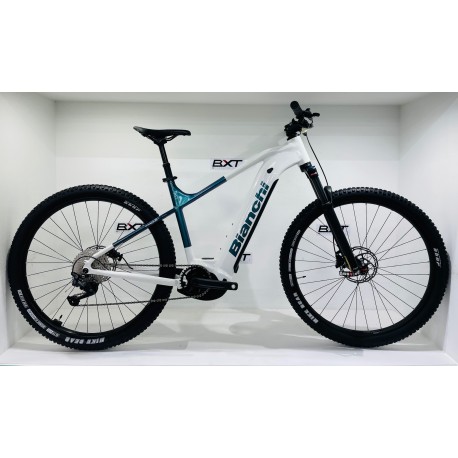
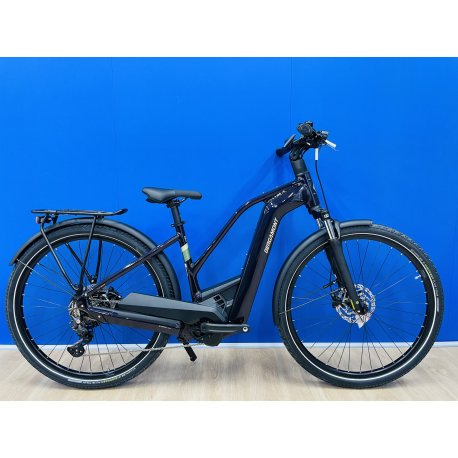
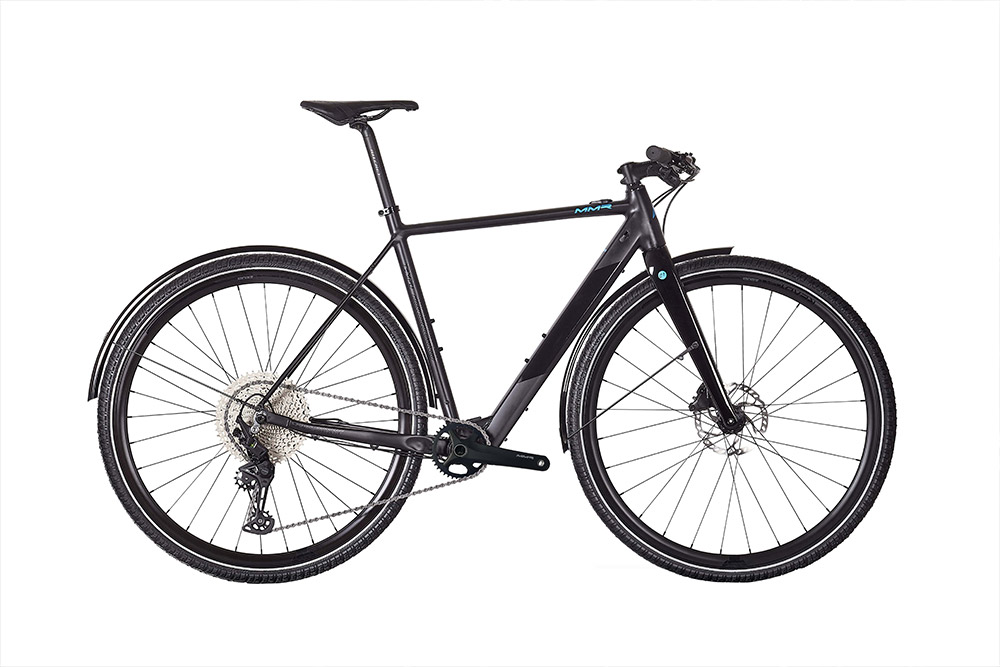
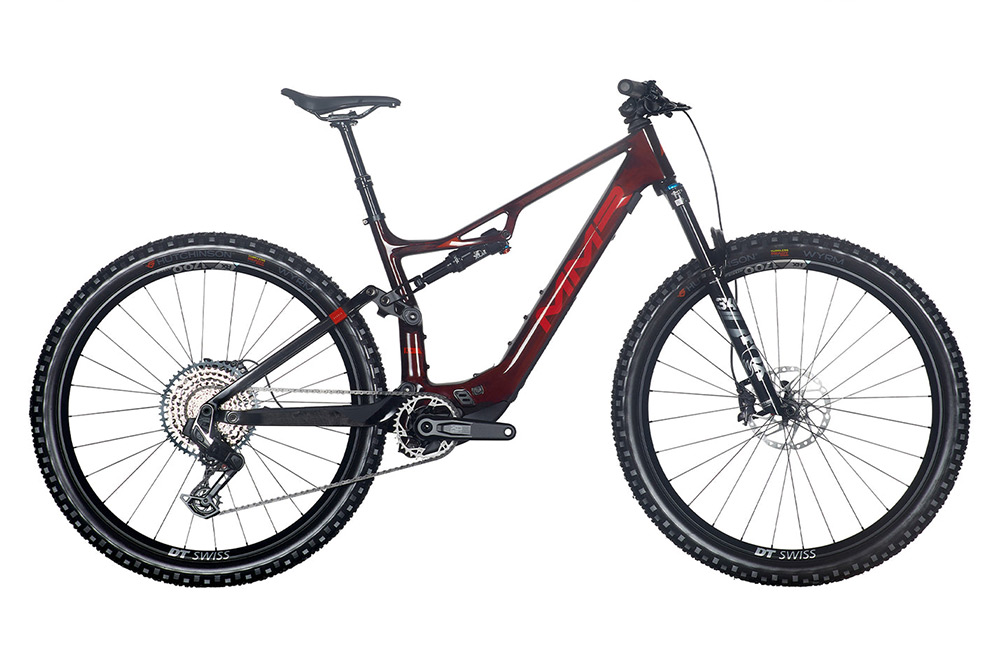
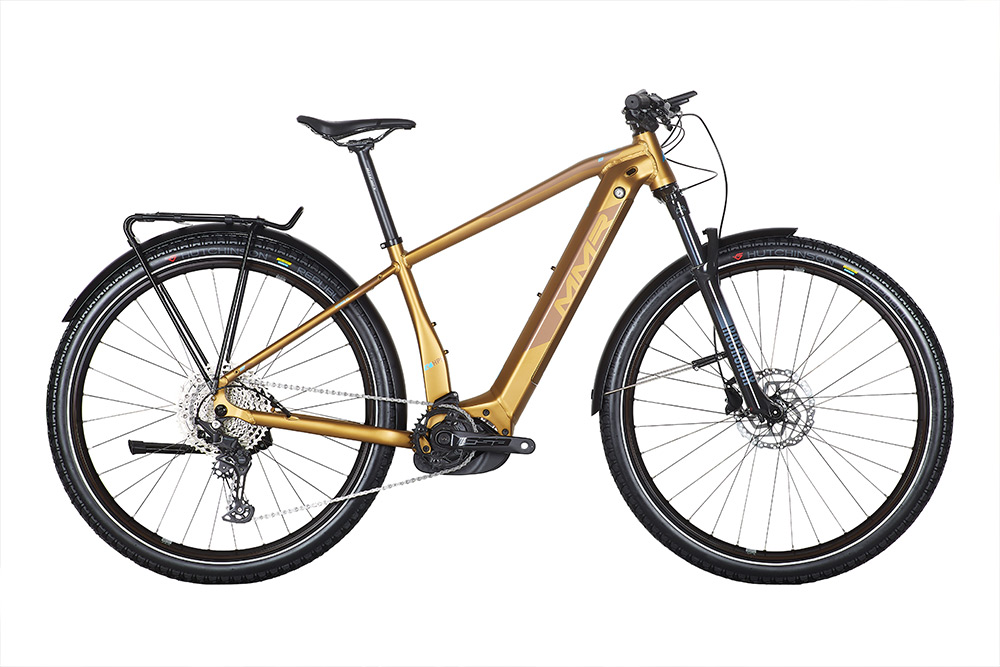
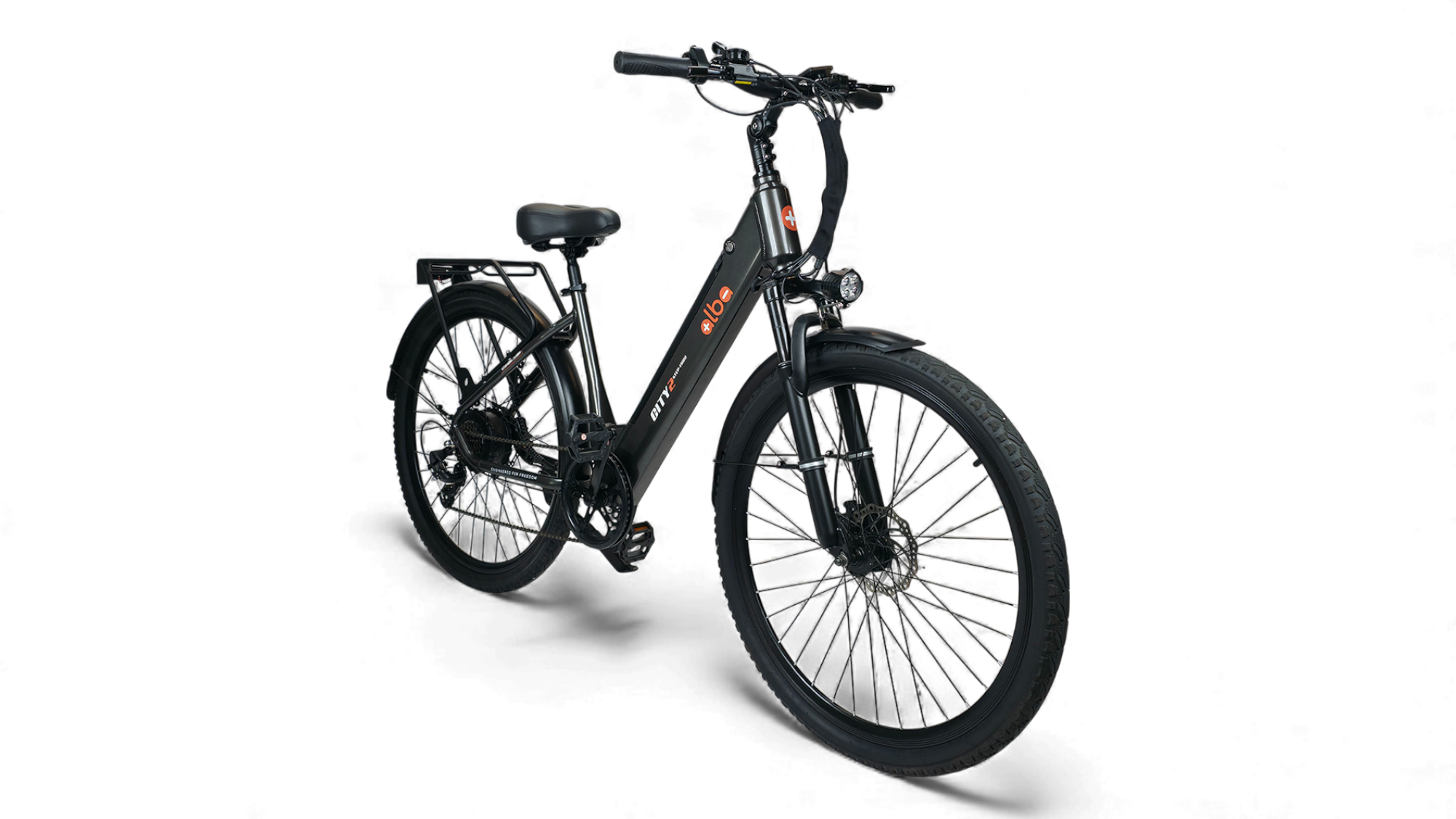
Discounted Electric Bikes
Check our best discounts now!
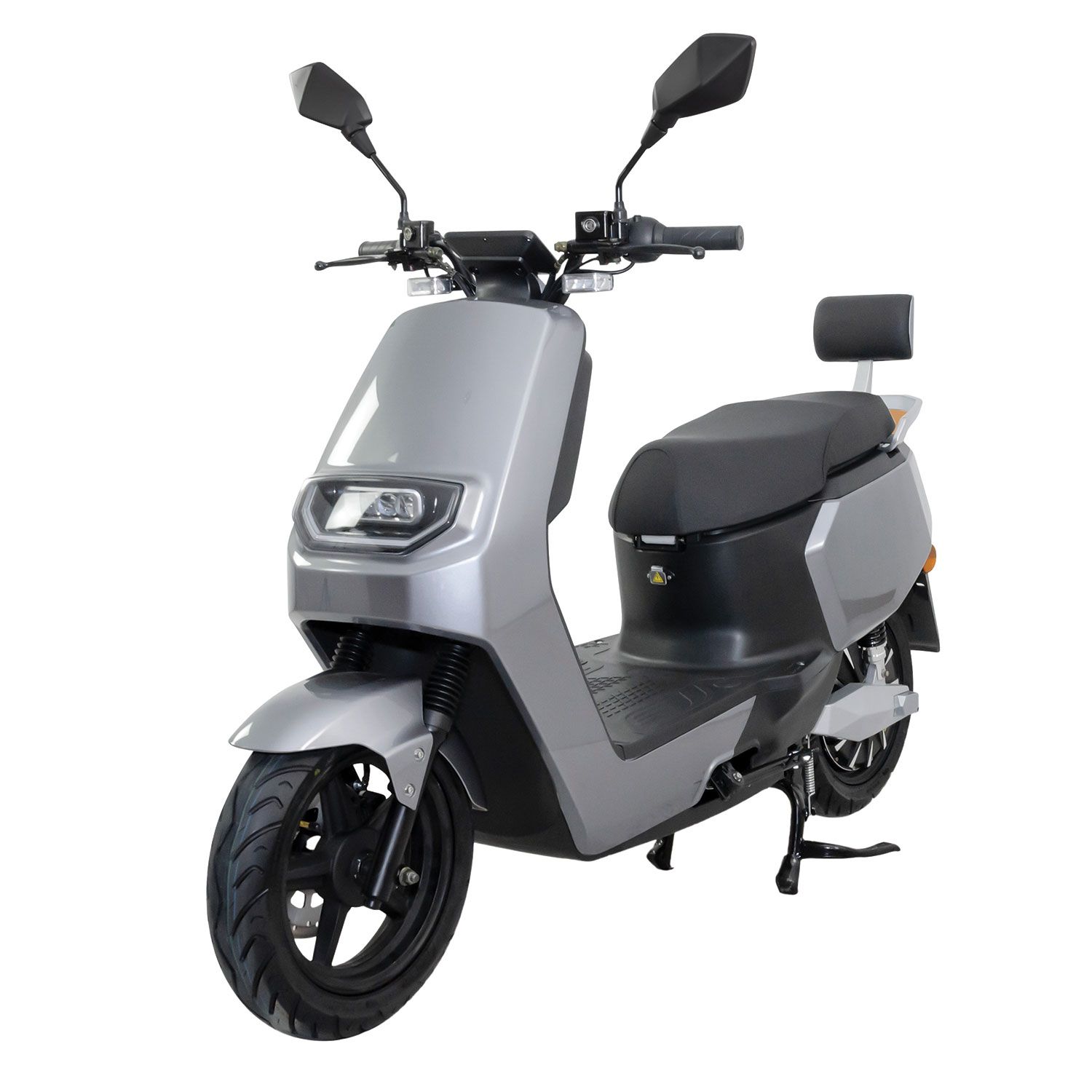
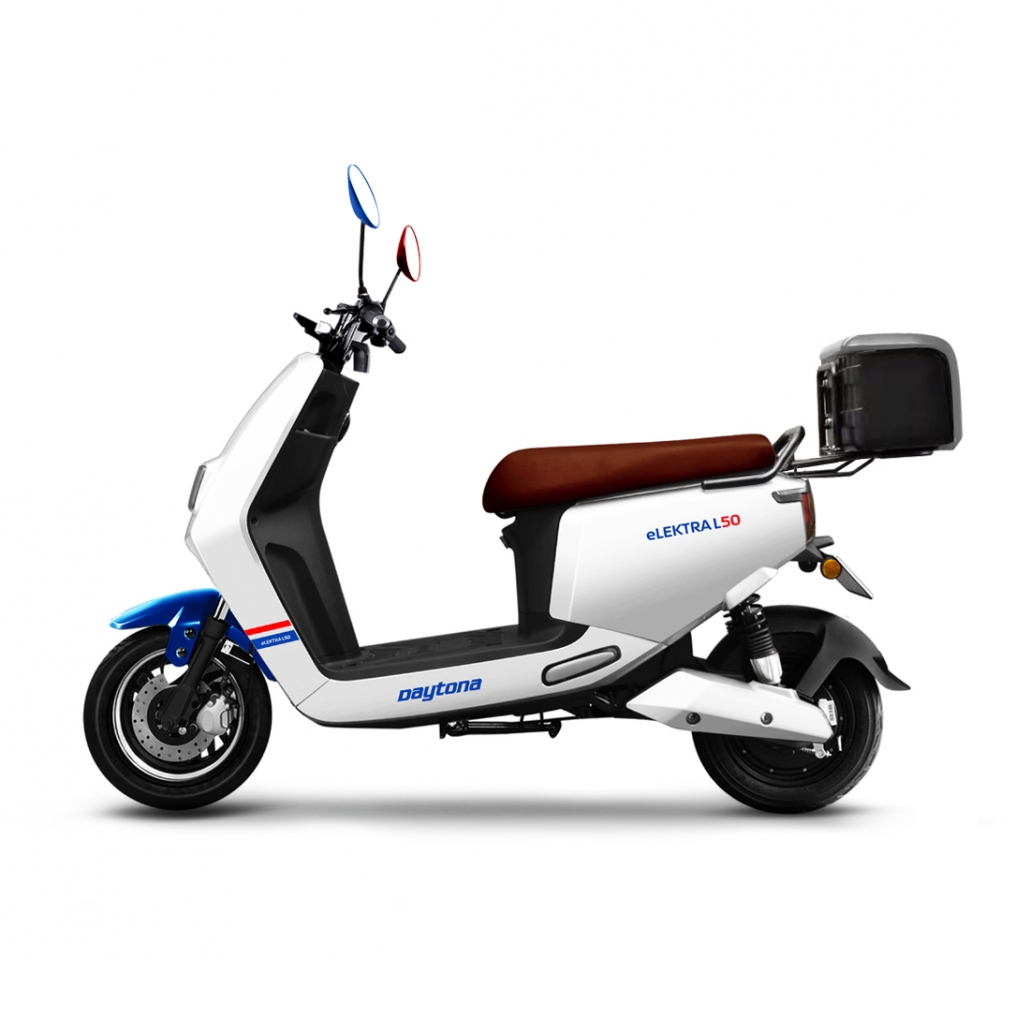
Discounted Electric Scooters and Motorbikes
Best offers now!
.webp)