

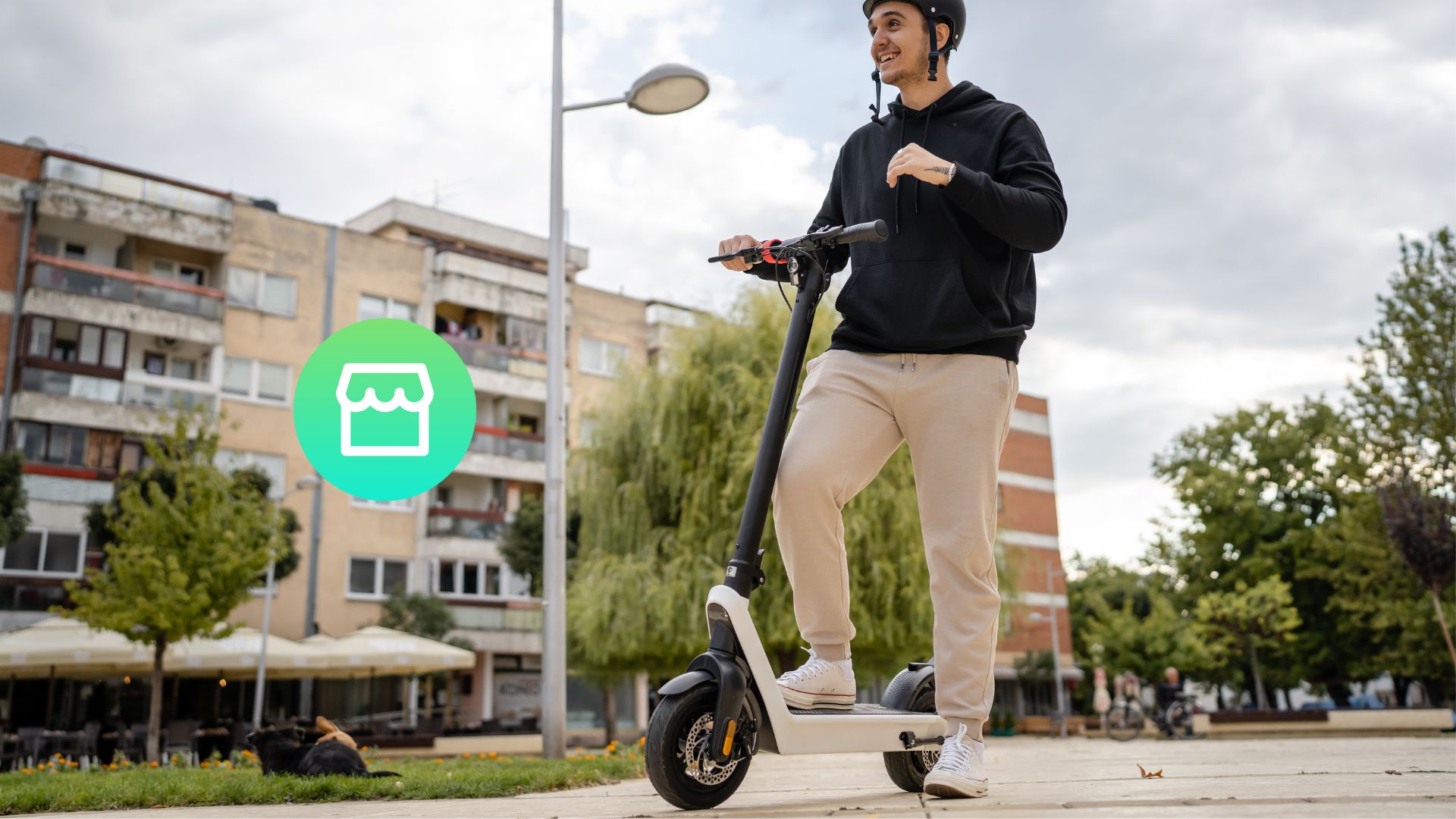
Electric kick scooters in Greece, the practical guide (legal limits, suspension, prices, FAQ)
Electric kick scooters are one of the easiest ways to move around Greek cities without the usual headaches. Fewer short car rides, less time circling for parking, and way less “I’m late because traffic” energy. If you pick the right scooter, it’s a legit everyday tool, not a toy.
Ride with bFlex (rent, lease, or buy a scooter)
Want to try one first, or just get moving today?
- Buy new or secondhand scooters: https://bflex.io/services/buy/scooters?c-ids=72
- Lease monthly (mainly in Athens): https://bflex.io/services/subscribe/scooters?lat=37.9838096&lng=23.7275388&zoom=12&place_id=ChIJ8UNwBh-9oRQR3Y1mdkU1Nic
- Rent by the day: https://bflex.io/services/rent
Legal limits in Greece, what you actually need to know
In Greece, electric kick scooters fall under Light Personal Electric Vehicles (often treated similarly to bicycles in day-to-day circulation rules).
Key points:
- Top speed limit: Scooters intended for public roads are generally expected to be limited to 25 km/h.
- Pedestrian areas: Ride slow (commonly referenced as around walking speed).
- Where you can ride: In general, avoid roads where the speed limit is above 50 km/h.
- Helmet: Often required depending on category and speed, and always a smart move in city riding.
- No passengers: One rider only.
- Basic safety: Lights, reflectors, a bell or horn, and reliable brakes.
Is it “25 km/h but no restriction on motor power”?
In practice, rules focus mainly on maximum speed and how the vehicle is classified (rather than marketing wattage alone). The safest approach is simple: choose a scooter that is clearly 25 km/h compliant and don’t modify speed settings.
EU rules, the short version
There isn’t one single EU-wide e-scooter law that applies the same everywhere. Most EU countries converge around 20–25 km/h, but the details vary a lot by country (where you can ride, helmet rules, minimum age, and whether insurance is required). If you plan to ride outside Greece, check the local rules before you go.
What really matters when choosing a scooter
1) Tires and wheel size (comfort and safety)
This is the biggest difference-maker for real streets.
- Solid tires: low maintenance, harsher ride, less grip on wet roads
- Pneumatic (air) tires: smoother and grippier, but can puncture
- 10-inch wheels: usually feel noticeably safer than smaller wheels on rough asphalt and cracks
If your route includes bad pavement, ramps, or uneven streets, prioritize 10-inch pneumatic tires.
2) Suspension (how to decide)
Suspension helps comfort, traction, and control, especially on rough roads.
- No suspension: cheaper, lighter, fine on smooth roads
- Front suspension: better steering control over cracks and potholes
- Rear suspension: improves comfort, but front still takes hits
- Dual suspension: best comfort and stability, higher price and more parts to maintain
Practical pick for most city riders: good tires first, then front suspension if you can afford it.
3) Brakes (don’t compromise here)
Look for at least one strong “real” brake:
- Disc brake (mechanical or hydraulic)
- Drum brake (low maintenance and solid for city use)
Electronic braking is nice, but it shouldn’t be your only stopping power.
4) Real-world range (ignore the marketing number)
A simple rule: take the advertised range and expect 60–70% in real life, especially with stops, hills, heavier riders, wind, or cold weather.
5) Water resistance (rain happens)
If you ride year-round, look for an IP rating. It won’t make it waterproof, but it helps reduce “one puddle, big regret.”
Price guide, what you get at each level
Entry level (€250–€450)
- Basic frame, smaller battery
- Usually no suspension
- Best for short, smooth routes
City commuter sweet spot (€450–€800)
- Better tires and stability
- Better brakes
- Sometimes basic suspension
This is where most everyday riders should aim.
Comfort and stability (€800–€1,300)
- More suspension options (often dual)
- Stronger braking setups
- Better build quality
Great if you ride daily or your streets are rough.
Premium and long-range (€1,300+)
- Bigger batteries, higher torque, heavier frames
- Designed for longer commutes and more demanding use
Can be overkill if you’re mostly doing short city hops.
Secondhand tip: check battery behavior, charging consistency, brake wear, tire condition, and that it’s still capped to 25 km/h if you want a stress-free legal setup.
Why scooters help in Greek cities (and why people stick with them)
A scooter won’t “fix” traffic, but it dodges it for short trips. For many people, that means:
- fewer quick car rides for errands and short commutes
- less time spent hunting for parking
- easier last-mile connections to metro or bus
- more predictable arrival times in busy areas
FAQ
What’s the legal top speed for electric scooters in Greece?
Generally 25 km/h for road use, with slower expectations in pedestrian areas.
Can I ride on big avenues?
In general, avoid roads where the speed limit is above 50 km/h. Choose calmer streets and routes that feel designed for micromobility.
Do I need a helmet?
Often required depending on category and speed, and strongly recommended for city riding.
What suspension do I need for Athens?
If you’re riding on rough streets: 10-inch pneumatic tires first, then consider front or dual suspension based on budget.
Should I rent, lease, or buy?
- Rent if you’re visiting or just want to test it out
- Lease if you want a monthly commute solution with less upfront cost (mainly Athens)
- Buy if you know your use-case and want best long-term value (new or secondhand)
Ready to ride?
- Buy new or secondhand scooters: https://bflex.io/services/buy/scooters?c-ids=72
- Lease monthly (mainly in Athens): https://bflex.io/services/subscribe/scooters?lat=37.9838096&lng=23.7275388&zoom=12&place_id=ChIJ8UNwBh-9oRQR3Y1mdkU1Nic
- Rent by the day: https://bflex.io/services/rent