

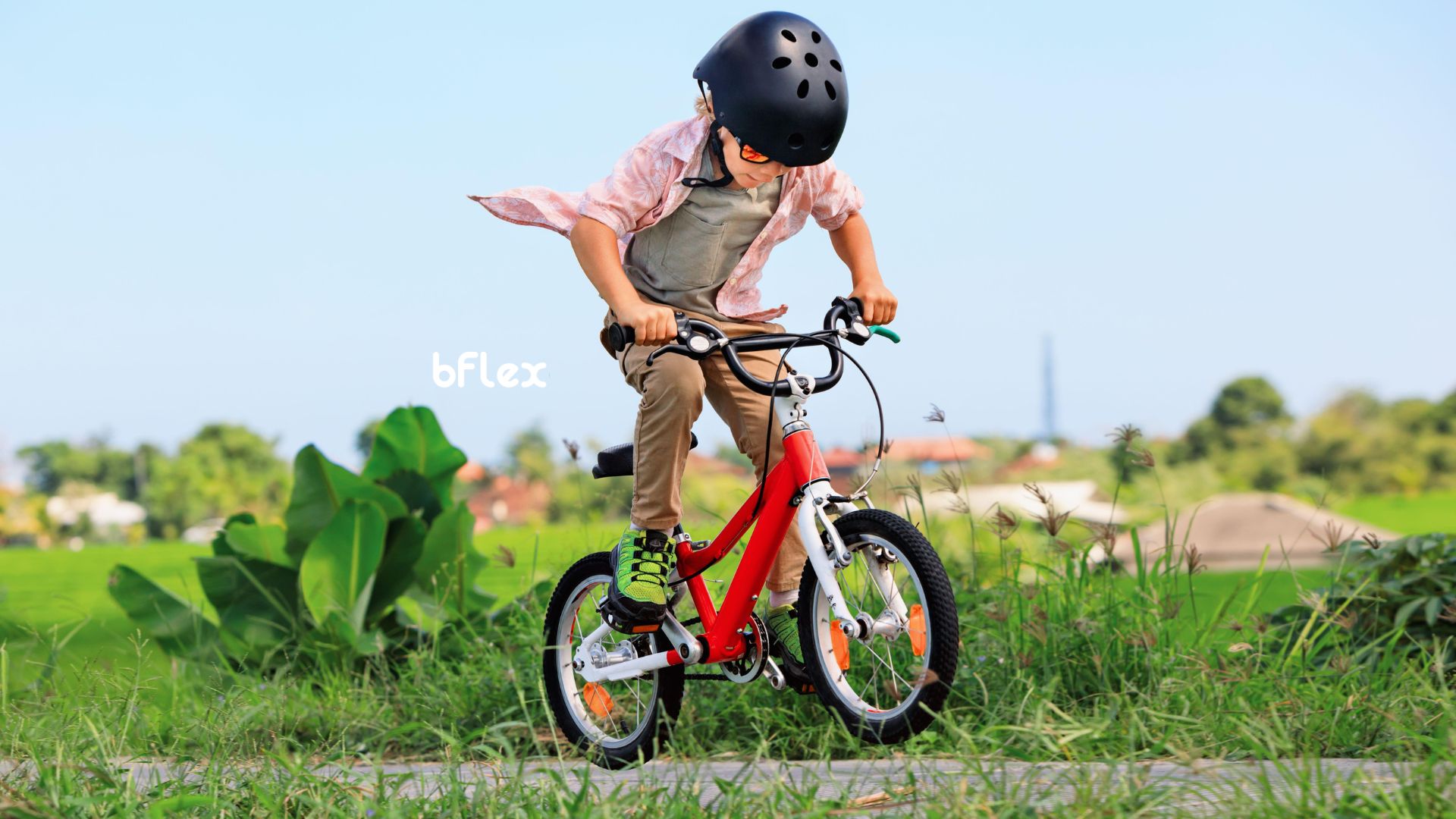
Kids’ Bike Size Guide: From Balance Bikes to 24-Inch Bikes
Choosing the right kids’ bike can make the difference between a child who feels nervous and a child who cannot wait to ride again.
Children’s bicycles are generally categorized by wheel size, starting with balance bikes and progressing through 12-inch, 14-inch, 16-inch, 18-inch, 20-inch and 24-inch bikes. Age can provide a useful starting point, but your child’s height, inside-leg measurement, confidence and riding experience are more important.
At bFlex, parents can compare more than 220 children’s bicycles from multiple brands and sellers in one place, including beginner bikes, lightweight models, colourful city bikes and geared bicycles for older children.
Kids’ Bike Sizes by Age
Age is a useful starting point, but height, inside-leg measurement and riding confidence are more important when choosing a children’s bike.
Balance Bikes
General age: 18 months to 4 years
Approximate height: 80 to 105 cm
Balance bikes are ideal for learning balance, steering and confidence before moving to pedals.
12-Inch Kids’ Bikes
General age: 2 to 4 years
Approximate height: 85 to 100 cm
A 12-inch bike is usually suitable as a child’s first small pedal bike.
14-Inch Kids’ Bikes
General age: 3 to 5 years
Approximate height: 90 to 110 cm
This size is often a good transition for children moving from a balance bike to their first pedal bike.
16-Inch Kids’ Bikes
General age: 4 to 6 years
Approximate height: 100 to 120 cm
A 16-inch bike is one of the most common choices for children learning to ride independently.
18-Inch Kids’ Bikes
General age: 5 to 7 years
Approximate height: 110 to 125 cm
An 18-inch bike can be useful for children who have outgrown a 16-inch model but are not yet comfortable on a 20-inch bike.
20-Inch Kids’ Bikes
General age: 6 to 9 years
Approximate height: 115 to 135 cm
At this size, children can start using bikes with gears, stronger brakes and features designed for longer rides.
24-Inch Kids’ Bikes
General age: 8 to 12 years
Approximate height: 125 to 150 cm
A 24-inch bike is usually the final children’s size before moving to a small adult bicycle.
Explore more than 220 kids’ bikes at bFlex
Why Cycling Is Good for Children
Cycling is not only a recreational activity. It encourages children to move regularly, spend time outdoors and develop practical skills.
Regular physical activity during childhood supports cardiovascular health, muscular fitness, bone strength, attention, memory and long-term health.
Cycling can also help children develop:
Balance and coordination
Steering, pedalling and braking require different movements to work together. These skills develop progressively, beginning with walking and gliding on a balance bike.
Confidence and independence
Learning to start, stop and ride independently gives children a visible sense of progress. Each new skill can make them more confident in their own abilities.
Strength and endurance
Pedalling activates the legs and core while longer rides gradually develop stamina.
Road and spatial awareness
With appropriate adult supervision, children can begin learning how to observe their surroundings, identify obstacles and make safe decisions.
Healthy family habits
Cycling can become an activity the entire family enjoys together, from short rides in a park to longer weekend excursions.
How to Measure Your Child for a Bike
Before buying, measure your child’s height and inside leg.
To measure the inside leg:
- Ask the child to stand straight against a wall without shoes.
- Place a book between their legs, gently raising it to simulate a bicycle saddle.
- Measure from the top of the book to the floor.
- Compare the measurement with the minimum saddle height of the bicycle.
For a beginner, the child should generally be able to place both feet securely on the ground while seated. A more experienced rider may be comfortable with only the front of each foot touching.
Also check that the child can:
- Reach the handlebars without stretching
- Turn the handlebars comfortably
- Operate the brake levers
- Get on and off independently
- Start and stop the bicycle safely
Should You Buy a Bigger Bike for the Child to Grow Into?
Buying a bicycle that is slightly adjustable is sensible. Buying a bike that is currently too large is not.
An oversized bike may be harder to control, especially when the child needs to stop suddenly. It can reduce confidence and make learning less enjoyable.
Choose a bicycle that fits now but offers some adjustment through the saddle and handlebar position.
Essential Safety Equipment
Every child should use a properly fitted cycling helmet. Closed shoes are also recommended, particularly while learning.
Depending on where and when the bicycle will be used, consider adding:
- Front and rear lights
- Reflectors
- A bell
- Knee and elbow protection for beginners
- A suitable bicycle lock
- A water bottle and bottle holder
Children should practise away from traffic and always be supervised until they have developed sufficient control and awareness.
Find the Right Kids’ Bike at bFlex
From a child’s first balance bike to a fully equipped 24-inch bicycle, choosing the correct size helps make every ride safer, more comfortable and more enjoyable.
bFlex brings together more than 220 kids’ bike options from different brands and sellers. Compare wheel sizes, colours, features and prices to find a bicycle suited to your child’s age, height and experience.
Explore more than 220 kids’ bikes at bFlex
Frequently Asked Questions
What bike size is suitable for a three-year-old?
Many three-year-olds use a balance bike, 12-inch bike or 14-inch bike. The best choice depends on the child’s height, inseam and riding experience.
What bike size is suitable for a five-year-old?
A five-year-old will commonly use a 16-inch or 18-inch bicycle. Taller or more experienced children may be ready for a small 20-inch model.
What bike size is suitable for a seven-year-old?
Many seven-year-olds fit a 20-inch bicycle. An 18-inch bike may suit a smaller child, while a taller child may be approaching a 24-inch model.
What age is a 24-inch bike for?
A 24-inch children’s bicycle is generally suitable from approximately eight to twelve years old, commonly for children around 125 to 150 cm tall.
Are balance bikes better than stabilisers?
Balance bikes allow children to practise balance and steering before adding pedals. Stabilisers can provide support on a pedal bike, but they do not teach balancing in the same way. The right approach depends on the child’s confidence and preferences.
Should a child be able to touch the ground on a bike?
A beginner should be able to touch the ground securely while seated. This helps the child stop safely and feel more confident. More experienced riders can use a slightly higher saddle position for more efficient pedalling.
Are gears necessary on a kids’ bike?
Gears are usually unnecessary on the smallest children’s bikes. They become more useful on 20-inch and 24-inch bicycles, particularly for hills and longer rides.
Explore more than 220 kids’ bikes at bFlex