

.jpg)
The battery is one of the most important parts of an electric bike, electric scooter or electric moped. It determines the range, weight, charging time, lifespan and price of the vehicle.
In Greece, there is another important question: is the battery removable? Many people in Athens, Thessaloniki and other cities live in apartments and cannot charge their bike or scooter where it is parked. A removable battery can therefore be much more practical than a slightly longer range.
The main battery types you will find today are lithium-ion, LiFePO4, graphene-enhanced batteries and lead-acid batteries.
Lithium-ion batteries
Lithium-ion is the most common battery technology in modern electric bikes and higher-quality electric scooters.
Its biggest advantage is its high energy density. Lithium batteries can store much more energy while weighing considerably less than lead-acid batteries.
This makes them ideal for electric bikes, where low weight is important and the battery often needs to be carried indoors.
Main advantages:
- Low weight
- Good range
- Faster charging
- Often removable
- Good lifespan
- Compact size
The main disadvantage is price. Lithium batteries are more expensive than traditional lead-acid batteries.
Heat also matters. In Greece, avoid leaving lithium batteries for long periods in direct summer sunlight, especially when temperatures are very high.
NMC vs LiFePO4 lithium batteries
Not every lithium battery is the same.
NMC lithium batteries are commonly used in electric bikes because they provide excellent range without adding too much weight. If you need to remove your battery and carry it upstairs regularly, NMC is often the most practical option.
LiFePO4 or LFP batteries are slightly heavier but are known for their long lifespan and thermal stability. Depending on quality and use, they can often achieve 2,000 or more charging cycles.
In simple terms:
NMC = lighter and more compact.
LiFePO4 = heavier, but potentially longer-lasting.
For rental fleets, delivery vehicles and other intensive daily use, LiFePO4 can therefore be very interesting.
What is a graphene battery?
The term graphene battery can be slightly misleading.
In many electric scooters and mopeds, a graphene battery is actually a graphene-enhanced lead-acid battery. Graphene or other carbon materials are added to improve charging performance and battery lifespan.
Graphene batteries can last considerably longer than traditional lead-acid batteries and are often cheaper than lithium.
However, they remain relatively heavy.
This makes them particularly suitable for electric scooters and mopeds where the battery stays inside the vehicle and the owner has access to a charging point.
If you need to carry your battery up several floors every evening, lithium will normally be much more convenient.
Lead-acid batteries
Lead-acid is an older battery technology that is still found in lower-cost electric scooters and mopeds.
Its biggest advantage is price.
However, lead-acid batteries are much heavier than lithium batteries and normally have a shorter lifespan.
Typical disadvantages include:
- High weight
- Larger battery size
- Shorter lifespan
- Slower charging
- Usually difficult to remove and carry
Lead-acid can still make sense if the purchase price is your main priority and you have a garage or ground-floor location where you can charge the entire scooter.
Removable batteries are especially important in Greece
Battery type and battery removability are not the same thing. A lithium battery can be either removable or built permanently into the vehicle.
However, because lithium batteries are relatively light, they are much more suitable for removable designs.
Imagine living on the fourth floor of an apartment building in Athens while your e-bike is parked downstairs.
With a fixed battery, you need a power socket near the bicycle.
With a removable battery, you can park the bike downstairs, unlock the battery and charge it inside your apartment using a normal household socket.
For many people in Greece, this should therefore be one of the first questions before buying:
Can I remove the battery and charge it separately?
A removable battery also allows you to store the battery indoors during extremely hot weather and reduces the risk of leaving an expensive battery outside overnight.
How long does an electric bike battery last?
Battery lifespan is usually measured in charging cycles.
One charging cycle represents approximately 100% of the battery capacity being used. For example, using 50% today and another 50% tomorrow equals approximately one complete cycle.
Typical ranges are approximately:
Lead-acid: 300–500 cycles
Graphene-enhanced lead-acid: around 600–1,000 cycles
Lithium-ion: approximately 500–2,000 cycles
LiFePO4: often 2,000+ cycles
Actual lifespan depends heavily on battery quality, temperature, charging habits and how deeply the battery is discharged.
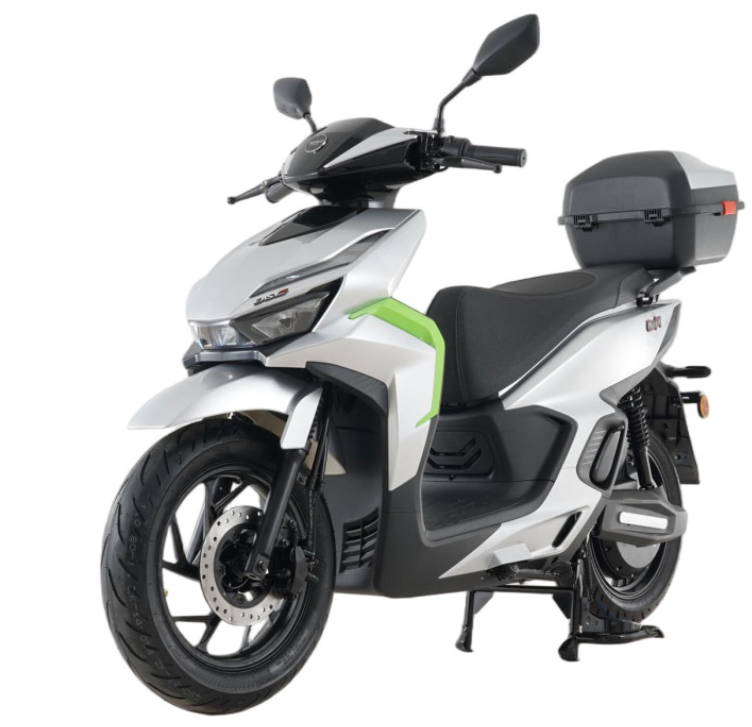
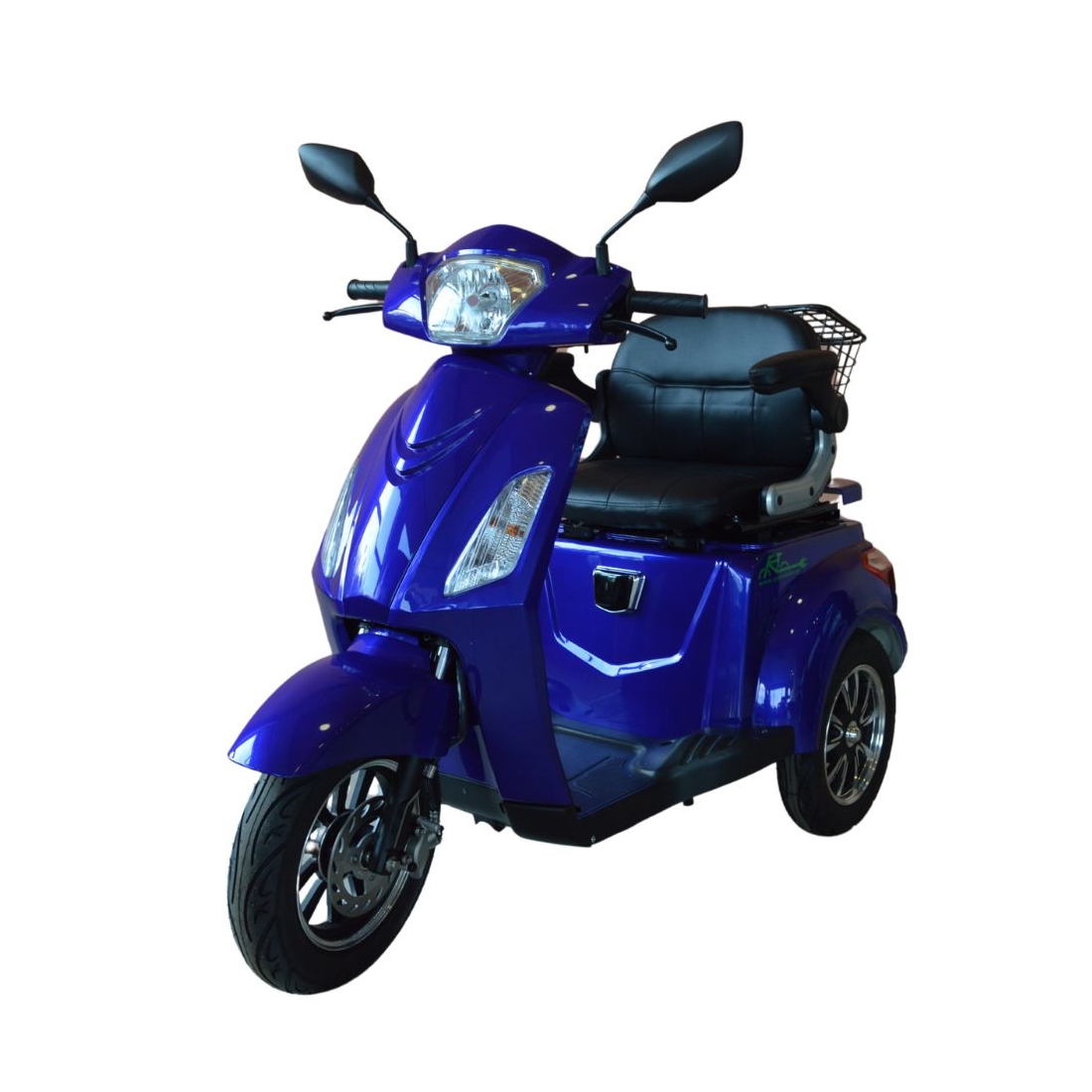
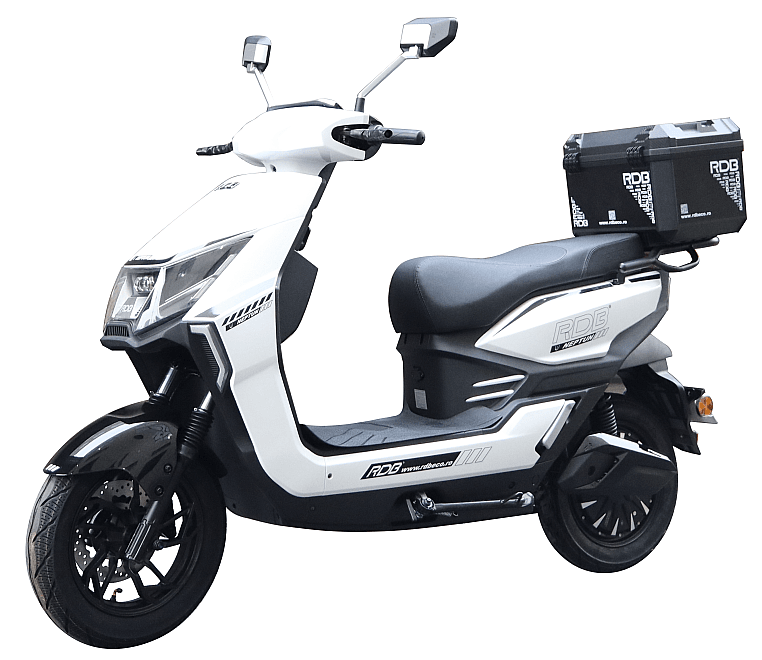
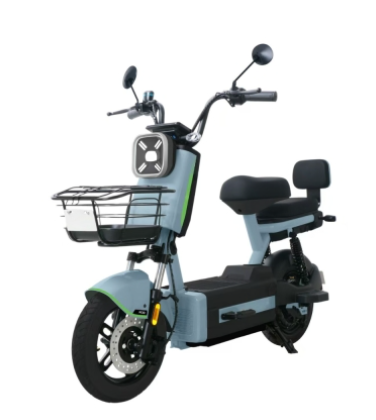
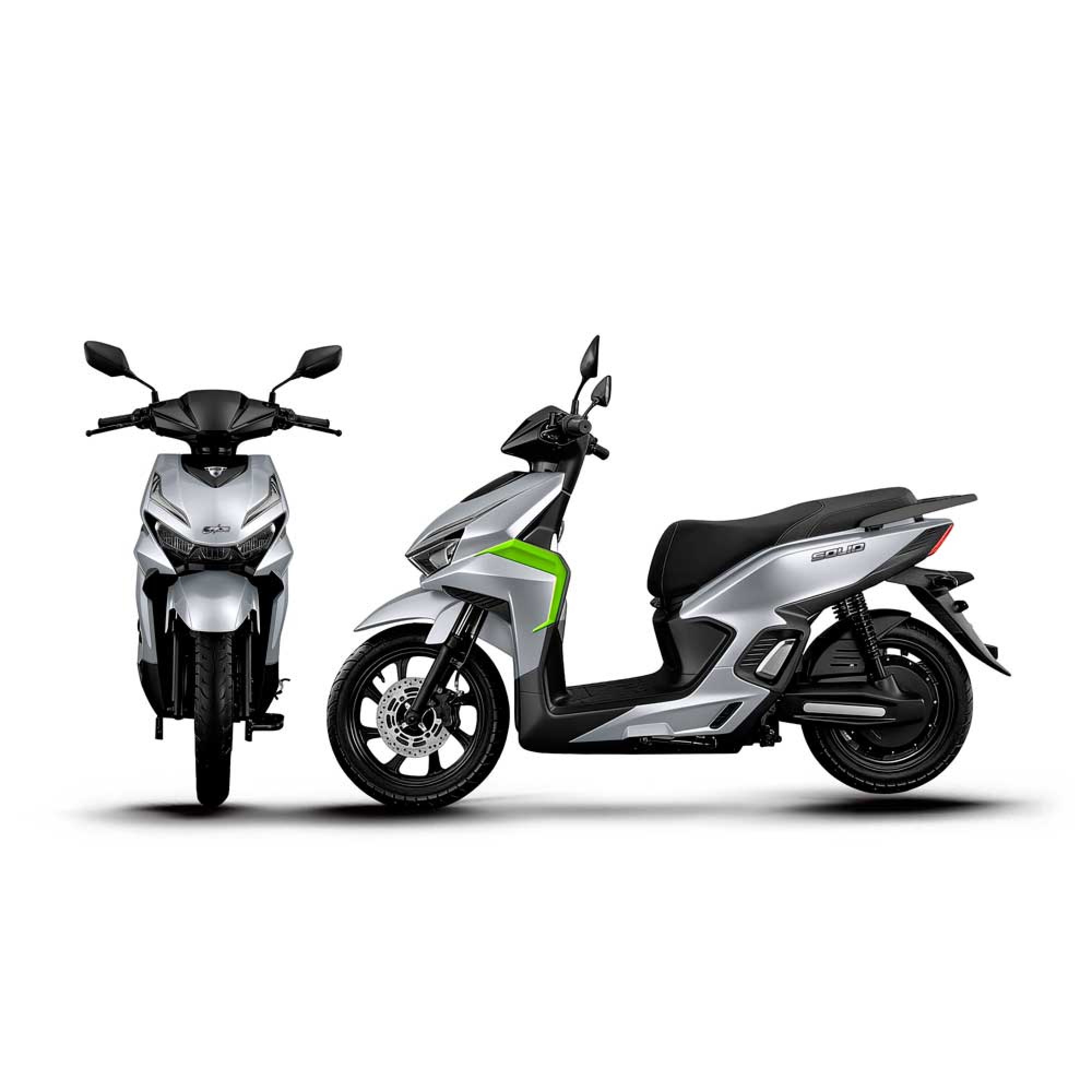
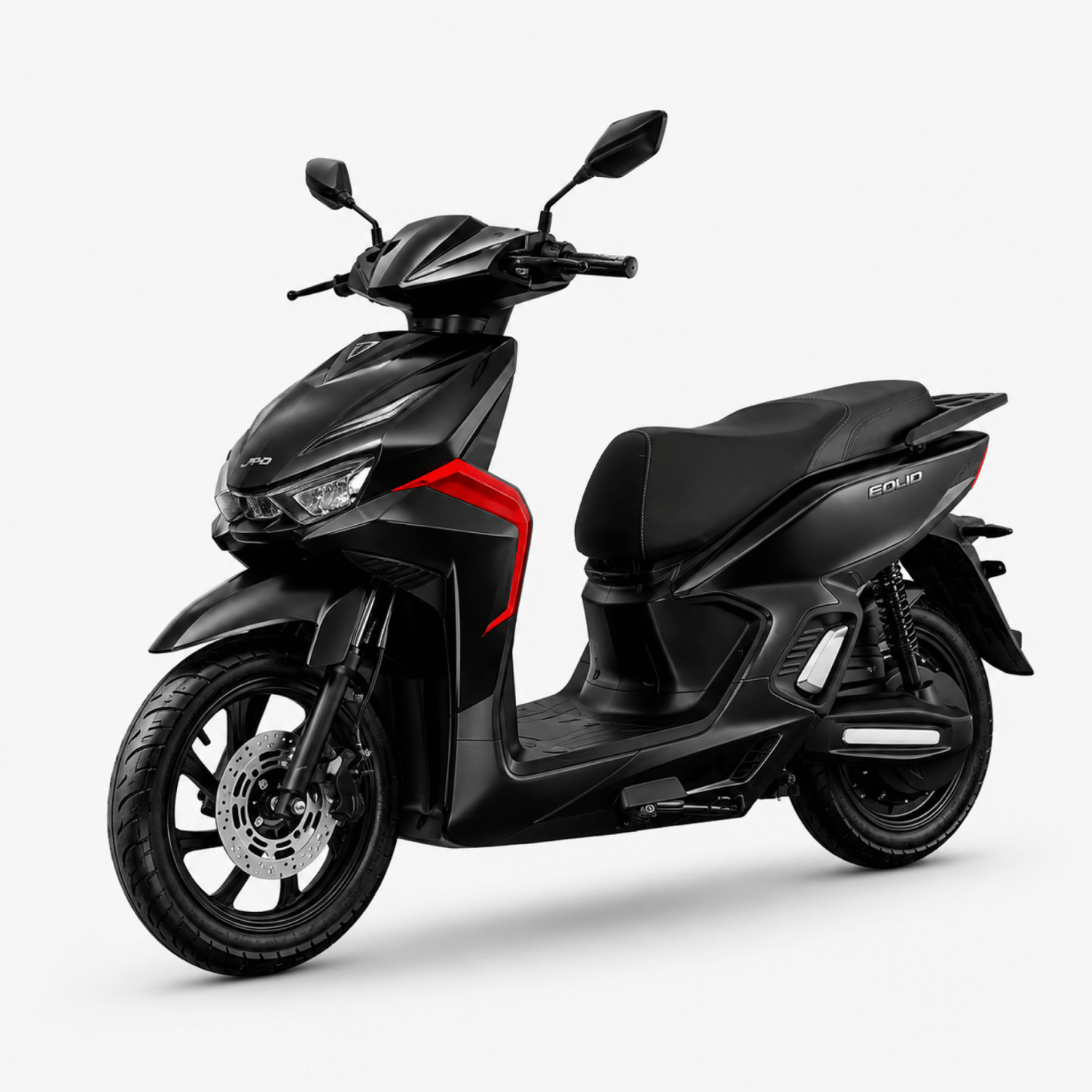
Electric Scooter E-RIDE SOLID 25km/h (72V/48AH) with 140km Range and Powerful 3100W motor
What about sodium-ion and solid-state batteries?
New technologies are also developing.
Sodium-ion batteries could become an interesting alternative to lithium because sodium is abundant and relatively inexpensive, but they are still uncommon in today's electric bikes and scooters.
Solid-state batteries could eventually provide better energy density and safety, but they are not yet a mainstream option for normal e-bike or scooter buyers.
For now, lithium, graphene-enhanced lead-acid and traditional lead-acid remain the technologies most consumers will encounter.
Which battery is best for an electric bike or scooter in Greece?
For most electric bike buyers, a removable lithium-ion battery is the most practical choice.
If you live in an apartment without ground-floor charging, this becomes even more important.
Choose NMC lithium if you want low weight, good range and a battery that is easy to carry.
Choose LiFePO4 if long lifespan is more important than minimum weight.
Choose graphene-enhanced lead-acid if you want a cheaper electric scooter and can charge the vehicle where it is parked.
Choose traditional lead-acid mainly if the lowest possible purchase price is your priority.