
.jpg)
Una luce per bicicletta non è semplicemente qualcosa che accendi quando fa buio.
The right lights make it easier for drivers, cyclists and pedestrians to notice you earlier — while a sufficiently powerful front light also helps you spot potholes, corners and obstacles before you reach them.
But bigger isn't always better.
A cyclist riding through a well-lit city needs something very different from someone cycling along an unlit road at night.
So how much light do you actually need?
First Question: Do You Need to Be Seen or See the Road?
This is the easiest way to choose a bike or scooter light.
There are essentially two jobs a light can perform:
Be seen:
A compact light makes your bicycle or scooter more noticeable to other road users.
See:
A stronger front light actually illuminates the road in front of you.
If you commute through brightly lit streets, your priority may mainly be visibility.
If you regularly ride through darker streets, countryside or poorly illuminated cycle paths, you need enough power to see what is coming.
Riding Around the City? Small Lights Can Make a Big Difference
In cities such as Athens, Thessaloniki, Milan or Amsterdam, many streets are already illuminated.
That means you don't necessarily need an enormous headlight.
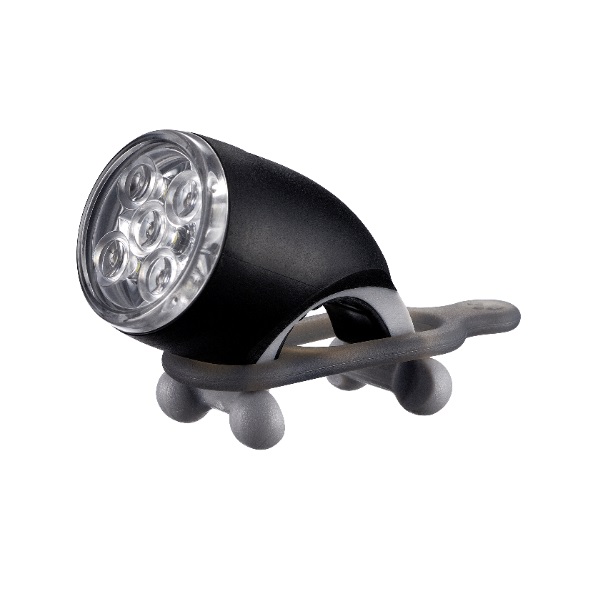
A small front LED combined with a clearly visible rear light can make you much easier to notice without adding much weight to your bicycle.
Compact lights are particularly useful for:
- Daily commuting
- Short evening trips
- Riding through well-lit streets
- Keeping a backup light in your bag
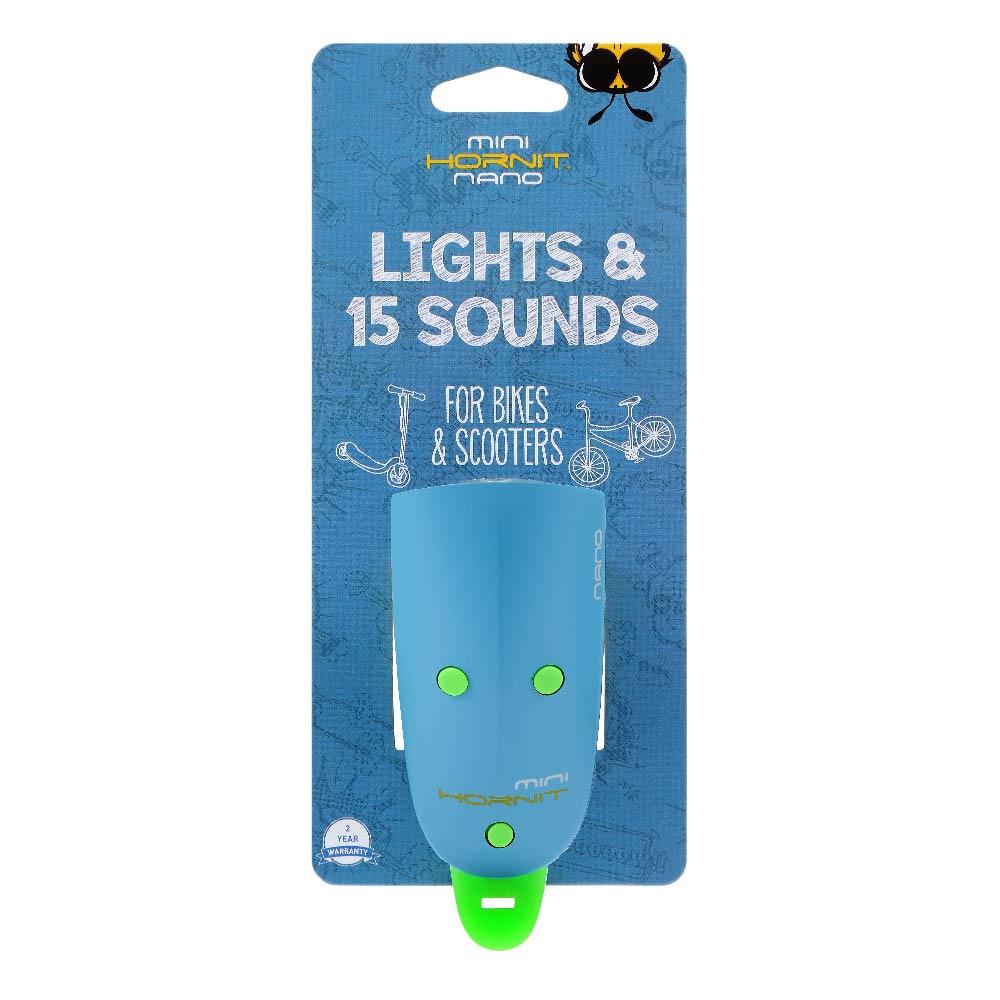
- Adding extra visibility to an electric scooter
- Daytime riding in poor weather
They are also easy to remove when you park your bike.
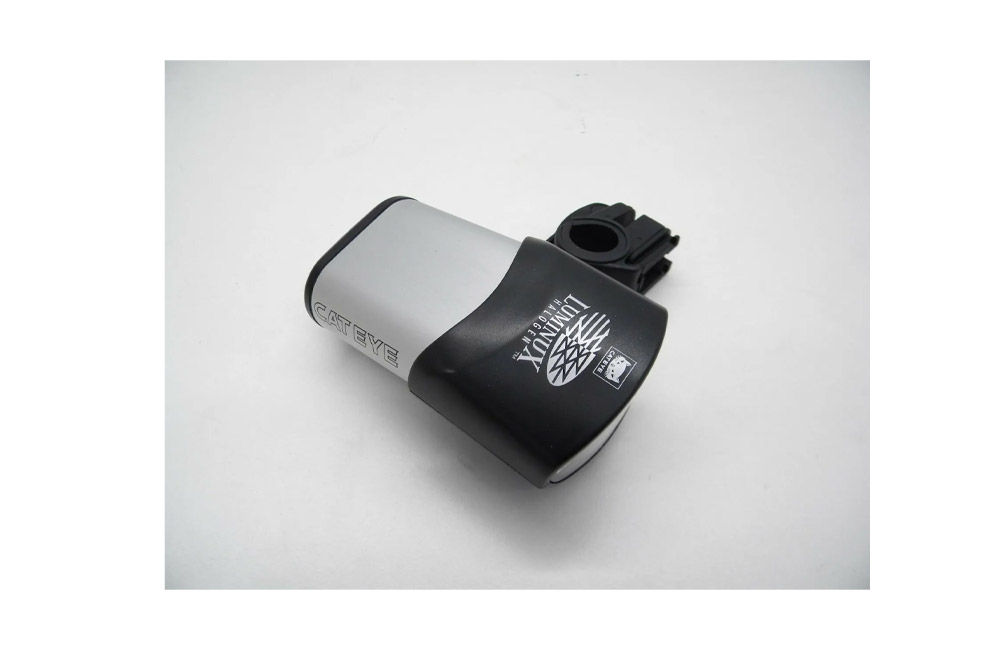
The bFlex collection includes compact LED lights and small front-and-rear sets for riders who mainly want additional visibility.
Riding Somewhere Dark? Look at Lumens
When the road itself needs illuminating, brightness becomes much more important.
Bike-light brightness is commonly expressed in lumens.
A simple way to think about it:
Around 50–100 lumens
Primarily useful for visibility.
These small lights work well on illuminated urban roads where your main concern is making sure others notice you.
Around 200–400 lumens
A useful step up for everyday commuting.
At this level, a front light starts doing more than making you visible. It can illuminate the road immediately ahead of you and help identify potholes, road markings and obstacles.
For example, the current bFlex range includes a 300-lumen rechargeable FORCE front light.
600–1,200+ lumens
These lights make more sense when you actually depend on your bicycle light to see.
Think:
- Dark country roads
- Unlit cycling routes
- Trails
- Early-morning rides
- Longer night rides
- Areas with limited street lighting
A powerful light can transform night riding, but aim it properly. A very bright front light pointing directly into oncoming traffic can create glare instead of making the road safer.
Rear Lights Have a Completely Different Job
Your rear light doesn't need to illuminate anything.
Its job is simply to make you visible from behind.
That is why even a physically small rear LED can be extremely useful.
A strong rear light is particularly important when sharing roads with cars because approaching drivers need to identify you early enough to adjust their speed and position.
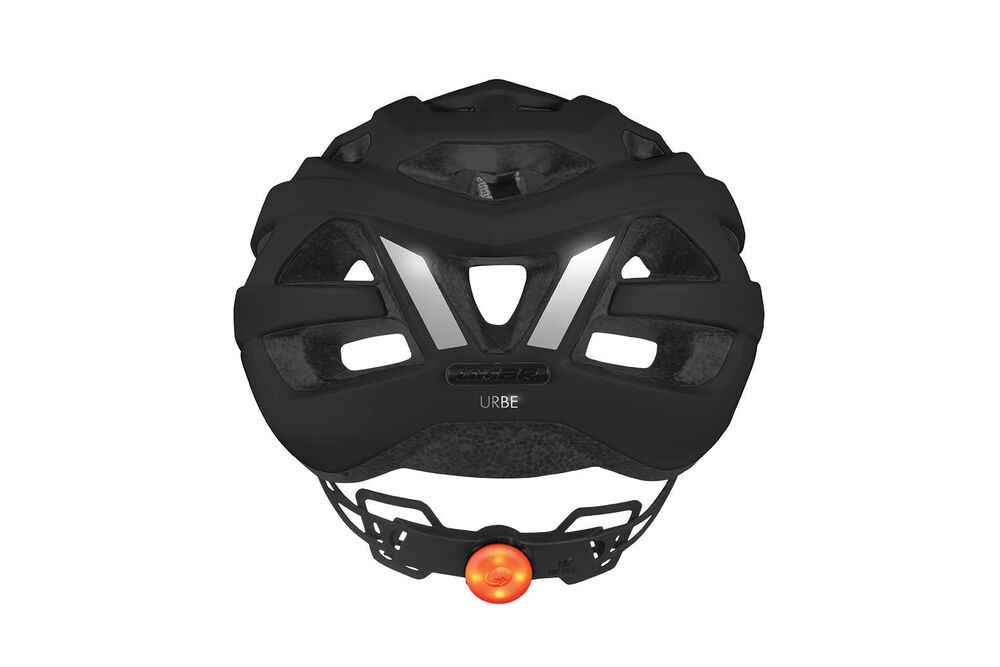
The bFlex selection includes compact USB rechargeable rear lights, including models with multiple steady and flashing modes.
For most riders, the basic setup remains simple:
White at the front. Red at the rear.
Why USB Rechargeable Lights Are So Convenient
One of the biggest improvements in modern bicycle lights isn't brightness.
It's charging.
USB rechargeable lights eliminate the need to continually buy disposable batteries.
You can charge many modern lights using:
- A laptop
- USB wall charger
- Power bank
- USB port at work
- Compatible vehicle USB socket
For commuters, that makes keeping your lights charged much easier.
Ride to work, remove the light, plug it in next to your phone and put it back on your bicycle before heading home.
Some smaller rear lights can also recharge relatively quickly because their batteries are much smaller than those found in powerful front lights.
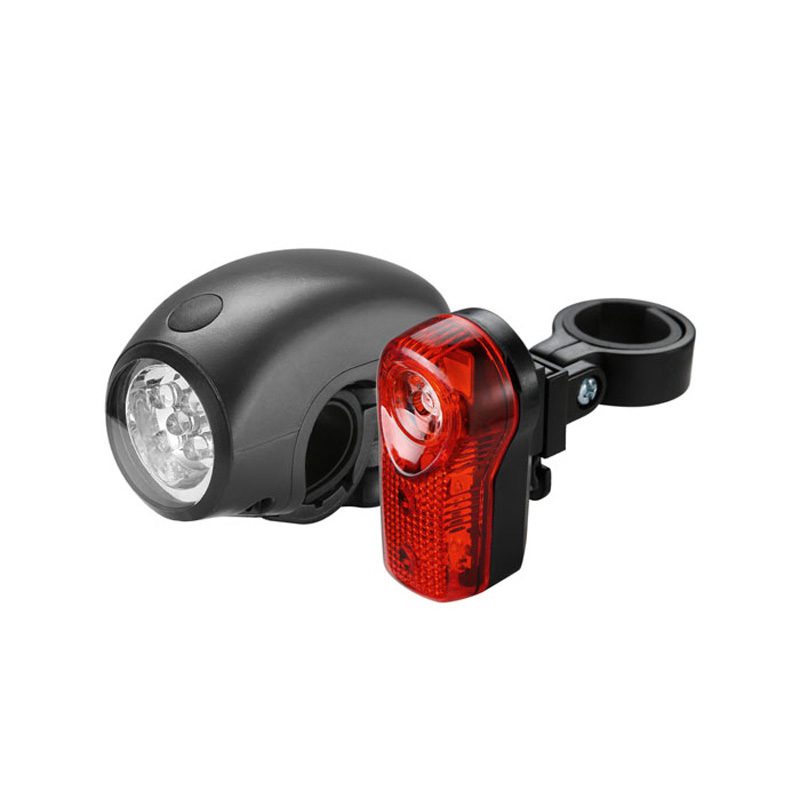
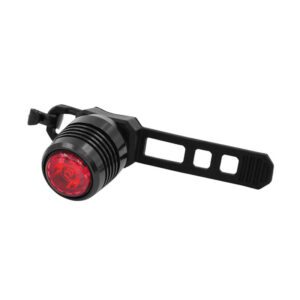
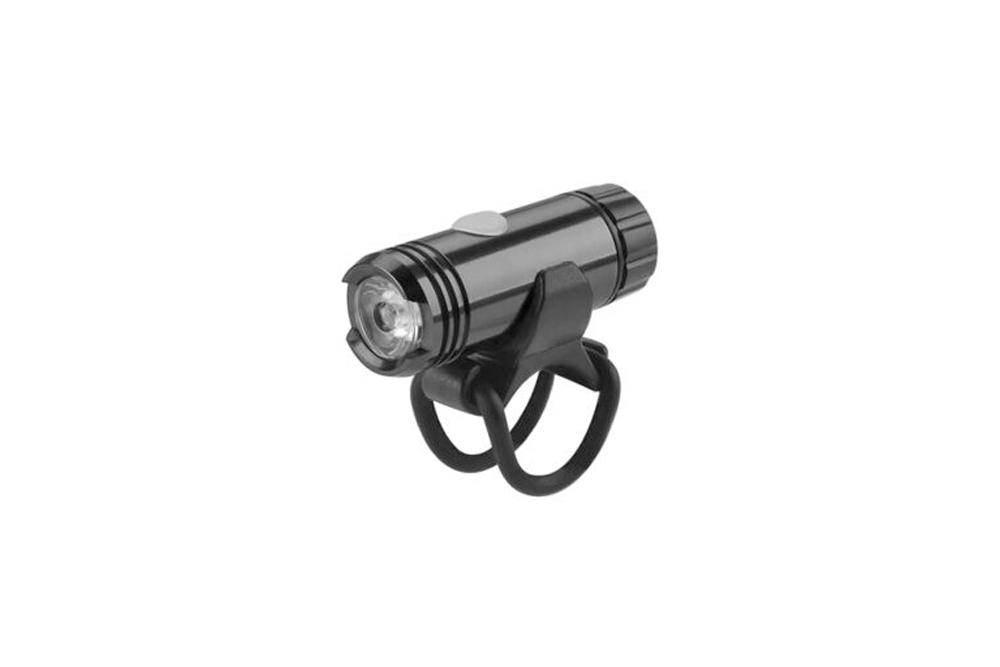
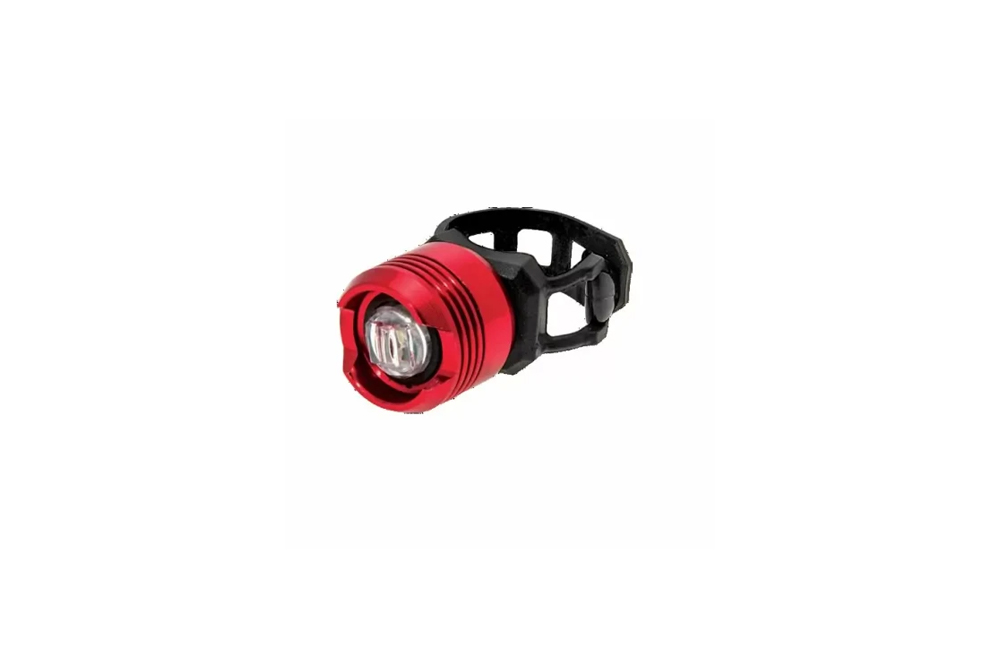
Luce Piccola o Luce Grande?
Piuttosto che acquistare semplicemente la luce più luminosa disponibile, considera come guidi effettivamente.
Scegli una luce piccola se:
Guida principalmente attraverso strade cittadine ben illuminate e vuoi aumentare la tua visibilità.
Scegli una luce anteriore media se:
Fai il pendolare regolarmente dopo il buio e vuoi sia visibilità che un po' di illuminazione della strada.
Scegli una luce potente se:
Guida su strade buie dove la tua luce deve mostrarti dove stai andando.
Considera due luci se:
Guida frequentemente di notte e vuoi sia una luce primaria che una di riserva.
Avere una seconda luce piccola può essere utile anche se la batteria principale si esaurisce inaspettatamente.
Non dimenticare la visibilità laterale
Il traffico non arriva sempre direttamente davanti o dietro di te.
Alle giunzioni e agli incroci, essere visibili di lato può essere altrettanto importante.
Pneumatici riflettenti, riflettori sulle ruote, riflettori sui raggi e abbigliamento riflettente possono completare le tue luci anteriori e posteriori.
Il movimento dei riflettori attaccati alle ruote della bicicletta è anche molto distintivo, rendendo più facile per un altro utente della strada riconoscere che stanno guardando un ciclista.
Biciclette Elettriche
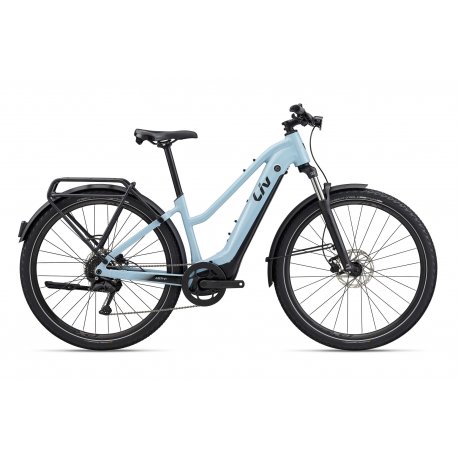
Liv Amiti E+ 4 Clear Sky – Bicicletta Elettrica Trekking & Gravel (2026)
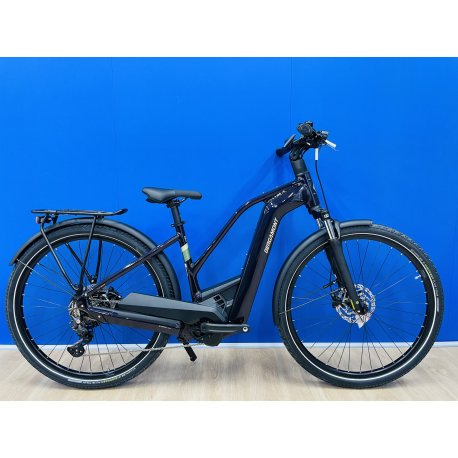
BERGAMONT E-Horizon Sport 6 Bicicletta Trekking Elettrica con Motore Bosch
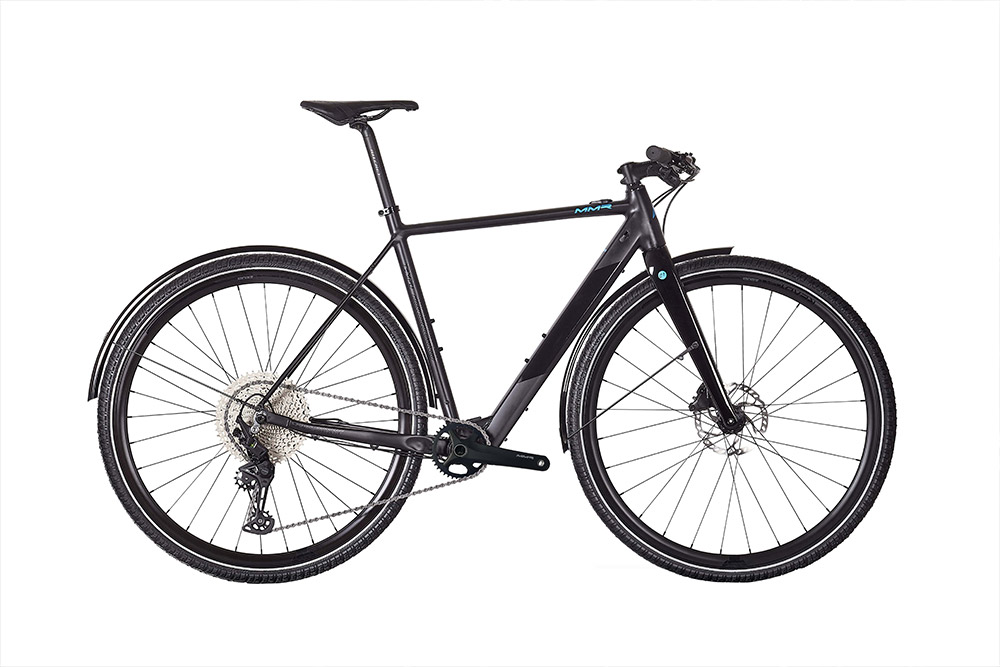
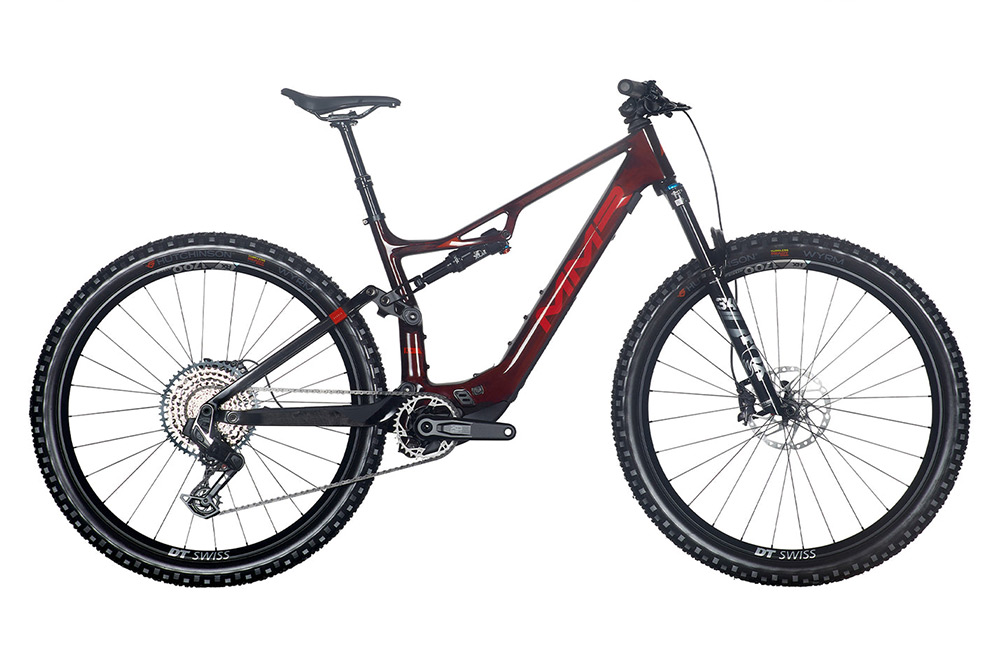
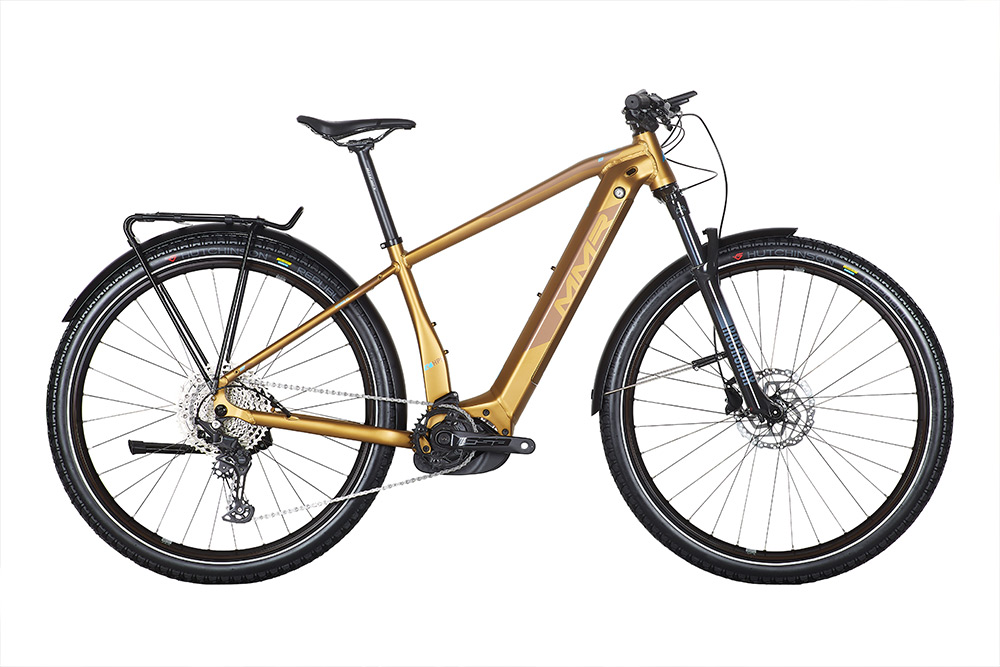
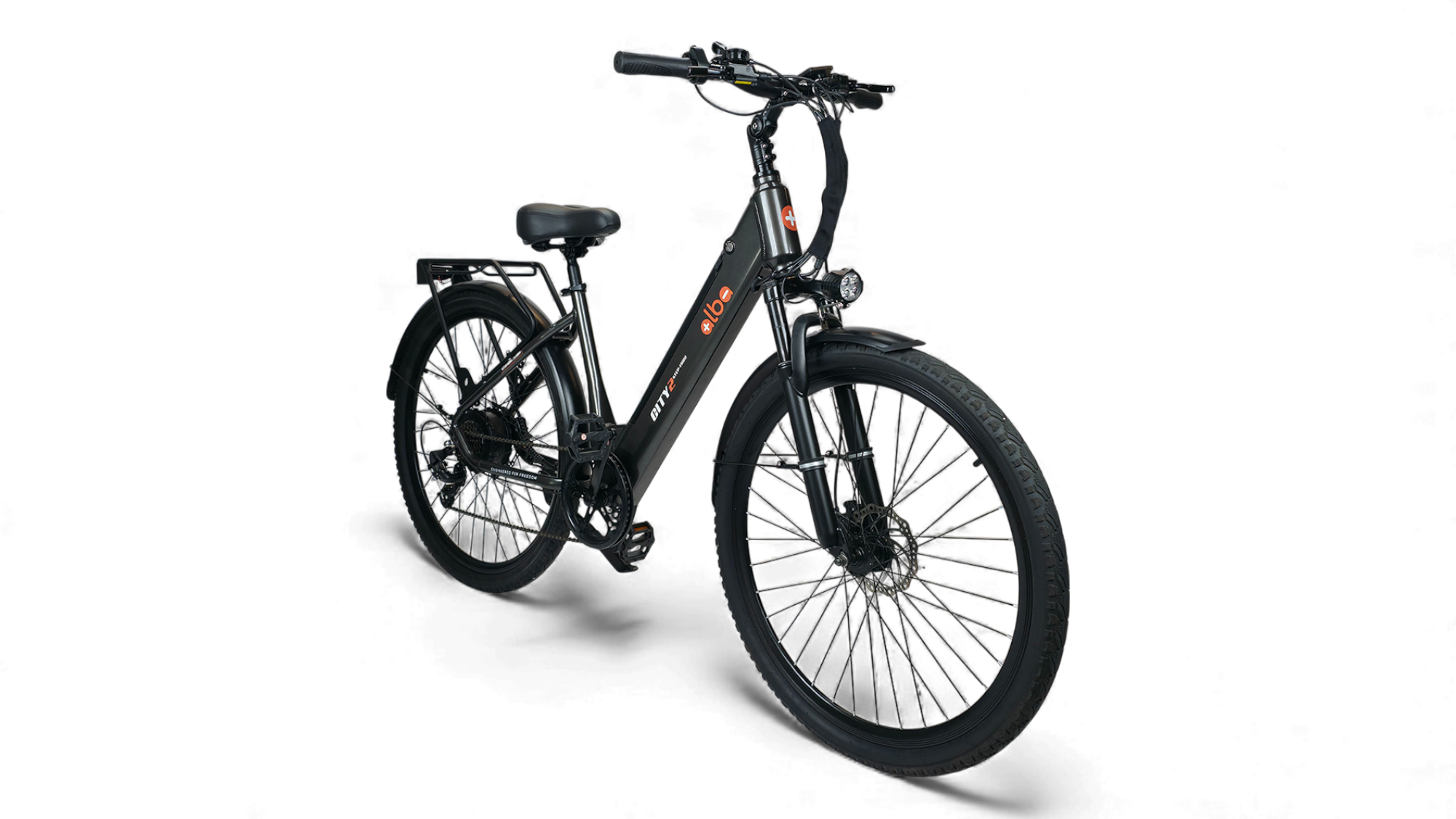
Che Dire dei Monopattini Elettrici?
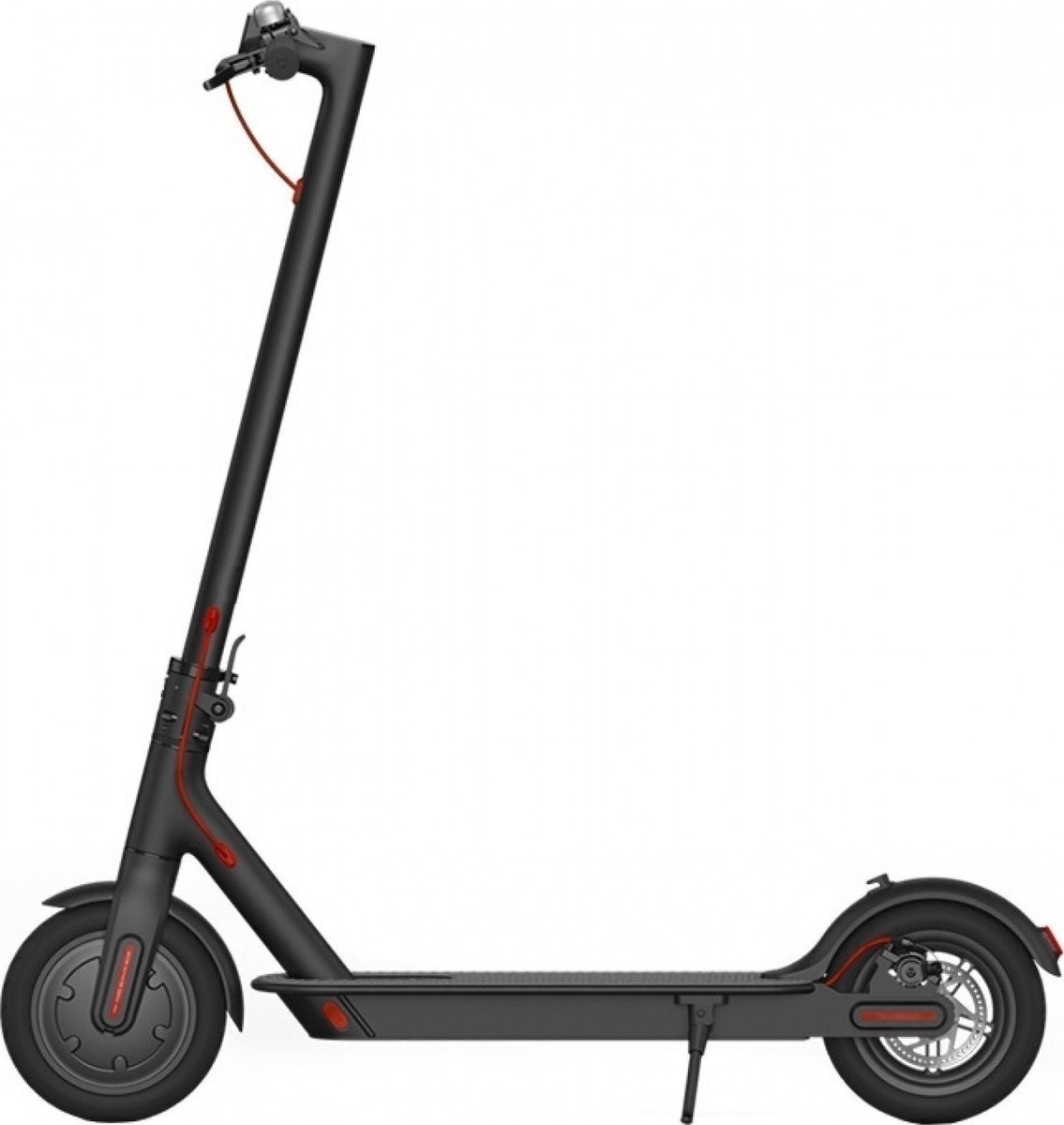
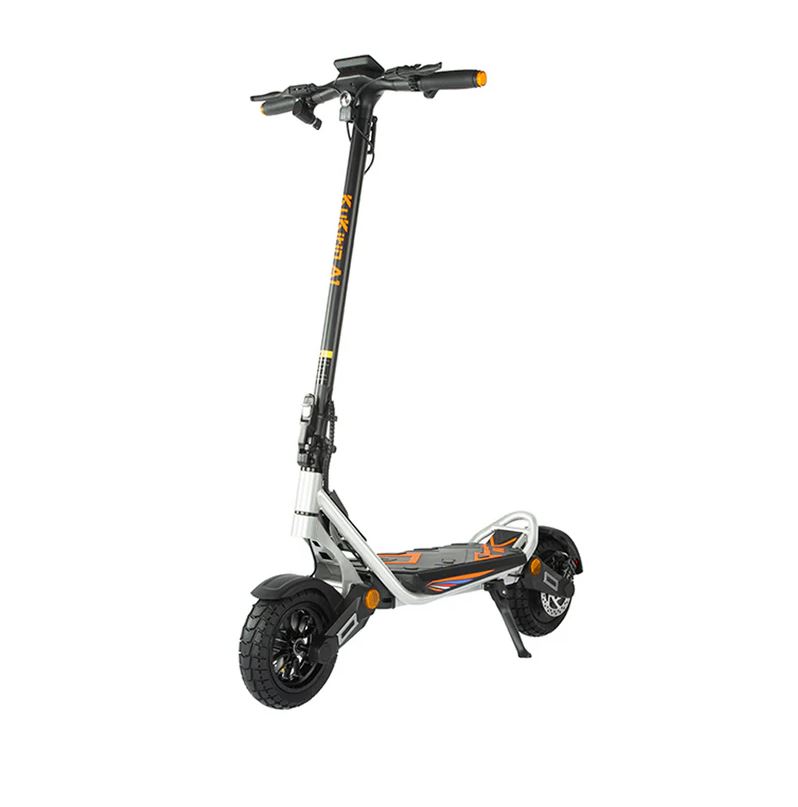
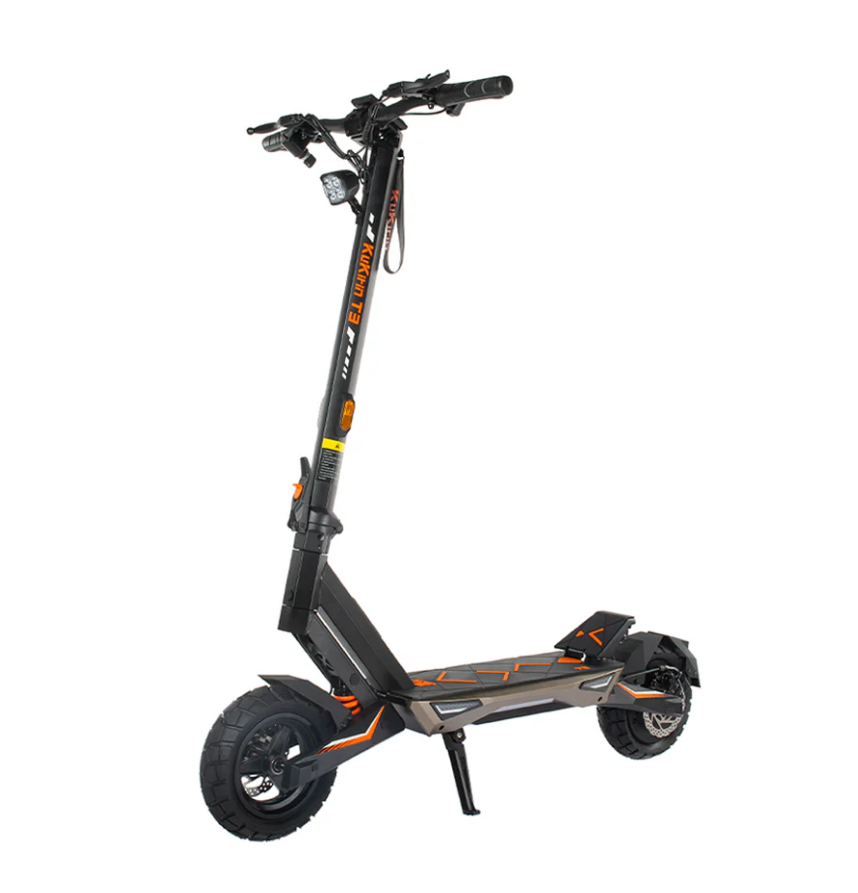
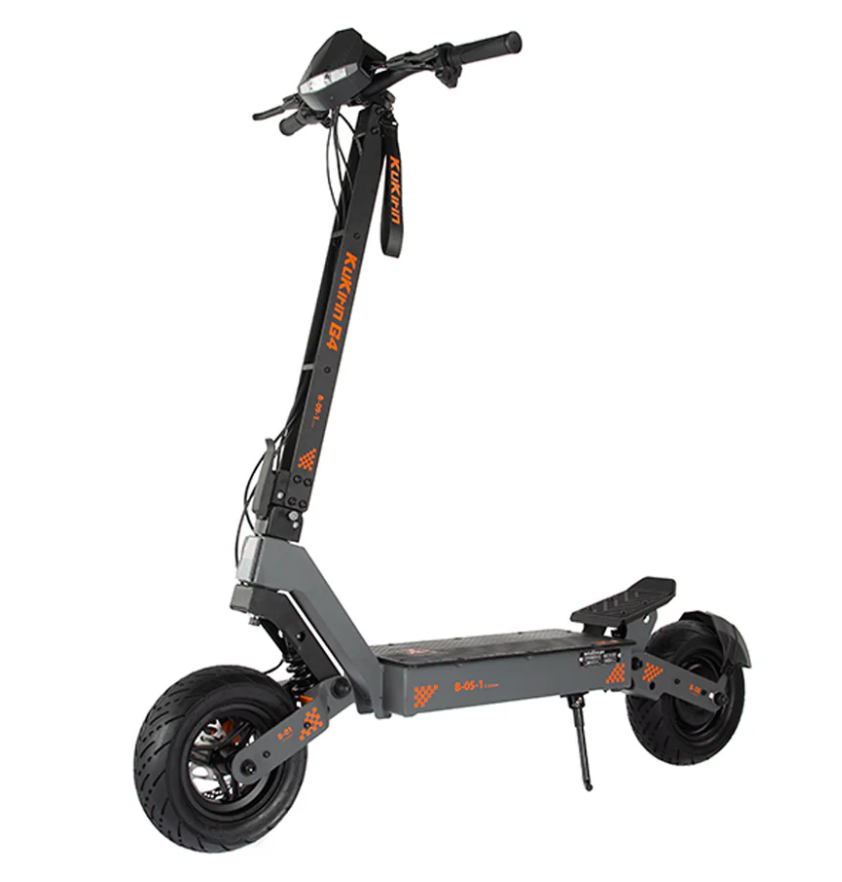
I monopattini elettrici solitamente hanno luci integrate, ma questo non significa sempre che la luce incorporata sia ideale per ogni situazione.
Una luce aggiuntiva sul manubrio può:
- Migliorare l’illuminazione della strada
- Aumentare la visibilità
- Fornire una luce di riserva se quella integrata si guasta
- Rendere il monopattino più visibile in condizioni meteorologiche avverse
Una piccola luce posteriore con clip può anche fornire un punto di visibilità aggiuntivo più in alto sul guidatore, sullo zaino o sui vestiti.
Prima di usare accessori per biciclette su un monopattino, assicurati che il sistema di montaggio sia sicuro.
Le luci possono migliorare significativamente visibilità e sicurezza
Il più grande beneficio in termini di sicurezza delle luci per biciclette è semplice: gli altri utenti della strada possono individuarti prima.
La ricerca lo supporta.
Uno studio danese su quasi 4.000 ciclisti ha scoperto che chi usava luci diurne permanenti aveva un 19% di incidenti in bici con lesioni personali in meno rispetto al gruppo di controllo.
Altre ricerche hanno dimostrato che gli automobilisti individuano i ciclisti più velocemente con luci posteriori rispetto a nessuna luce posteriore.
Le luci non possono eliminare il rischio di ciclismo, ma aumentare la distanza da cui un altro utente della strada ti può individuare dà loro più tempo per reagire.
Questo rende un buon sistema di illuminazione uno degli aggiornamenti più semplici che puoi fare a una bicicletta, e-bike o monopattino elettrico.
Un setup di illuminazione semplice per i ciclisti quotidiani
Non devi complicarti troppo.
Per la maggior parte dei pendolari, inizia con:
- Una luce anteriore bianca ricaricabile
- Una luce posteriore rossa ricaricabile
- Riflettori o dettagli riflettenti
- Potenza della luce anteriore sufficiente per le strade che usi realmente
Se esci regolarmente da strade illuminate, aggiorna la luce anteriore.
Se la maggior parte della tua guida è urbana, prioritizza comodità e visibilità.
Trova luci per bici & monopattini su bFlex
Che tu stia cercando un piccolo LED posteriore ricaricabile, una luce compatta per la città o una potente luce anteriore per strade più buie, puoi confrontare diverse opzioni di illuminazione per bici e monopattino da venditori su bFlex.
Esplora le luci per bici e monopattini:
https://bflex.io/services/buy/accessories?c-ids=103,118
Scegli la luce che si adatta al tuo ambiente di guida — non semplicemente il numero più grande sulla scatola.
Monopattini Elettrici
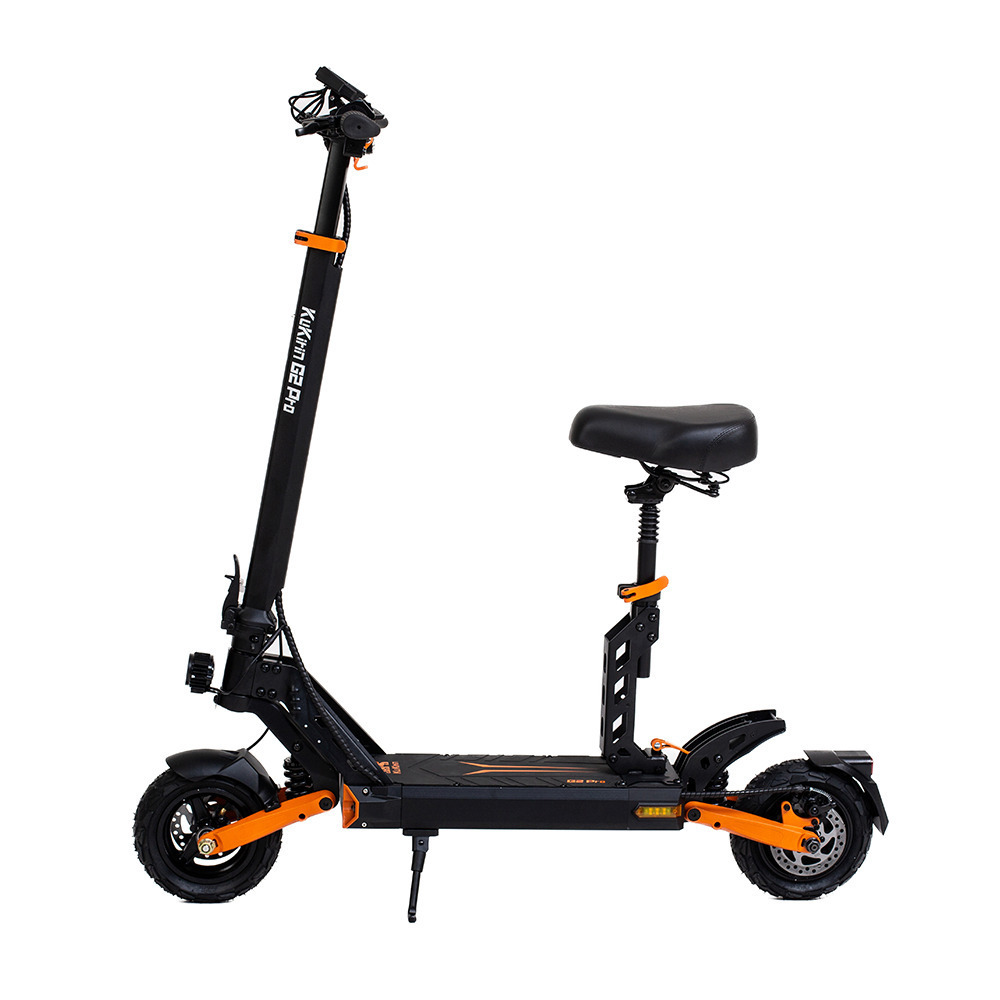
KuKirin G2 Pro Electric Scooter - Monopattino elettrico 600w - autonomia 58km
.jpg)
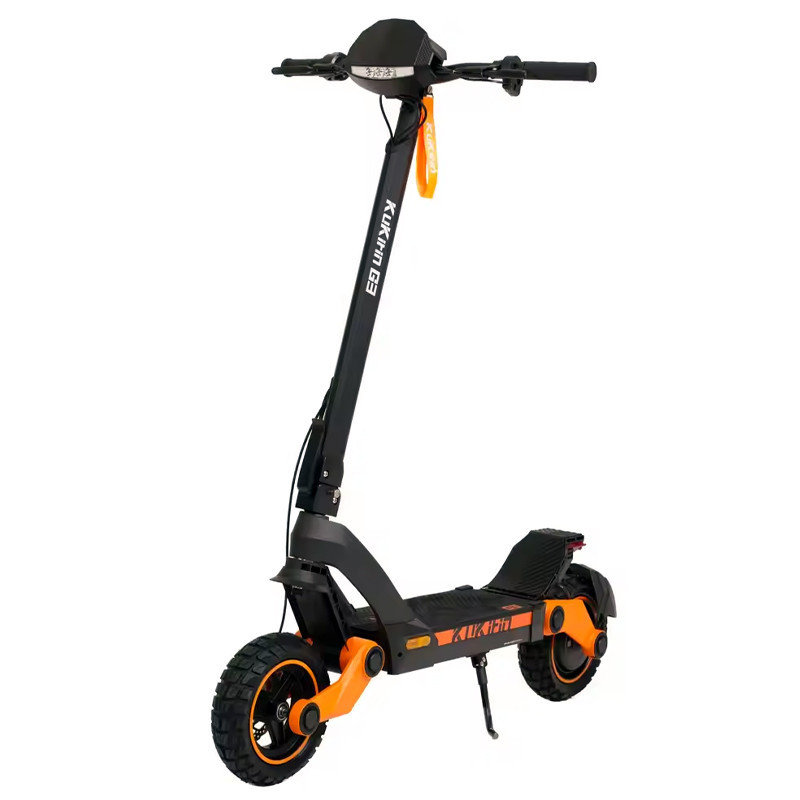
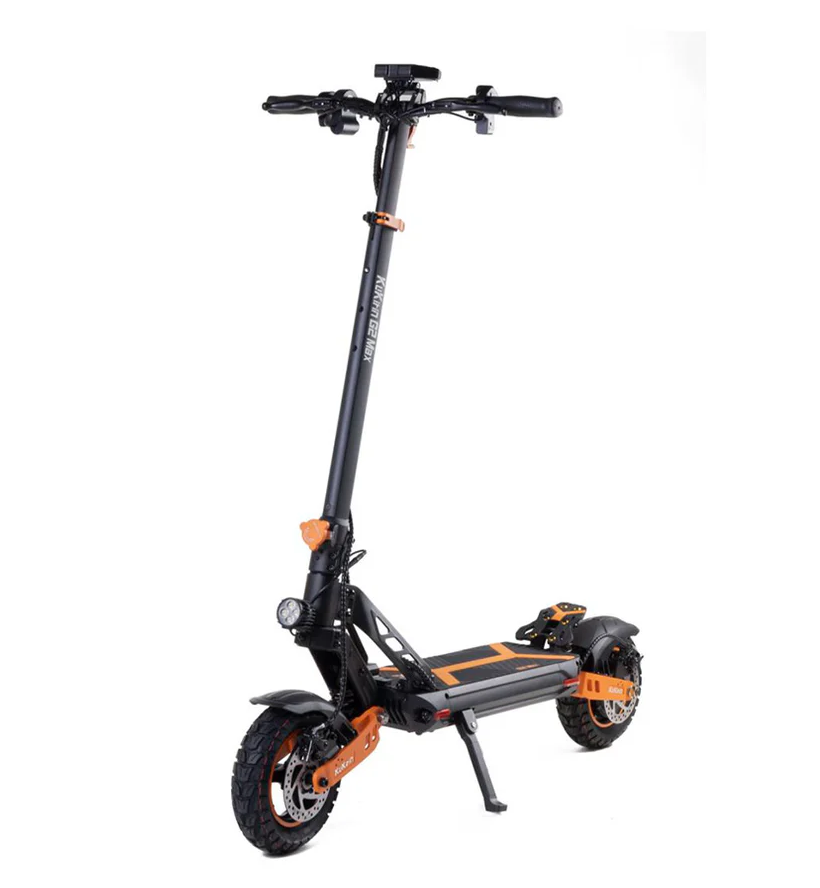
Monopattino Elettrico KuKirin G2 max 1000w - autonomia fino a 80 km