
.jpg)
Welke garantie krijgt u op een e-bike of elektrische scooter in Europa?
Buying an electric bike, electric scooter or electric moped is a significant purchase. And because these vehicles combine mechanical parts, electronics, batteries, controllers, motors and increasingly software, good after-sales support matters almost as much as the specifications on the product page.
But what happens if your motor stops working after eight months? What if your e-bike battery develops a fault? What if the manufacturer says the battery only has a one-year warranty? And who is actually responsible: the shop, the manufacturer or the online marketplace?
The answer starts with an important distinction: the EU legal guarantee and a manufacturer's commercial warranty are not the same thing.
The short answer: what warranty do you get on an e-bike or electric scooter in Europe?
If you are a consumer buying a new electric bike, e-scooter or electric moped from a professional seller in the EU:
- You have a minimum two-year legal guarantee against goods that are faulty or do not conform to what was agreed or advertised.
- Your primary legal claim is against the seller, not necessarily the manufacturer.
- Repair or replacement must normally be provided without cost to you.
- If repair or replacement is impossible, is not completed within a reasonable time, or causes significant inconvenience, you may have the right to a price reduction or refund.
- A manufacturer's warranty is additional. It cannot take away your statutory consumer rights.
- Batteries, motors, controllers and other components are not automatically excluded simply because a manufacturer's separate warranty document gives them different commercial warranty terms.
- Normal wear, accidental damage, misuse and normal battery degradation are different from a defect or lack of conformity.
EU consumer rules provide at least two years of legal guarantee protection from delivery. If a problem appears within the first year, EU rules generally presume that the lack of conformity already existed when the product was delivered unless the seller can prove otherwise. Some countries provide even stronger protection.
Legal guarantee vs manufacturer warranty: what is the difference?
This is where much of the confusion starts.
The legal guarantee
The legal guarantee of conformity is a right provided by law.
You do not need to buy an extended warranty. It does not need to appear on a warranty card. A seller cannot simply decide that it does not apply.
If an electric bike, scooter or moped is faulty, does not function as reasonably expected, or does not correspond with the characteristics under which it was sold, the seller can be responsible under the legal guarantee.
The minimum EU period is two years from delivery.
A commercial or manufacturer's warranty
A commercial warranty is an extra promise made by a manufacturer, importer or seller.
For example, a manufacturer might advertise:
- 3-year frame warranty
- 2-year motor warranty
- 1-year battery commercial warranty
- 5-year warranty on certain components
The exact conditions of that commercial warranty can vary.
However, a commercial warranty cannot replace or reduce the consumer's legal guarantee rights. A statement such as “battery warranty: 12 months” does not automatically mean that the seller has no legal responsibility if the battery suffers a manufacturing defect in month 18.
That distinction is extremely important when buying an e-bike or electric scooter.
Does the EU two-year guarantee cover the battery?
Potentially, yes.
An e-bike or electric scooter battery is part of the product you purchased. It is therefore not simply outside consumer protection because it is a battery.
But this does not mean that a battery is guaranteed to retain 100% of its original capacity for two years.
Lithium-ion batteries naturally lose capacity through age, charging cycles, temperature, storage conditions and use. Normal degradation is not necessarily a defect.
A legal guarantee claim becomes more relevant when, for example:
- the battery stops functioning unexpectedly;
- cells or the battery management system fail prematurely;
- the battery will no longer charge due to a manufacturing fault;
- capacity collapses far beyond what could reasonably be considered normal degradation;
- the battery was materially different from what was advertised or agreed.
This needs to be assessed case by case.
So when you see a separate “12-month battery warranty”, remember that this may describe the manufacturer's commercial warranty. It does not by itself cancel your statutory rights against the seller.
What about the motor, controller, display and charger?
The same principle applies.
An electric mobility vehicle is a system. Depending on the product, that system can include:
- motor;
- controller;
- battery and BMS;
- charger;
- display;
- wiring;
- sensors;
- throttle where legally permitted;
- lights;
- electronic locks;
- GPS or IoT hardware;
- Bluetooth modules;
- mobile-app functionality.
If one of these components fails because the product was not in conformity with the sales contract, statutory consumer rights may apply.
A manufacturer's commercial warranty can define additional coverage for individual components, but it cannot remove the legal rights you already have against the seller.
Elektrische Fietsen
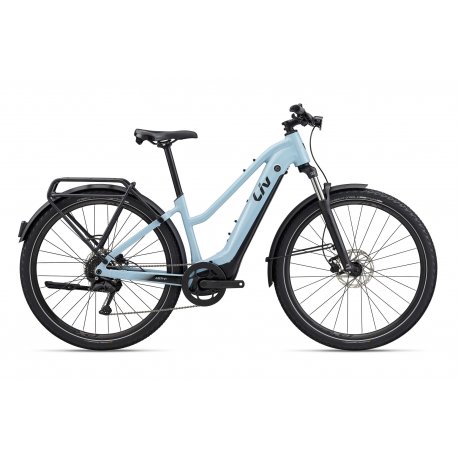
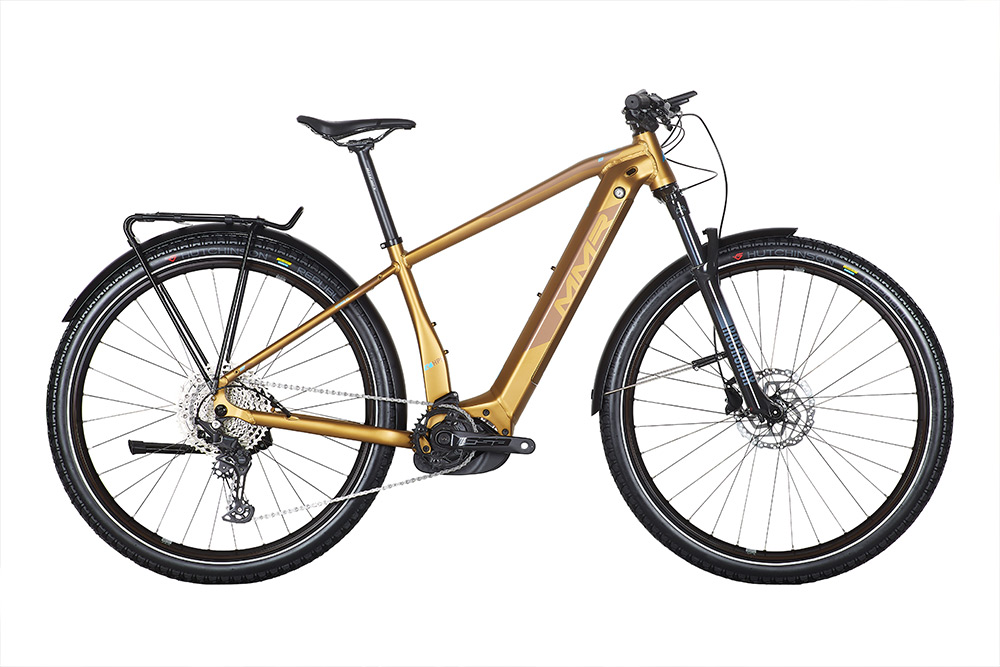
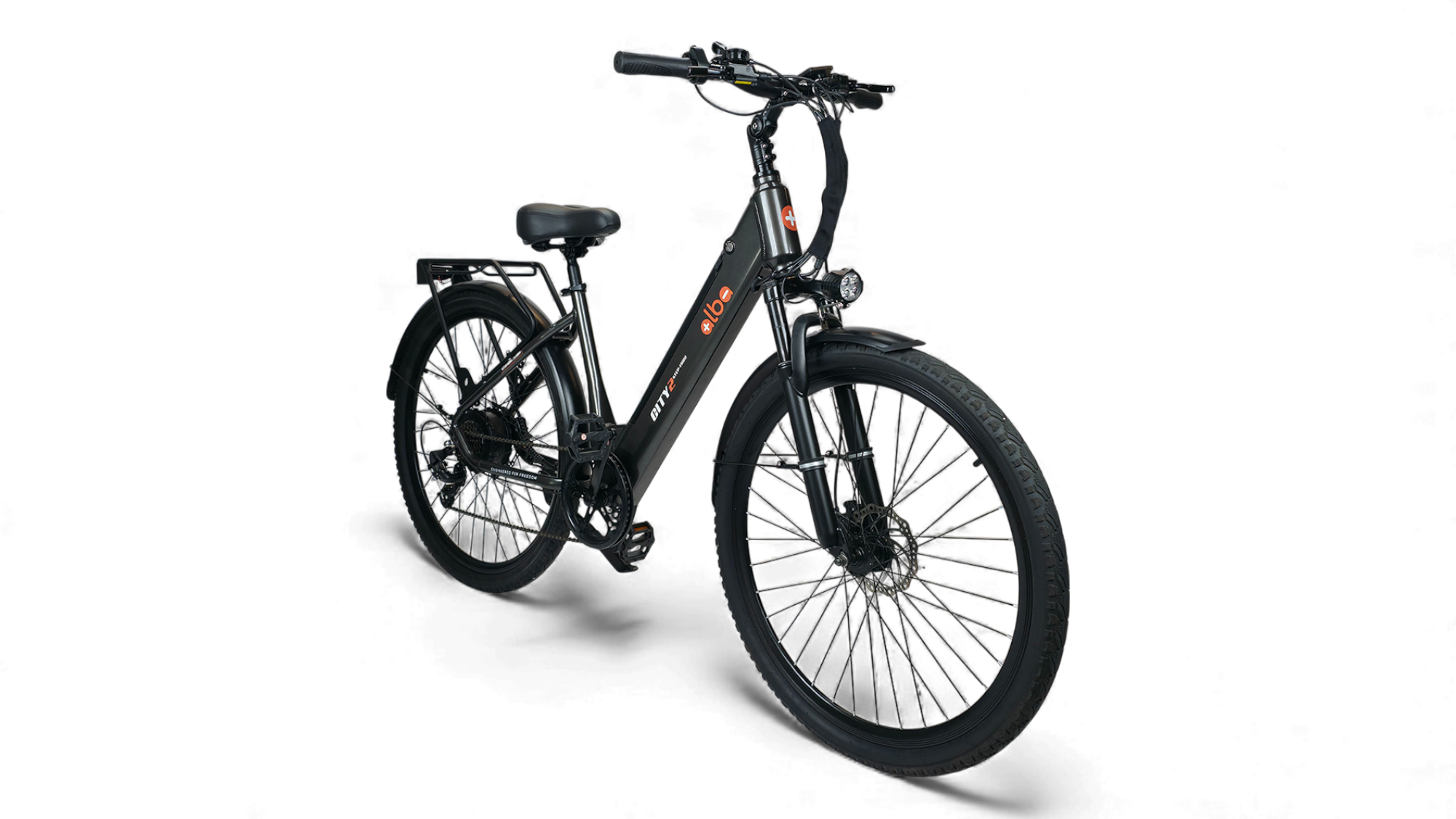
Liv Amiti E+ 4 Clear Sky – Elektrische Trekking- & Gravelfiets (2026)
BERGAMONT E-Horizon Sport 6 Elektrische Trekkingfiets met Bosch Motor
Wie is verantwoordelijk wanneer er iets misgaat?
For the EU legal guarantee, your first point of responsibility is normally the professional seller from whom you bought the product.
That matters when buying through an online marketplace.
A seller cannot necessarily solve a warranty complaint simply by saying:
“Contact the manufacturer.”
The seller may work with the manufacturer, distributor or authorised service centre to diagnose and repair the product, but the EU legal guarantee creates obligations for the seller toward the consumer.
The manufacturer may separately have obligations under its own commercial warranty.
This is why, when comparing electric bikes or scooters, it is worth checking not only the brand but also who is selling the vehicle and how that seller handles after-sales service.
What should happen during an e-bike or scooter warranty claim?
If there is a genuine lack of conformity, the normal first remedies are repair or replacement.
These remedies must be completed free of charge, within a reasonable time and without causing significant inconvenience to the consumer. Under EU law, “free of charge” includes necessary costs such as postage, carriage, labour and materials required to bring the product into conformity.
In practical terms, good after-sales handling should look something like this:
- You report the problem to the seller and describe the symptoms.
- The seller may request photos, videos, error codes or diagnostic information.
- If remote diagnosis is insufficient, the vehicle or component may need to be inspected.
- The seller or its service partner determines the cause of the problem.
- If covered by the legal guarantee, the product is repaired or replaced without cost to the consumer.
- If the seller cannot properly resolve the problem within a reasonable period, other remedies such as a price reduction or refund may become available.
A seller is allowed to investigate whether a defect actually exists and what caused it. A warranty claim does not mean that every damaged component must automatically be replaced without inspection.
When can you ask for a refund instead of a repair?
EU consumer law generally gives repair and replacement an important role before moving to a refund.
However, a price reduction or termination of the contract can become available when, for example:
- repair or replacement is impossible;
- the seller refuses to provide an appropriate remedy;
- the seller fails to repair or replace the product properly;
- the problem reappears after an attempted repair;
- the defect is sufficiently serious;
- the remedy cannot be completed within a reasonable time or without significant inconvenience.
Greece provides an additional useful rule: where a lack of conformity becomes apparent within 30 days of delivery and the buyer informs the seller without culpable delay, this can provide grounds for a price reduction or, where the lack of conformity is material, withdrawal from the contract.
That should not be confused with the separate 14-day online cancellation right.
Greece: stronger rules for repairs from July 2026
Greek consumer law changed in 2026 following implementation of the EU Right to Repair Directive.
For sales contracts concluded from 31 July 2026, if repair is selected as the remedy for a lack of conformity, Greek law provides a three-year limitation period for the buyer's relevant rights concerning movable goods.
This does not mean that every electric bike or scooter sold in Greece now automatically has a general three-year warranty.
The three-year rule is connected specifically to cases in which repair is chosen as the remedy. The provisions apply to sales contracts concluded from 31 July 2026 and not to contracts concluded before that date.
In other words, the standard message remains:
EU legal guarantee: minimum two years.
But consumers in Greece can now receive additional protection when they choose repair in applicable cases.
Elektrische Step
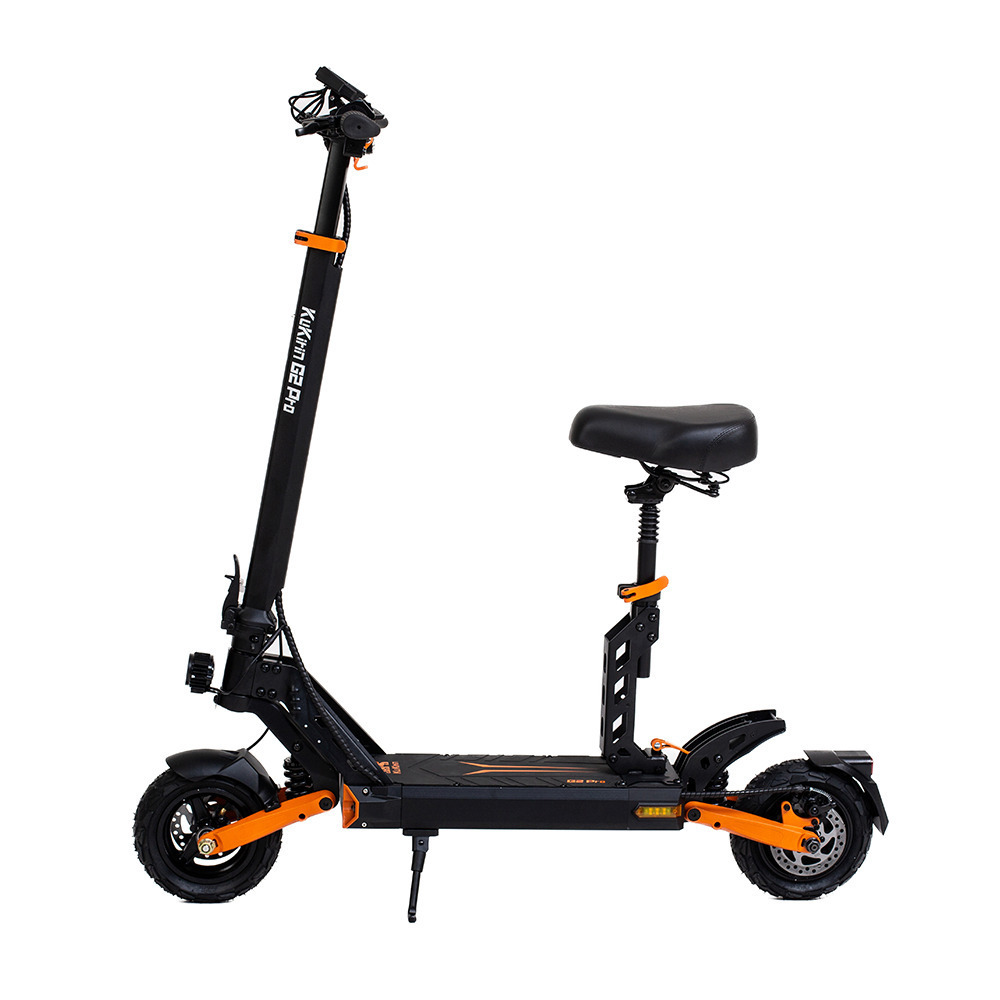
KuKirin G2 Pro Elektrische Scooter - Elektrische step 600w - bereik 58km
.jpg)
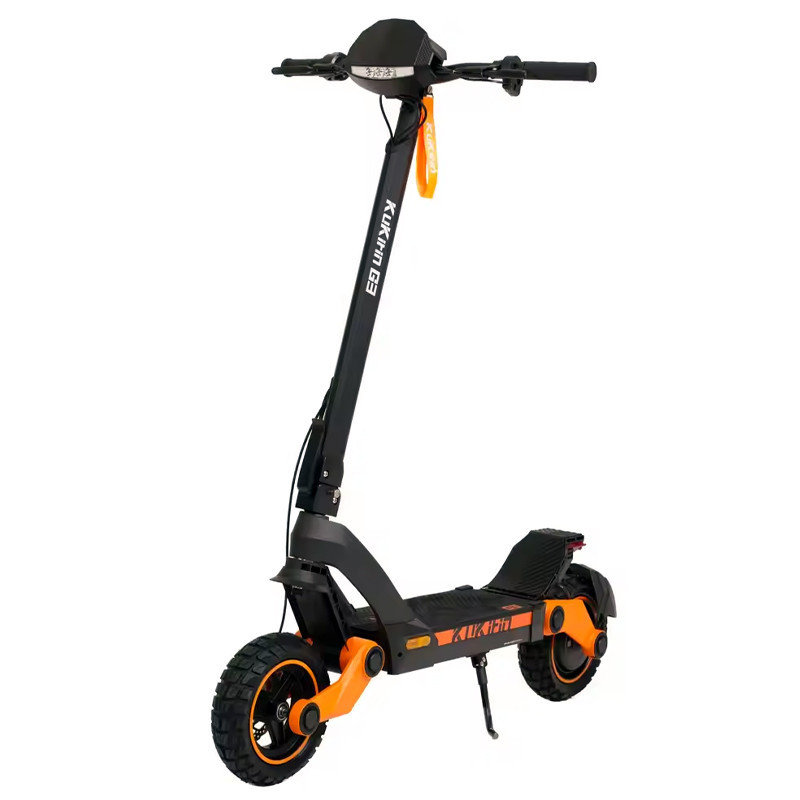
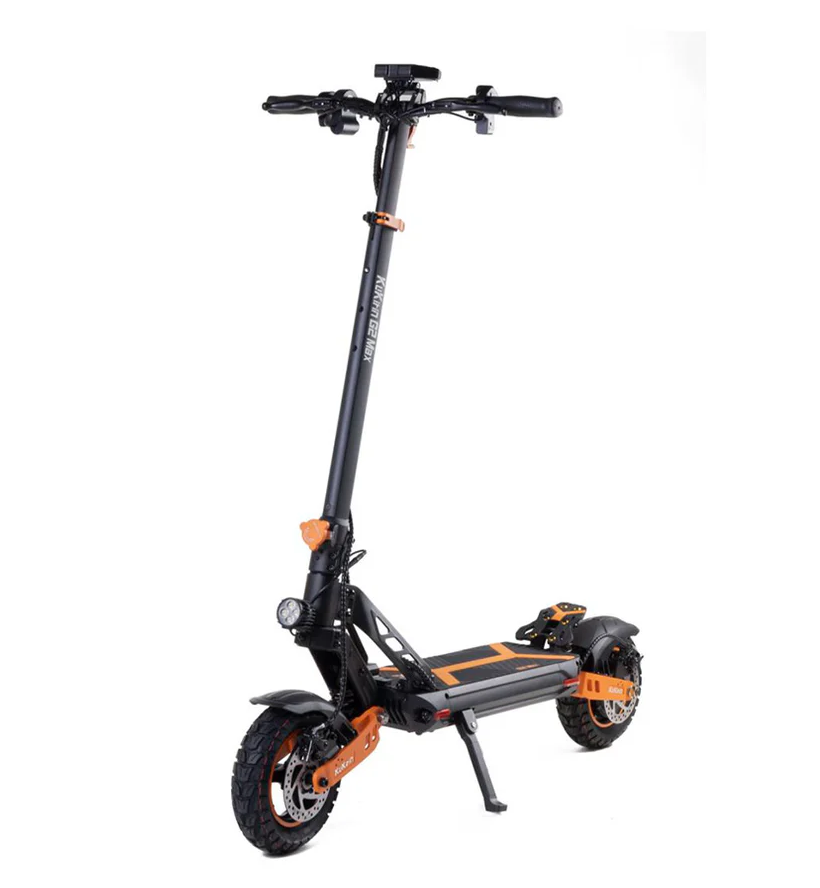
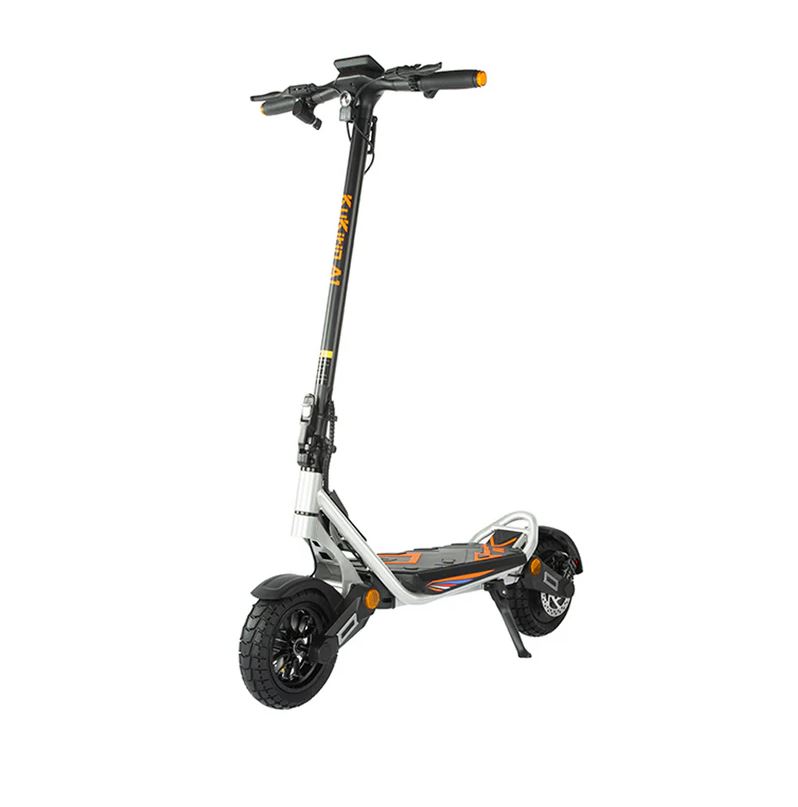
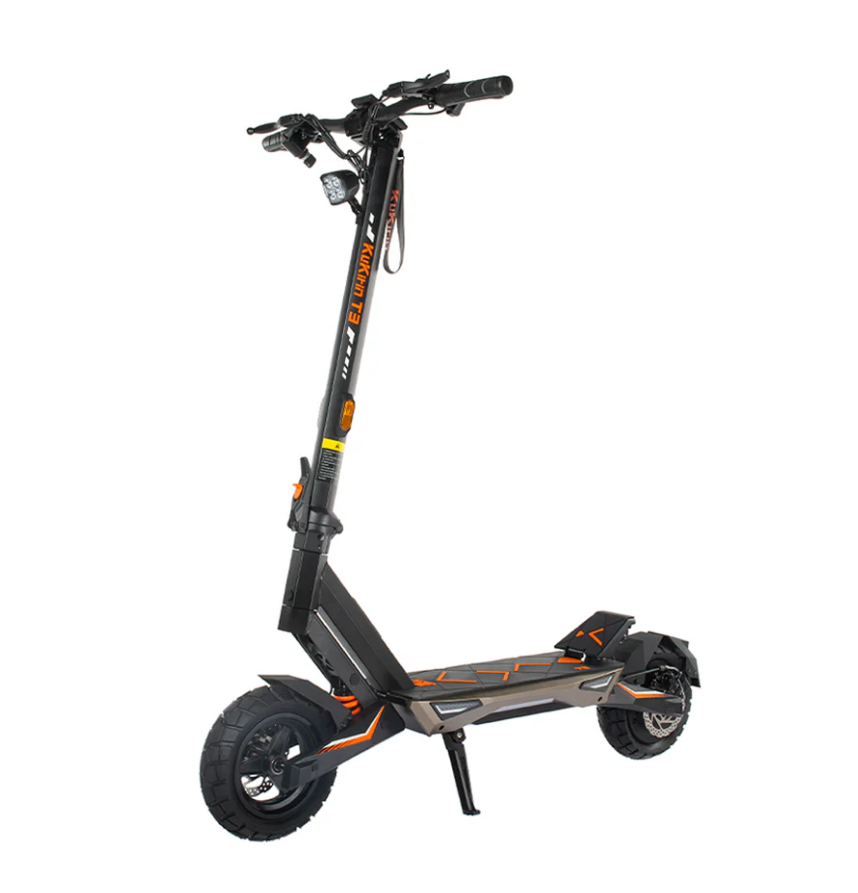
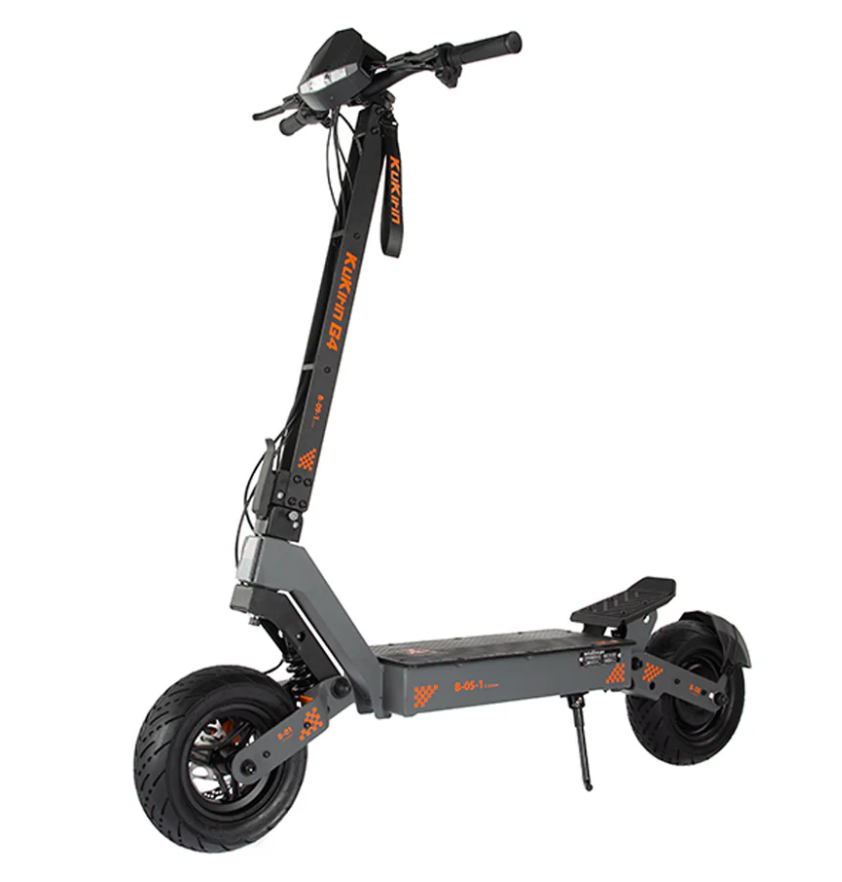
KuKirin G4 Electric Scooter - Ηλεκτρικό πατίνι 2000w - αυτονομία εως 75km
Welke after-sales ondersteuning moet beschikbaar zijn in Griekenland?
Greece also has specific rules concerning technical support for durable consumer goods.
For new durable consumer goods, Greek legislation requires producers and sellers to ensure access to technical services for maintenance and repair and reasonably easy access to necessary spare parts for at least two years after delivery. Greek rules also require appropriate instructions regarding use and maintenance.
This is particularly relevant for electric mobility.
An inexpensive electric bike can quickly become an expensive purchase if nobody can obtain:
- a replacement display;
- a controller;
- a compatible charger;
- a battery;
- sensors;
- proprietary electronic components;
- replacement keys or locks;
- model-specific mechanical parts.
That is why after-sales infrastructure should be part of your buying decision, not something you investigate only after a breakdown.
Does Greece require a replacement vehicle while yours is being repaired?
Not in every repair situation.
However, Greek law contains additional protection where a product is being repaired under a commercial guarantee. If the required repair takes more than 15 working days, the consumer can request temporary replacement of the product for the duration of the repair.
The 2026 repair rules also allow a seller, taking into account the nature of the product and the consumer's need for continued use, to make a replacement product available free of charge during repair. That provision should not be interpreted as a universal obligation to provide a loan vehicle in every repair case.
For someone who depends on an e-bike or e-moped for daily transport or delivery work, this distinction can be important.
What is usually NOT covered by an e-bike or scooter guarantee?
A legal guarantee protects against a lack of conformity. It is not general insurance against everything that can happen to a vehicle.
Examples that will normally require a different assessment include:
Normal wear
Parts such as:
- brake pads;
- tyres;
- inner tubes;
- chains;
- sprockets;
- brake discs;
- grips;
naturally wear during use.
Normal wear is not automatically a warranty issue. However, a component that fails abnormally early because of a manufacturing or assembly defect may be a different situation.
Accidents and external damage
Crashes, bent wheels, damaged frames caused by impact, broken displays after a fall and similar accidental damage are generally different from manufacturing defects.
Incorrect use
Using a product outside its intended conditions may affect a claim where that misuse caused the problem.
Examples can include overloading, inappropriate charging, incorrect storage or using a vehicle in environmental conditions beyond its specified protection.
Unauthorised modifications
Unlocking speed limits, replacing controllers, modifying wiring or installing incompatible batteries can create warranty disputes when the modification caused or contributed to the failure.
Importantly, modification does not necessarily mean that every unrelated statutory right instantly disappears. The important question is often whether there is a connection between the modification and the defect being claimed.
Are water-damaged electric bikes and scooters covered?
Not automatically.
Water resistance is one area where consumers should pay careful attention to the manufacturer's specifications.
“Water resistant” does not necessarily mean “waterproof.”
If a vehicle is advertised with a particular IP rating or specific permitted operating conditions, those representations can be relevant when determining what a consumer could reasonably expect from the product.
Damage caused by use beyond the stated limits may not constitute a lack of conformity. Conversely, water ingress during use that falls clearly within the product's advertised capabilities could raise a legitimate conformity question.
Always follow the manufacturer's cleaning, storage and weather-use instructions.
What about apps, GPS, Bluetooth and software?
Modern e-bikes and electric scooters increasingly depend on digital features.
A product may be sold with:
- an app;
- Bluetooth connectivity;
- GPS tracking;
- electronic locking;
- 4G connectivity;
- anti-theft functionality;
- firmware-controlled functions.
These features can form part of the product's conformity when they are incorporated into or interconnected with the vehicle as part of the sales contract.
EU rules require consumers to be informed about and supplied with updates, including security updates, that are necessary to keep goods with digital elements in conformity for the applicable period. If a consumer fails to install a necessary update after being properly informed, the seller may not be responsible for a problem caused solely by that failure to update.
So if an e-bike is explicitly sold with functioning GPS, Bluetooth or app control, these aren't necessarily meaningless extras from a consumer-law perspective.
Elektrische Bromfietsen en Motorfietsen
.webp)
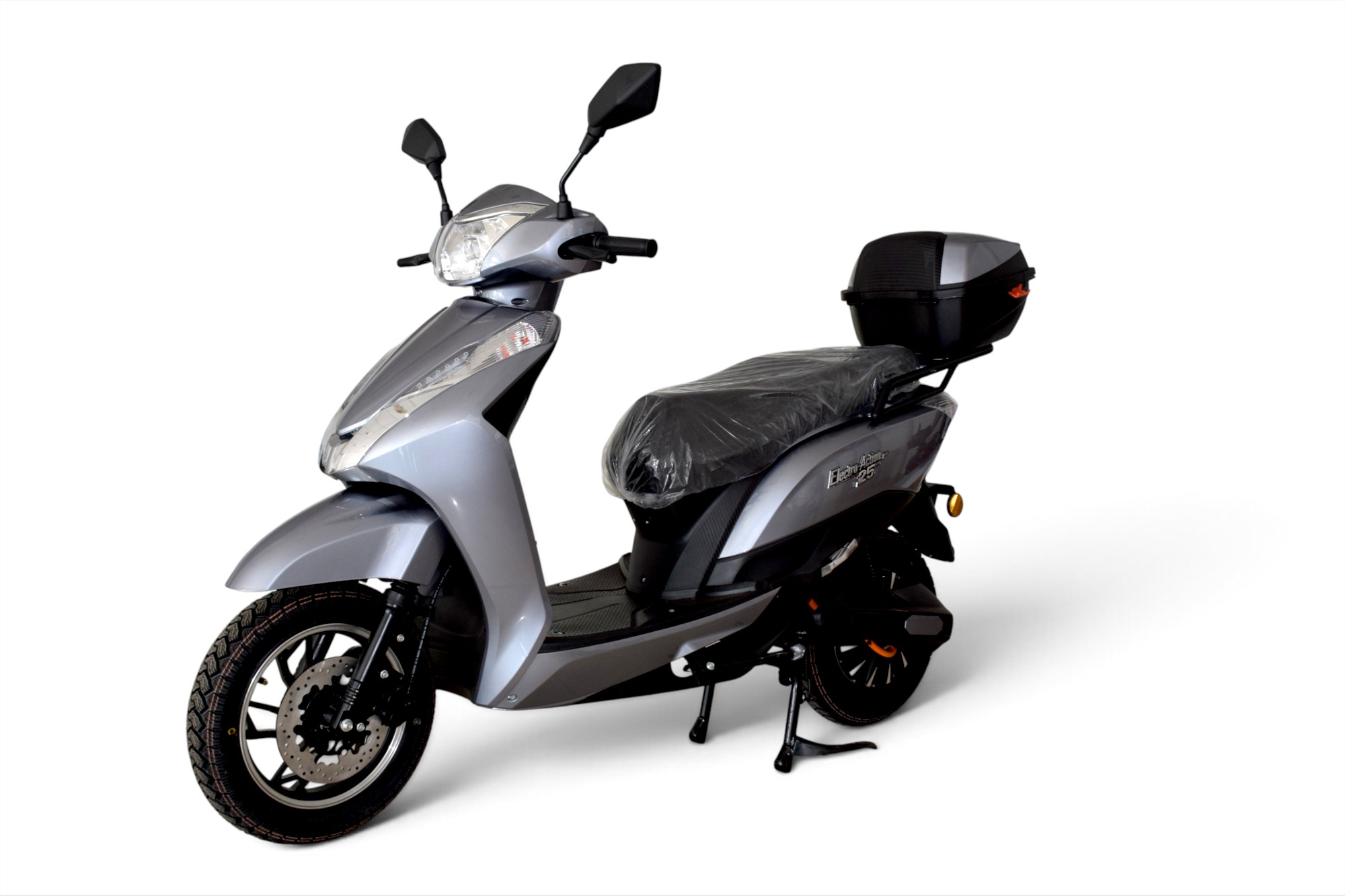
EMW Sport 701 pro Geen rijbewijs max snelheid 25 km/u Enkele 26Ah batterij
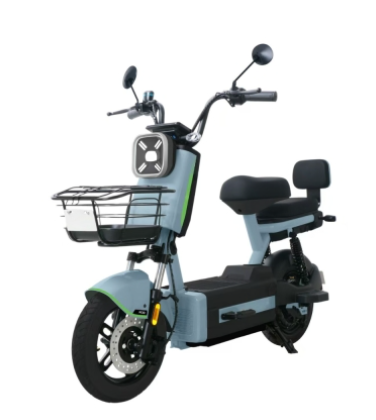
Sweety - Elektrische Scooter zonder rijbewijs maximale snelheid 25 km/u